
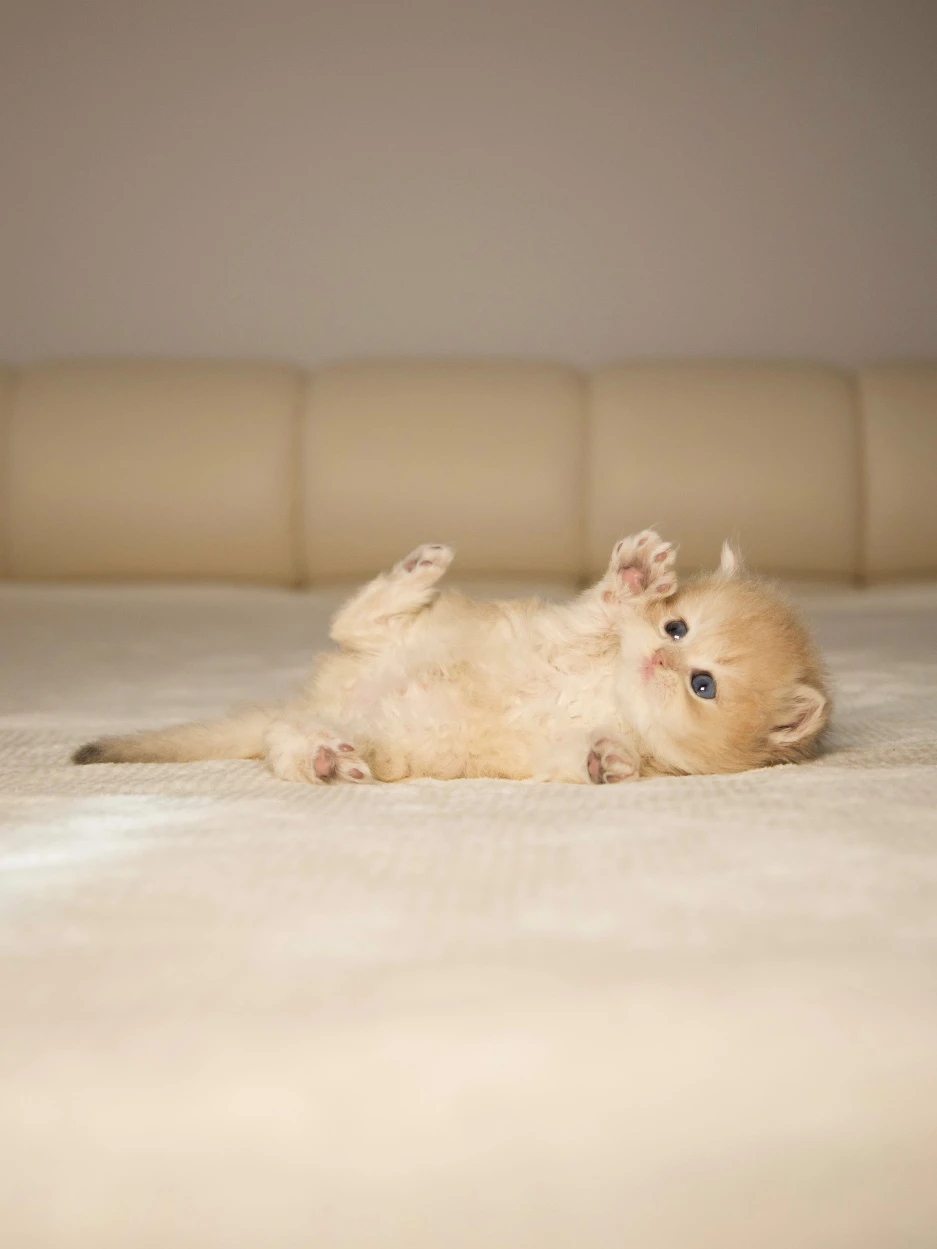
Choosing between a British Shorthair and a British Longhair cat depends on your lifestyle and preferences for grooming, temperament, and home environment. Both breeds share similar traits but differ in ways that affect how they fit into your daily life. This guide breaks down the key considerations to help you decide which breed is right for you, ensuring you select a cat that matches your needs from a British Shorthair cattery Toronto.
Grooming Needs and Maintenance
British Shorthairs have a short, dense coat that requires minimal grooming, making them ideal if you prefer low-maintenance care. Brush their coat once or twice a week for about 10 minutes using a soft-bristle brush to remove loose hair and prevent matting. This keeps their coat smooth and reduces shedding, especially during spring and fall. For example, a quick brushing session while watching TV can keep their coat in top shape without much effort. If your schedule is busy or you’re new to cat ownership, this breed’s easy grooming routine fits well.
British Longhairs, however, have a longer, plush coat that needs more attention. You’ll need to brush them three to four times a week for 15-20 minutes to prevent tangles and hairballs. Use a metal comb to gently work through their fur, starting at the roots and moving outward. If neglected, their coat can mat, requiring professional grooming, which costs $50-$100 per session. This breed suits you if you enjoy grooming or have extra time to dedicate to it. Regular brushing also strengthens your bond with the cat, as they often enjoy the attention.
Temperament and Interaction Style
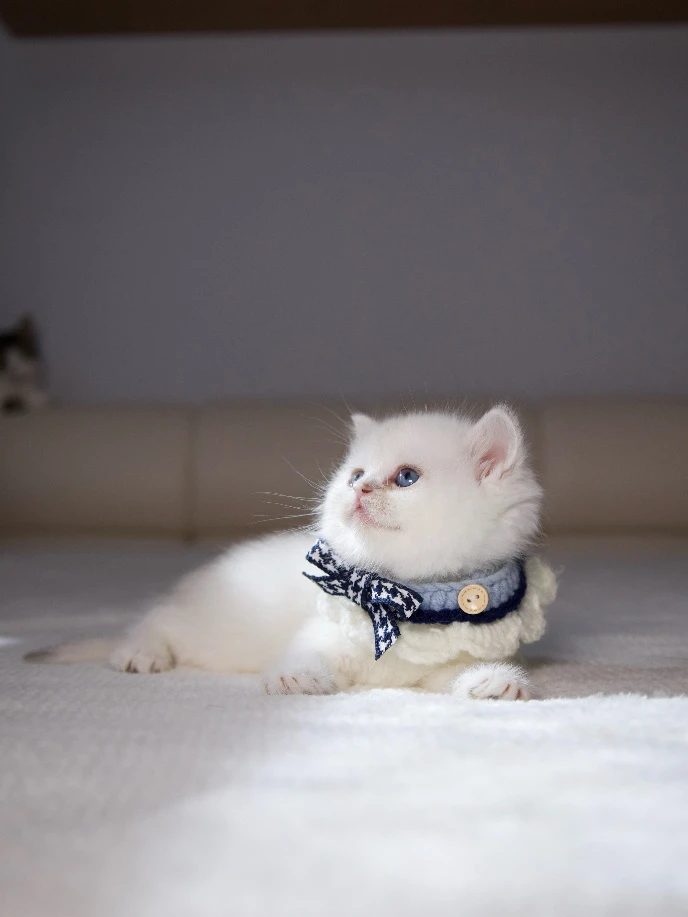
Both breeds are known for their calm, gentle personalities, but their interaction styles vary slightly. British Shorthairs are independent and content with minimal attention, making them perfect if you want a cat that’s affectionate but not clingy. They enjoy short play sessions, about 10 minutes daily, with toys like feather wands or balls, and then happily nap or lounge nearby. For instance, they might sit on a windowsill while you work, offering quiet companionship. This makes them great for busy households or those with limited time for constant pet interaction.
British Longhairs are slightly more social and may seek more engagement. They still enjoy relaxed activities but often bond closely with their owners, following you around or sitting closer during downtime. They might need 15-20 minutes of play daily to stay content. If you have kids or other pets, Longhairs adapt well, as they’re patient and friendly when socialized properly. For example, they’ll tolerate gentle petting from children better than some breeds. Choose this breed if you want a cat that’s a bit more involved in family activities.
Health and Lifespan Considerations
Both breeds are generally healthy, with lifespans of 12-17 years, but they have specific health needs. British Shorthairs are prone to obesity due to their sturdy build, so you’ll need to monitor their diet. Feed them high-quality cat food, about 1/3 to 1/2 cup of dry kibble twice daily, adjusted for their weight. Regular vet checkups, costing around $150 annually, catch issues like hypertrophic cardiomyopathy (HCM), a heart condition common in the breed. Keeping their weight in check reduces health risks and vet bills.
British Longhairs share similar health concerns but also need extra care for their longer coats, which can trap debris and lead to skin issues if not groomed regularly. Their fluffy fur may hide fleas or ticks, so check their skin during brushing. Both breeds benefit from dental care, like daily toothbrushing with cat-safe toothpaste, to prevent gingivitis. If you’re prepared to invest in regular health checks and grooming, either breed is a good fit, but Longhairs require a bit more vigilance.
Home Environment and Space Requirements
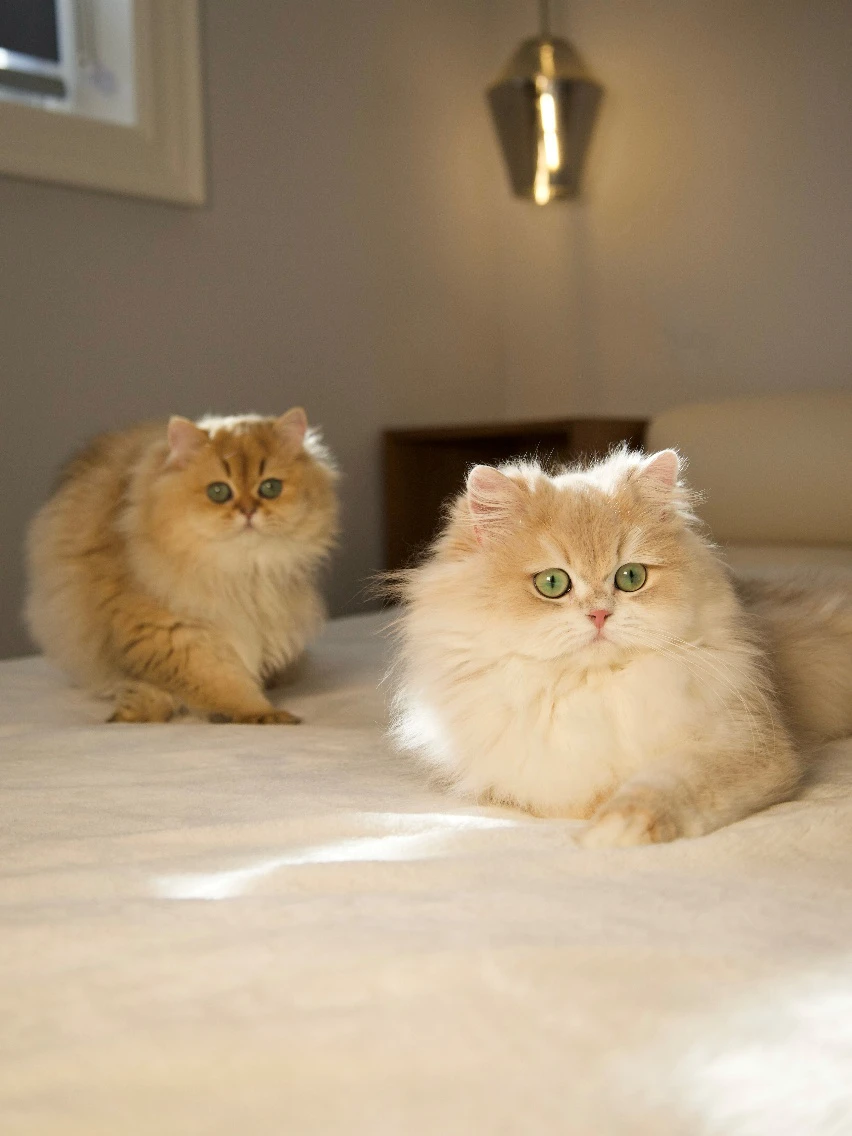
Your living space influences which breed suits you. British Shorthairs adapt well to small spaces, like apartments, since they’re less active and don’t need much room to roam. A scratching post and a few toys are enough to keep them happy. For example, a small cat tree near a window provides a cozy spot for them to relax. They’re also quiet, rarely vocalizing, which is great if you have close neighbors or a small home.
British Longhairs also adapt to various spaces but benefit from slightly larger areas where their longer fur won’t collect as much dust or debris. They enjoy lounging in open spaces and may need a bigger scratching post to accommodate their fluffier build. If your home is dusty or you have heavy shedding seasons, you’ll need to vacuum more often with a Longhair. Both breeds are indoor cats, but Longhairs may enjoy a secure outdoor enclosure if you have space. Consider your home’s size and cleaning routine when choosing.
Pick the Perfect Cat for Your Lifestyle
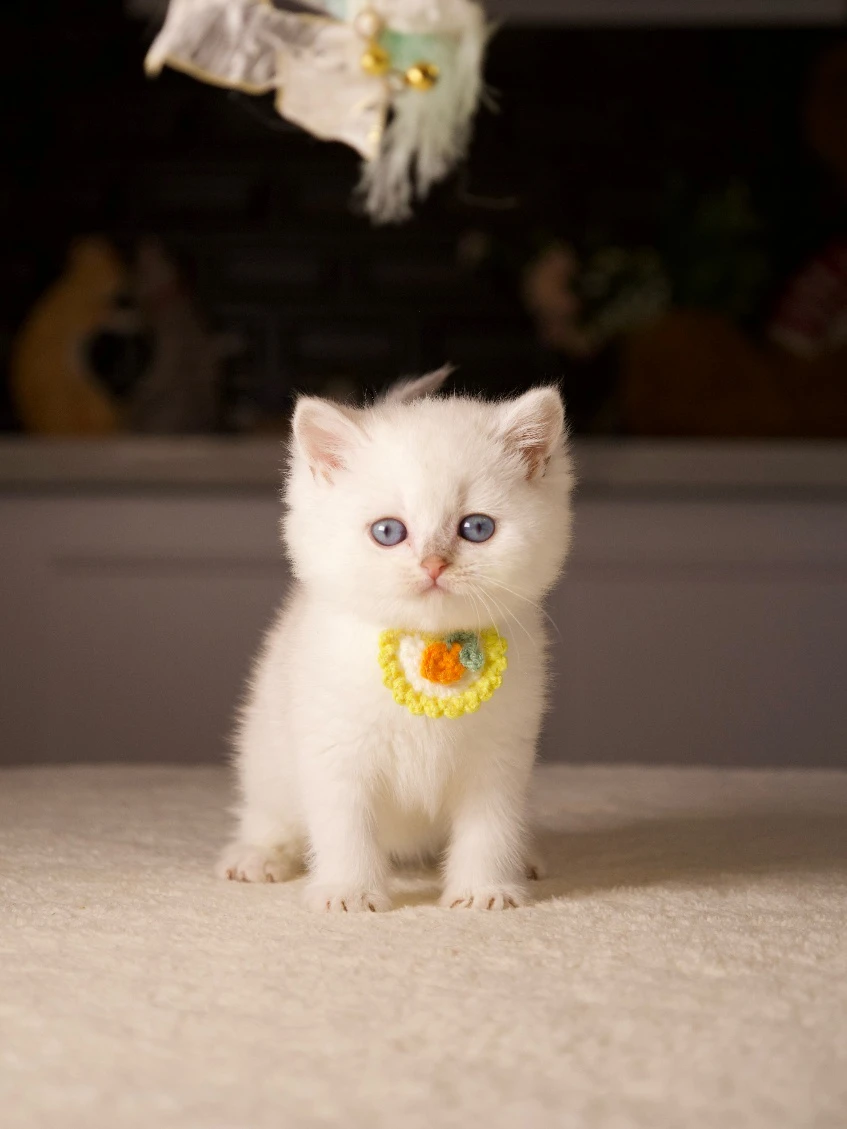
British Shorthairs and Longhairs both offer calm, affectionate personalities, but your choice depends on your time, space, and budget. Shorthairs suit low-maintenance lifestyles, while Longhairs fit those who enjoy grooming and closer interaction. Ready to buy a kitten from a British Shorthair cattery? Visit CatKing Cattery online to find your British Longhair cat breeder in Canada or British Shorthair kitten for sale in Canada today!
Contact them to find out more!