
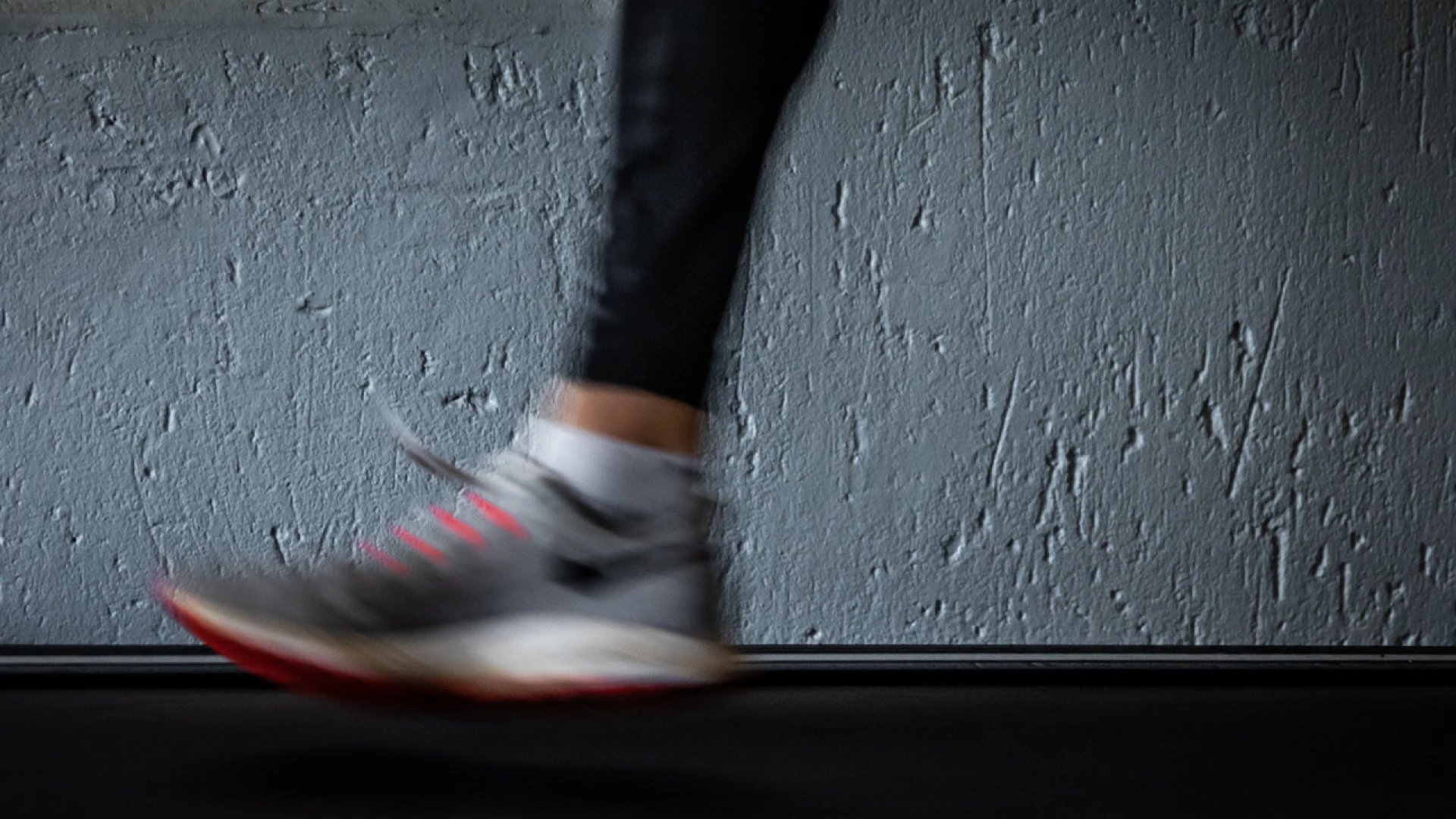
Selecting the right running machine can be a complex decision, especially when balancing features, durability, and cost. With numerous models available, understanding how budget influences quality and functionality is essential for making an informed choice. This guide explores the factors to consider when choosing a treadmill, focusing on how price intersects with performance and personal needs.
For many, the financial investment is a primary concern. Running machines vary widely in cost, and while higher prices often indicate more features or better build quality, understanding which elements matter most can prevent overspending. A strategic approach ensures that the machine suits both your fitness goals and financial plan.
By examining core specifications, long-term maintenance considerations, and usage patterns, you can make a decision that balances practicality and value. This article offers a structured framework for evaluating options based on your budget, helping you navigate the market with clarity.
Understanding Price Categories
The running machine price typically falls into three broad ranges: entry-level, mid-range, and premium. Each category corresponds not only to features but also to construction quality and durability.
Entry-Level Machines
These models are often more compact and basic, designed for light, occasional use. They usually have lower maximum speeds, simpler consoles, and limited incline options. While they can be suitable for beginners or those with minimal space, the lifespan of such machines may be shorter, particularly under frequent use.
Mid-Range Machines
Mid-range treadmills tend to offer a balance between cost and performance. They often feature sturdier frames, more advanced digital displays, and better shock absorption systems. For regular users, this category represents a practical investment, offering durability without the premium price tag.
Premium Machines
High-end models focus on advanced technology, extended warranties, and robust construction. Features may include interactive displays, heart rate monitoring, automated incline adjustments, and enhanced cushioning. These machines are intended for heavy use or professional settings, where performance and longevity justify a higher expenditure.
Key Features to Consider
When evaluating options, certain specifications are directly influenced by price and significantly affect usability.
Motor Power and Durability
A treadmill’s motor is the core of its performance. Entry-level machines often have motors around 1.5–2.0 HP, sufficient for walking or light jogging. Mid-range models generally feature 2.5–3.0 HP motors, supporting running at moderate speeds. Premium models can exceed 4.0 HP, accommodating intense workouts and multiple users. Understanding your usage pattern helps determine the motor capacity you truly need.
Running Surface and Cushioning
The size and cushioning of the running belt affect comfort and joint safety. Shorter or narrower surfaces may suffice for casual walking but can limit stride length for serious runners. More expensive machines tend to include advanced shock absorption, reducing impact on knees and ankles during extended runs.
Console and Connectivity
Digital features vary widely. Basic treadmills provide speed, time, distance, and calorie tracking. Mid-range models may include pre-set programs, incline control, and basic connectivity options. High-end machines often offer integrated apps, touchscreen displays, and virtual running experiences. While attractive, these features should be evaluated in terms of personal relevance, as they can drive up the cost without adding essential functionality.
Space and Portability
Budget also dictates size and folding options. Compact machines are cost-effective and suitable for small living spaces, while larger, more stable models provide a professional running experience. Consider where the treadmill will be placed, and whether portability or footprint impacts your choice.
Long-Term Considerations
Beyond initial purchase price, long-term costs influence overall value. Maintenance, replacement parts, and energy consumption can vary based on the model’s quality.
Maintenance Requirements
Entry-level machines may require more frequent servicing due to wear on belts or motors. Higher-end models typically feature components designed for longevity, minimizing downtime and repair costs.
Warranty and Support
Extended warranties can offset potential repair expenses, and reputable brands often provide better customer support. Evaluating warranty terms is critical when comparing machines across different price points.
Resale and Longevity
Durable models retain value longer, which can be a factor if resale or upgrades are anticipated. Machines with reinforced frames, high-capacity motors, and quality electronics generally outperform cheaper alternatives over time.
Balancing Features with Budget
Deciding on a running machine requires weighing personal priorities against available resources. A useful approach is to categorize features as essential, desirable, or optional.
- Essential: Motor power suitable for your intended use, safe running surface, and reliable frame construction.
- Desirable: Digital tracking, connectivity, incline settings, or cushioned belts.
- Optional: Interactive programs, virtual training experiences, or advanced app integration.
This framework helps prevent overspending on features that may not significantly enhance your experience. Comparing models within the desired price range allows you to focus on long-term usability rather than short-term appeal.
Conclusion
Selecting a treadmill is not merely about finding the lowest or highest price. Understanding the relationship between features, build quality, and long-term usability ensures a choice that aligns with both budget and fitness objectives. By considering motor capacity, cushioning, console features, maintenance requirements, and space constraints, users can make informed decisions. Approaching the process systematically allows for an investment that supports sustainable exercise habits rather than temporary convenience.
FAQs
What is the ideal motor power for home use?
For casual walking or light jogging, a motor of 1.5–2.0 HP is sufficient. Regular running or multiple users generally requires 2.5–3.0 HP.
How important is cushioning in a treadmill?
Cushioning reduces impact on joints and enhances comfort, especially during longer runs. Higher-end models typically provide superior shock absorption.
Can I rely on compact, budget-friendly machines?
Yes, for light or occasional use. However, frequent running may shorten the lifespan of entry-level machines compared to sturdier, mid-range models.
Are digital features worth the extra cost?
This depends on your priorities. While advanced tracking and virtual training can enhance motivation, they are optional for basic fitness goals.
How can I estimate long-term costs beyond the purchase price?
Consider maintenance frequency, replacement parts, warranty coverage, and energy consumption. These factors collectively determine the treadmill’s overall value over time.