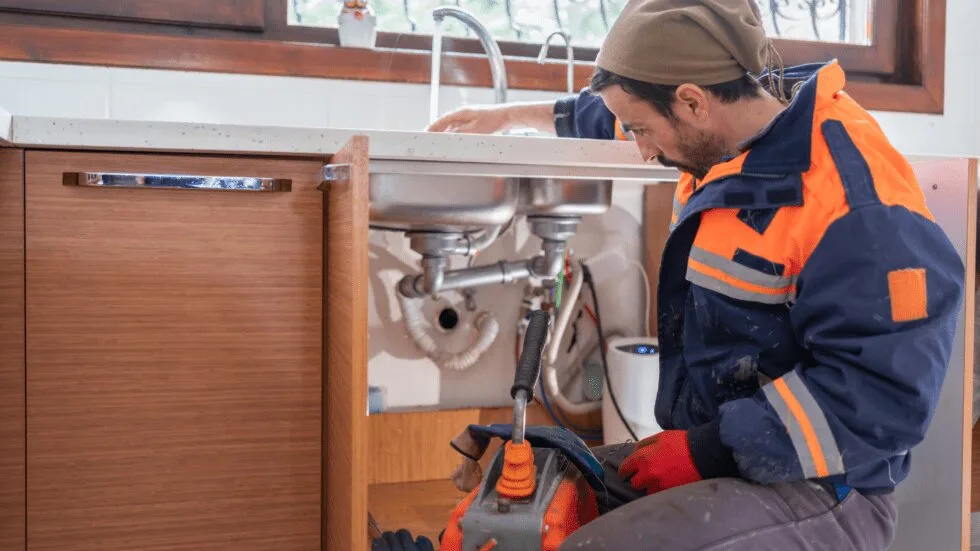
A serious drain problem can happen when you least expect it. A sink may suddenly stop draining, wastewater may come back through a floor drain, or several fixtures may become blocked at the same time. When this happens, homeowners need a solution quickly. Waiting too long can increase the risk of water damage, unpleasant odors, and additional plumbing problems.
Choosing the right drain cleaning company during an emergency is important. Not every company offers the same level of experience, response time, equipment, or customer service. Taking a few minutes to evaluate your options can help you make a better decision, even when the situation is stressful.
For homeowners dealing with a serious backup or blockage, an Emergency Drain Cleaning Dallas professional can help identify the cause and restore proper drainage.
What Is Emergency Drain Cleaning?
Emergency drain cleaning is professional service for serious or sudden drainage problems that cannot wait for normal maintenance.
A minor slow drain may not require immediate assistance. However, a severe blockage can quickly become a larger problem.
Emergency drain problems may include:
- Complete drain blockages
- Multiple clogged drains
- Sewage backups
- Overflowing floor drains
- Repeated toilet backups
- Water coming back through fixtures
- Strong sewage odors
- Suspected main sewer line blockages
The goal of emergency drain cleaning is not simply to make water move again. A reliable professional should also try to determine why the blockage happened.
Why Choosing the Right Company Matters
When water or wastewater is backing up into your home, you may feel pressure to hire the first company you find. However, choosing an inexperienced or unreliable provider could lead to additional problems.
A qualified company should have the appropriate knowledge and equipment to diagnose and address different types of drain problems.
A good emergency drain cleaning company should offer:
- Fast response
- Experienced technicians
- Appropriate drain-cleaning equipment
- Clear communication
- Professional service
- Upfront information about the work
- Proper diagnosis of the problem
- Safe cleaning methods
The goal should be to solve the immediate issue while also identifying possible causes of recurring problems.
1. Look for Emergency Availability
The first thing to check is whether the company actually handles emergency drain problems.
Some plumbing companies only provide service during standard business hours. Others offer emergency assistance outside normal hours.
If wastewater is entering your home or multiple drains have stopped working, waiting until the next business day may not be practical.
Before hiring a company, ask:
- Do you provide emergency drain cleaning?
- What hours are technicians available?
- How quickly can someone respond?
- Do you handle weekend or after-hours calls?
A company that clearly explains its emergency availability can make the situation easier to manage.
2. Check the Company's Experience
Experience matters when dealing with complicated drainage problems.
A basic clog may be easy to remove, but severe backups can have different causes. The blockage could be inside a fixture, deeper in the drain line, or connected to the main sewer system.
An experienced technician may be better prepared to identify problems involving:
- Grease buildup
- Hair and debris
- Tree roots
- Foreign objects
- Heavy sediment
- Damaged pipes
- Main sewer line blockages
Ask how long the company has been providing drain or plumbing services and whether its technicians have experience with emergency situations.
3. Make Sure They Have the Right Equipment
Professional drain cleaning often requires specialized equipment.
Depending on the problem, a technician may use:
Drain Snakes
A drain snake can help break through or remove certain blockages.
Hydro Jetting Equipment
Hydro jetting uses high-pressure water to clean suitable pipes and remove certain types of buildup.
Video Inspection Cameras
A camera can help professionals see inside drainage pipes and identify potential problems.
Camera inspections may reveal:
- Tree roots
- Cracks
- Heavy buildup
- Foreign objects
- Broken sections
- Pipe separation
Not every drain problem requires every type of equipment. A reliable company should choose equipment based on the actual condition of the plumbing.
4. Read Reviews and Customer Feedback
Online reviews can provide useful information about a company's customer service and reliability.
Look for patterns rather than focusing on one review.
Pay attention to comments about:
- Response times
- Technician professionalism
- Communication
- Quality of work
- Pricing
- Cleanliness
- Whether problems were resolved
A few negative reviews do not automatically mean a company is unreliable. However, repeated complaints about the same issue may be worth considering.
5. Ask About Pricing Before Work Begins
Emergency plumbing can sometimes involve unexpected costs. A reliable company should explain its pricing as clearly as possible before beginning major work.
Ask:
- Is there an emergency service fee?
- Is there a diagnostic charge?
- How is the cleaning service priced?
- Are additional repairs charged separately?
- Will I be notified before extra work is performed?
Clear communication about costs can help prevent unpleasant surprises.
Be cautious of extremely low prices that seem unrealistic. A very low initial price may not include important services or additional work that becomes necessary later.
6. Ask What Is Causing the Problem
A good drain cleaning company should not only focus on clearing the immediate blockage.
Ask the technician what they believe caused the problem.
Possible causes may include:
- Grease
- Hair
- Soap buildup
- Tree roots
- Pipe damage
- Foreign objects
- Mineral deposits
- Main line blockage
Understanding the cause can help you prevent similar problems in the future.
For example, if grease buildup is responsible for repeated kitchen drain problems, changing disposal habits may help reduce future blockages.
7. Look for Professional Communication
Communication is especially important during an emergency.
A reliable company should be willing to explain:
- What may be causing the problem
- What needs to be inspected
- What cleaning method may be used
- How long the process may take
- What the estimated cost is
- Whether additional repairs may be needed
You should feel comfortable asking questions.
If a company refuses to explain the work or pressures you into unnecessary services, consider looking for another provider when possible.
8. Ask Whether They Inspect the Drain After Cleaning
Simply getting water flowing again does not always mean the underlying problem is gone.
For recurring or severe blockages, ask whether the company checks the drain after cleaning.
An inspection may help determine whether:
- The blockage was completely removed
- Heavy buildup remains
- Roots are present
- The pipe is damaged
- Another blockage may develop
For some situations, a camera inspection can provide useful information about the condition of the pipe.
9. Consider Their Local Experience
A company familiar with the local area may understand common plumbing and drainage challenges affecting homes in that region.
Dallas homeowners may encounter drainage issues related to weather, soil conditions, aging plumbing, landscaping, and other property-specific factors.
Local experience can be helpful when diagnosing recurring drainage problems.
When comparing companies, consider whether they regularly serve residential properties in your area.
10. Check for Proper Credentials and Insurance
Before allowing a company to perform significant plumbing work, homeowners should verify that the business has appropriate credentials for the services it provides.
Depending on the type of work, licensing requirements may apply.
You can ask the company about:
- Applicable licenses
- Insurance coverage
- Technician qualifications
- Experience with the requested service
This can provide additional confidence that the company takes professional standards seriously.
Signs You May Need Emergency Drain Cleaning
Not every slow drain requires emergency service. However, certain warning signs should receive prompt attention.
Multiple Drains Are Blocked
If several fixtures are affected at the same time, there may be a larger blockage.
Wastewater Is Backing Up
Wastewater entering sinks, tubs, showers, or floor drains is a serious warning sign.
The Toilet Keeps Overflowing
Repeated toilet overflow can indicate a blockage deeper in the drainage system.
There Is a Strong Sewage Odor
Persistent sewage smells can indicate a drainage or sewer problem.
Water Is Spreading Across the Floor
Standing wastewater can damage flooring and other materials.
The Problem Returns Quickly
If a drain becomes blocked again soon after cleaning, the underlying cause may not have been addressed.
What to Do Before the Drain Cleaning Company Arrives
While waiting for professional help, homeowners can take several precautions.
Stop Using Water
Avoid showers, washing machines, dishwashers, and unnecessary faucet use.
Keep People Away From Contaminated Water
If wastewater has entered the home, keep children and pets away from the affected area.
Do Not Keep Flushing a Blocked Toilet
Repeated flushing can add more water to an already blocked drainage system.
Avoid Chemical Drain Cleaners
Chemical products may not solve deep blockages and can create additional hazards.
Protect Important Belongings
If it is safe, move furniture, electronics, documents, and other valuables away from standing water.
Document the Damage
Take photos of affected areas if doing so does not put you at risk.
Questions to Ask Before Hiring an Emergency Drain Cleaning Company
Having a short list of questions can make the decision easier.
Ask the company:
- Do you provide emergency drain cleaning?
- How soon can a technician arrive?
- What experience do you have with severe drain backups?
- What equipment do you use?
- Do you offer video drain inspections?
- Do you provide estimates before beginning major work?
- Are there additional emergency or after-hours fees?
- Will you explain the cause of the blockage?
- Do you clean up the work area after service?
- Are your technicians properly qualified?
A professional company should be comfortable answering reasonable questions about its services.
How to Avoid Future Drain Emergencies
Once your drain problem has been fixed, prevention can help reduce the chance of another emergency.
Avoid Putting Grease Down Drains
Grease can harden inside pipes and collect other debris.
Use Drain Screens
Screens can help keep hair, food particles, and other debris out of your plumbing.
Be Careful With Flushable Products
Even products marketed as flushable may contribute to plumbing problems when used improperly or in large quantities.
Schedule Maintenance When Needed
Homes with recurring drainage problems may benefit from periodic professional inspection and cleaning.
Do Not Ignore Slow Drains
A slow drain may be an early warning sign of a larger blockage.
Emergency Drain Cleaning vs. Regular Drain Maintenance
Emergency cleaning and routine maintenance serve different purposes.
Emergency drain cleaning is used when a serious problem needs immediate attention.
Regular drain maintenance focuses on keeping the drainage system functioning properly and addressing buildup before it becomes a major blockage.
Regular maintenance may include:
- Drain cleaning
- Inspection
- Removing buildup
- Checking for recurring problems
- Identifying potential pipe issues
Homeowners who experience frequent clogs may benefit from discussing a maintenance plan with a qualified plumbing professional.
Final Thoughts
Choosing a reliable emergency drain cleaning company can make a stressful plumbing situation much easier to manage. When a severe blockage or backup occurs, look for a company with emergency availability, experienced technicians, appropriate equipment, clear pricing, good customer feedback, and professional communication.
Do not focus only on how quickly a company can clear the clog. A reliable professional should also look for the reason behind the problem, especially when backups or blockages happen repeatedly.
Before hiring a company, ask questions about experience, equipment, pricing, response time, and the proposed solution. While waiting for help, stop unnecessary water use, keep people away from contaminated water, and avoid risky DIY methods.