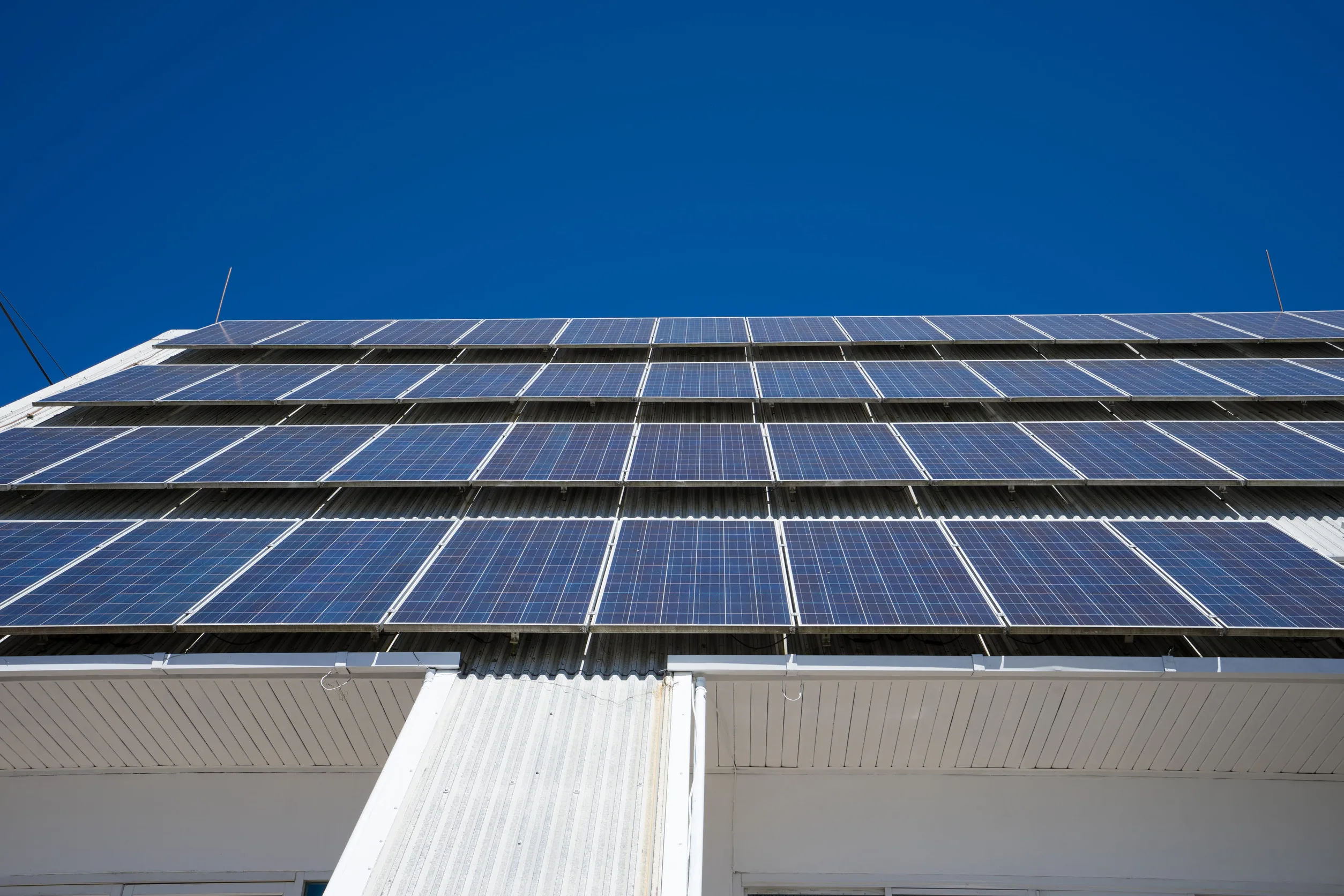
Any home solar system includes a solar inverter, the component that converts sunlight into usable electricity. Solar panels generate electricity as direct current (DC). Most household appliances run on alternating current, or AC. The inverter does this job and helps the solar installation supply the electricity for daily use.
If you need single-phase power conversion, buying a Fronius single-phase inverter is a good idea. When choosing a model, homeowners and installers should consider system size, electrical needs, and expected energy output.
How a Single-Phase Solar Inverter Works
Solar panels produce power when the sun is shining, but output varies throughout the day. The panels produce DC, which a single-phase inverter then converts to AC electricity for use by the appropriate household circuits or export to the grid, depending on the installation.
The Fronius single-phase inverter offers a range of options for residential use. The best model depends on the solar array, local electrical requirements, and the property's energy needs.
This matters because the inverter must operate within its specified limits. Before selecting a panel, installers must check the panel specifications, input voltage, current limits, and grid connection requirements.
Understanding MPPT Technology
MPPT, or Maximum Power Point Tracking, lets an inverter maximize the power it can harvest from solar panels as sunlight and operating conditions change.
PowerStore cited the Fronius Primo, which has two MPPT inputs. This can provide design flexibility for a solar array with separate groups of panels, such as panels mounted on different roof orientations. The actual configuration still has to meet the manufacturer's requirements for voltage, current, and string design.
If the roof has a varied layout, it helps to see the panel layout design to know whether a certain inverter is a good fit.
Is a Fronius Single Phase Hybrid Inverter the Same?
Not really. A typical grid-tied solar inverter converts solar electricity for home use or exports it to the grid. A hybrid inverter is designed to allow for battery backup in a compatible system.
If a homeowner is looking for a Fronius single-phase hybrid inverter, don’t assume all single-phase Fronius models are directly battery compatible. Depending on the product and system configuration, it may or may not support battery backup.
Before buying equipment, anyone planning to add storage should confirm the exact model’s capabilities.
Monitoring and Performance in the Long Term
Monitoring tools let homeowners check solar production and spot unexpected changes. Depending on the monitoring setup and model installed, users may be able to access energy data and system information remotely.
Regular monitoring, proper maintenance, and professional installation will go a long way to ensure the system continues to function as it should. Installers are also required to follow the local electrical codes and the installation instructions of the manufacturer.
Choosing the Right Fronius Inverter
The right inverter must be sized for the solar array, the electrical service, the roof layout, and long-term energy plans. Reviewing these factors before installation will help avoid compatibility problems and unnecessary equipment changes.
If you’re considering a single-phase Fronius inverter, check the specs for the specific model and talk to a qualified solar installer to make sure it’s compatible with your intended residential solar system.