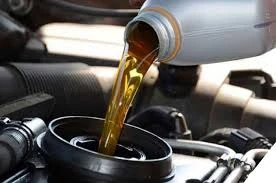
Lubricant additives are essential components in modern lubricants, enhancing performance, extending equipment life, and protecting against wear, corrosion, and thermal degradation. But how do you ensure the additives you're using - or the lubricant formulation as a whole - meets the desired quality standards?
Here’s a practical guide on how to check the quality of lubricant additives effectively.
1. Understand the Purpose of the Additive
Before assessing quality, you need to know what the additive is supposed to do. Common categories include:
- Anti-wear agents
- Detergents and dispersants
- Corrosion inhibitors
- Viscosity index improvers
- Friction modifiers
- Oxidation inhibitors
- Pour point depressants
Each serves a specific function, and the tests for quality will vary accordingly.
2. Review Technical Data Sheets (TDS) and Certificates of Analysis (COA)
Manufacturers typically provide a TDS and COA with every additive batch. These documents include:
- Chemical composition
- Active ingredient percentage
- Viscosity and density
- Performance characteristics
- Storage and handling guidelines
What to check: Compare values in the COA with the TDS to ensure consistency. Significant deviations may indicate quality issues or degradation.
3. Conduct Laboratory Testing
For more precise quality verification, consider laboratory testing using standard methods such as:
a. Four-Ball Wear Test (ASTM D4172)
Assesses anti-wear performance under high pressure.
b. Thermal Stability and Oxidation Resistance (ASTM D943, D2893)
Important for additives intended to resist oxidation and high temperatures.
c. Total Base Number (TBN) / Total Acid Number (TAN)
Used to evaluate detergents and dispersants.
d. Viscosity Testing (ASTM D445)
Ensures that the additive maintains or improves lubricant viscosity as intended.
e. ICP (Inductively Coupled Plasma) Analysis
Identifies and quantifies metallic elements such as calcium, zinc, or phosphorus.
4. Check Compatibility with Base Oils
A high-quality additive must be compatible with the intended base oil. Testing includes:
- Solubility and stability analysis
- Long-term storage stability
- Emulsion formation (in water-based systems)
Poor compatibility can lead to additive dropout, foaming, or sludge formation.
5. Field Testing and Real-World Performance
Lab tests are crucial, but real-world validation is equally important. Look for:
- Reduced wear and friction in machinery
- Cleaner engine components
- Longer oil drain intervals
- Lower operating temperatures
Work with field data, user feedback, and historical performance to assess how the additive performs over time.
6. Evaluate the Supplier’s Reputation and Certifications
Partnering with reputable suppliers ensures consistent additive quality. Look for:
- ISO certifications (e.g., ISO 9001)
- Compliance with REACH, ROHS, or other regional regulations
- Strong R&D support and technical service
Ask about their quality assurance protocols and how they handle product traceability.
Conclusion
Checking the quality of lubricant additives is a multi-step process that combines document analysis, lab testing, field evaluation, and supplier vetting. By applying these strategies, you can ensure optimal lubricant performance, protect your machinery, and avoid costly failures.