
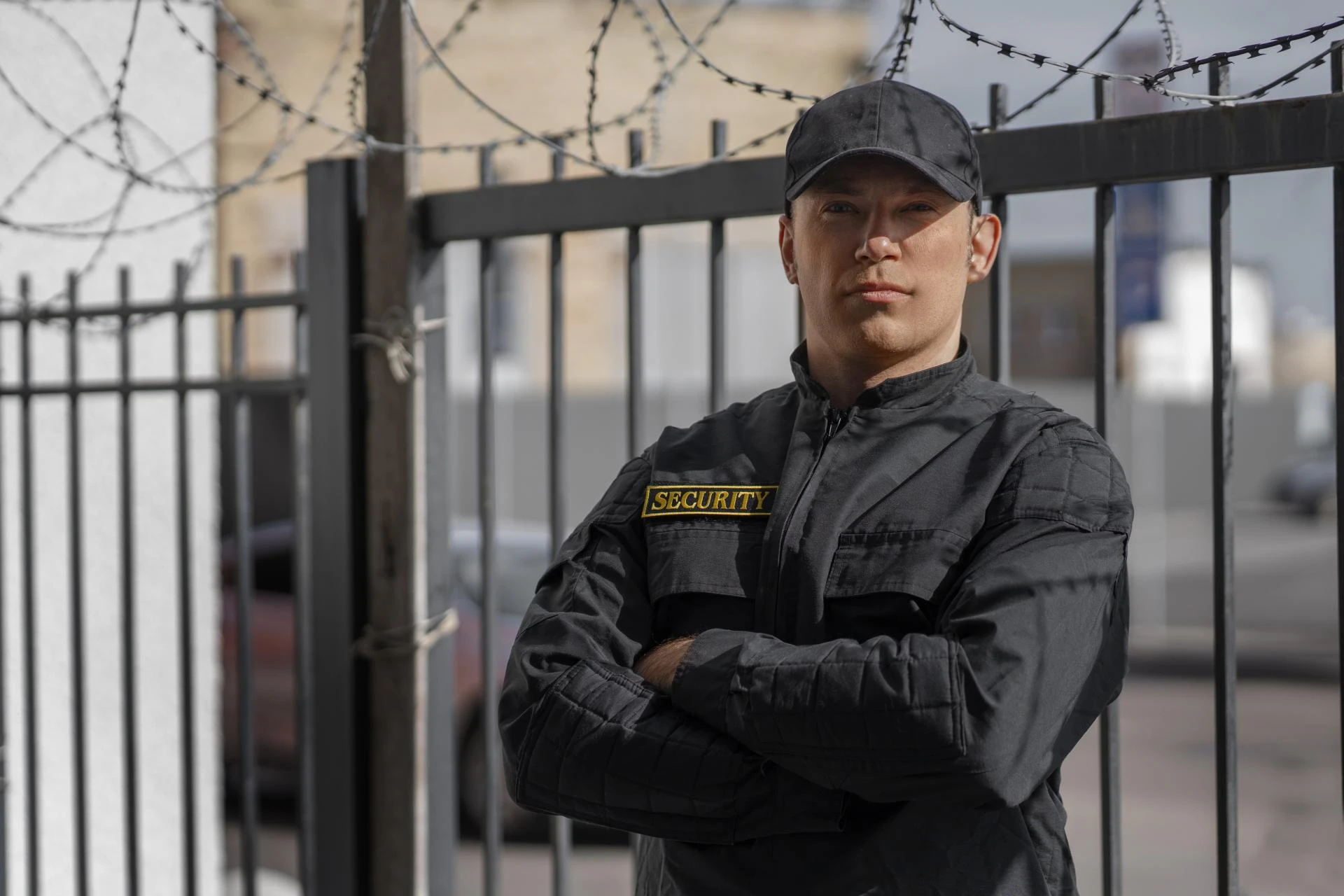
If you’re managing or overseeing a shopping centre, you know that security isn’t just “having a guard on duty.” It’s about designing a strategy that matches your property’s size, layout, tenant mix and risk profile. The team at Alpine Protection Services offers insights into building a strong mall security framework. Alpine Protection Services
Step 1: Assess Your Mall’s Unique Risk Profile
Ask questions like:
- Which zones see highest foot-traffic (entrances, food court, event spaces)?
- What are the high-risk times (late evening, seasonal sales, holiday events)?
- What external risk factors exist (parking lots, delivery zones, nighttime loitering)?
- What past incidents have occurred (shoplifting, vandalism, unauthorized staff access)?
- Understanding the scenario helps tailor your guard coverage, patrol routes and monitoring needs.
Step 2: Define Guard Roles & Coverage Zones
Using Alpine’s service model as inspiration: Alpine Protection Services
- Visible uniformed patrols in main public areas to maintain presence and assist shoppers.
- Plain‐clothes officers for discreet surveillance and theft-prevention.
- Parking lot and perimeter patrols to cover access/egress points, vehicle theft, and external risks.
- Access control roles for staff zones, delivery entrances, service corridors.
- Event or peak time reinforcement when foot-traffic surges (sales, launches, holiday seasons).
Step 3: Technology & Integration
While guards are crucial, combining them with tech amplifies effectiveness. Consider:
- CCTV with live monitoring to support guards and capture incidents.
- Mobile patrol tracking, guard check-ins, incident logging.
- Communication protocols between guards, mall management, tenants and emergency services.
- Routine data review of foot traffic, incident reports, tenant feedback to spot patterns.
Step 4: Training & Customer-Centric Security
A mall environment requires security that also serves:
- Guards should be trained in de-escalation, customer service and emergency response—not just basic patrol.
- They should assist with shopper enquiries, directions, first-aid if needed, making security part of the experience.
- Collaboration with tenants: understanding their needs (e.g., store hours, special promotions, deliveries) improves responsiveness.
Step 5: Ongoing Review & Adaptation
Security isn’t set-and-forget. Regular review ensures coverage matches changing conditions:
- Assess incident logs weekly/monthly: where are hotspots?
- Adjust patrol plans after major events or layout changes.
- Conduct drills for emergency evacuation or incident response.
- Seek tenant and shopper feedback: do customers feel safe? Are guards visible and helpful?
- Re-budget guard coverage during off-peak vs peak times for cost-effectiveness.
Conclusion
Building a strong mall security strategy requires a blend of planning, role definition, technology and training. With a dynamic environment like a shopping mall, today’s guard isn’t just a security presence — they’re part of the customer experience and risk management framework. If you partner with a firm like Alpine, you get expertise across these areas and a foundation for a safer, more secure, and more welcoming retail property.