
Introduction
Have you ever noticed multiple pages from your website competing for the same keyword on Google? If yes, you’re probably dealing with keyword cannibalization — a common issue that can harm your SEO performance. It happens when several pages on your website target the same or similar keywords, leaving search engines confused about which page to rank higher.
In this article, we’ll explain what is keyword cannibalization, its main causes, real-life examples, and how to fix keyword cannibalization using internal links and other SEO strategies.
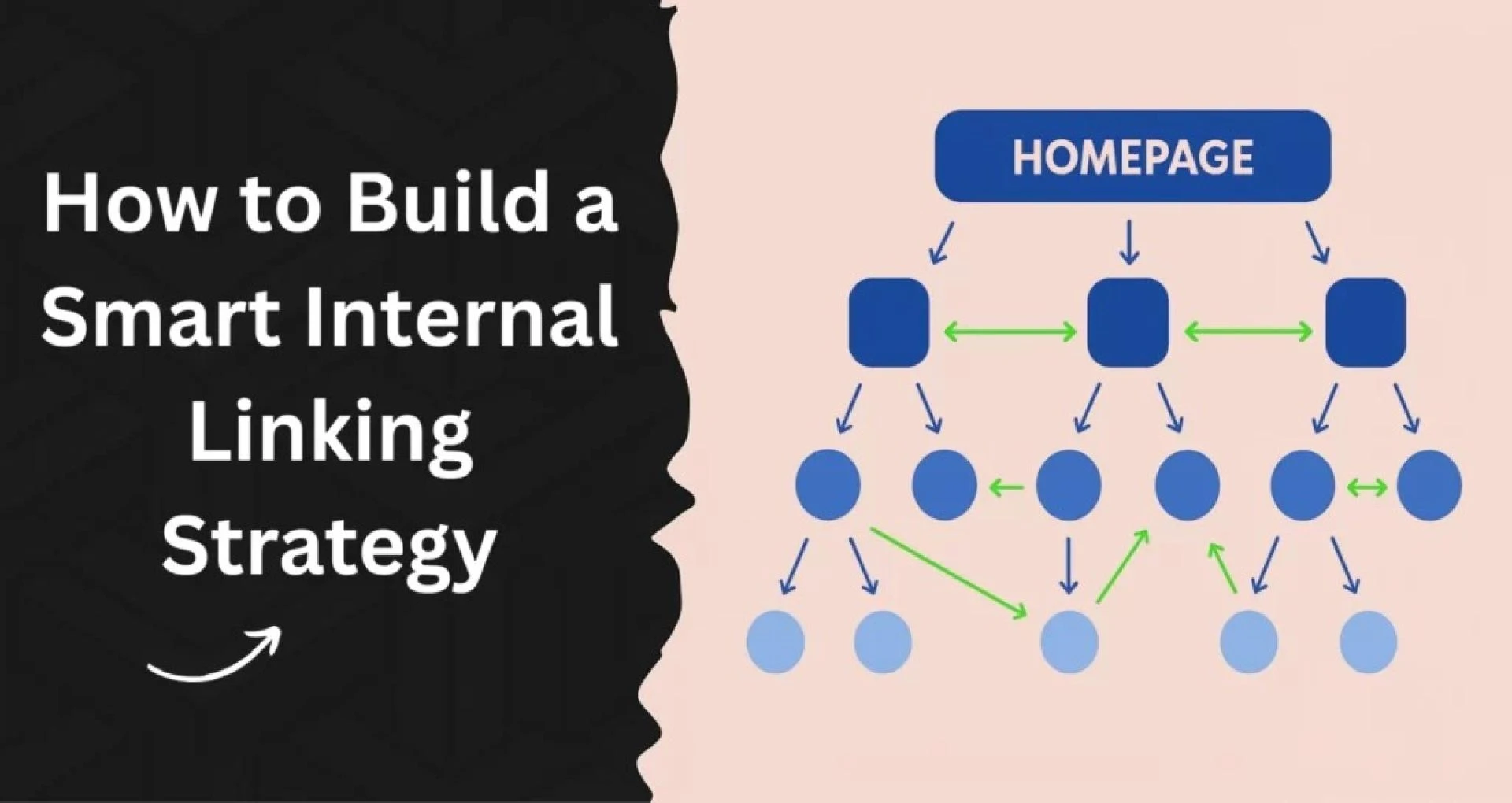
By following internal linking best practices and developing a clear seo internal linking strategy, you can ensure that your content works together — not against each other.
What Is Keyword Cannibalization?
Keyword cannibalization occurs when two or more pages on the same website are optimized for the same keyword or intent. As a result, they start competing against each other in search engine results pages (SERPs).
Instead of one strong page ranking high, multiple weaker pages appear lower, which hurts visibility, traffic, and authority. This situation is called cannibalization in SEO or cannibalization SEO.
For example:
If you publish two blog posts — one titled “What Is Keyword Cannibalization?” and another “How to Fix Keyword Cannibalization” — both optimized for the same keyword “keyword cannibalization,” Google might not know which one to prioritize.
This confusion splits your ranking power and leads to SEO keyword cannibalization.
Why Keyword Cannibalization Is a Problem
Keyword cannibalization isn’t just an SEO mistake — it’s a ranking killer. Here’s why:
- Confuses Search Engines: Google doesn’t know which page to rank for the keyword.
- Divides Link Equity: Backlinks and internal signals get distributed among multiple pages.
- Lowers Rankings: Instead of one strong page, several weaker ones compete.
- Hurts Click-Through Rates (CTR): Users might click on the wrong or less relevant page.
- Wastes Crawl Budget: Google crawls similar content repeatedly, reducing efficiency.
To fix this, you need a smart content structure supported by strong internal links and proper keyword mapping.
Common Causes of Keyword Cannibalization
Understanding the causes helps prevent it. Here are the most common ones:
- Similar or Duplicate Content: Publishing multiple posts on nearly identical topics.
- Lack of Keyword Planning: Targeting the same keyword on different pages without mapping.
- Weak Internal Linking SEO Structure: Poor or random internal links confuse Google.
- Over-Optimization: Using the same target keyword too many times across posts.
- Category or Tag Overlap: Similar tags or categories compete in SERPs.
Each of these can lead to cannibalization in SEO and lower your rankings.
Real Example of Keyword Cannibalization
Imagine you run a digital marketing blog and publish these two articles:
- “Best SEO Tools for 2025”
- “Top SEO Tools for Beginners”
Both target “SEO tools.” Because they overlap, Google doesn’t know which page to rank. Instead of one page ranking high, both pages may appear lower — that’s cannibalization SEO.
You can fix keyword cannibalization by merging the two articles into a single, comprehensive one, and redirecting the old URLs to the new post.
How to Identify Keyword Cannibalization
Here are a few quick methods to identify SEO keyword cannibalization on your website:
- Google Search Operator:
- Use this search query:
- site:yourdomain.com “your keyword”
- It will show all pages optimized for that keyword.
- Google Search Console:
- Look for multiple URLs ranking for the same queries.
- SEO Tools:
- Use Ahrefs, SEMrush, or Screaming Frog to spot duplicate keyword targets.
- Manual Review:
- Audit your existing content and list down pages targeting similar phrases.
Once identified, you can fix it through consolidation, redirects, or smart internal linking for SEO.
How to Fix Keyword Cannibalization
Fixing keyword cannibalization is easier than it seems. Let’s explore the best solutions.
1. Merge Similar Pages
If two or more pages cover the same topic, merge them into one high-quality post. This builds authority and reduces duplication. Use 301 redirects from old URLs to the main page.
2. Re-Optimize Content
Assign a unique keyword to each page. For instance, if multiple articles target “keyword cannibalization,” you can change one to focus on “how to fix keyword cannibalization.”
3. Strengthen Internal Linking
Using internal links effectively is the key to preventing keyword overlap.
Follow these internal linking best practices:
- Link from supporting articles to your main content.
- Use relevant, keyword-rich anchor text.
- Keep the linking natural and contextual.
- Ensure every important page has 3–5 internal links pointing to it.
A strong seo internal linking strategy helps search engines identify which page holds more authority and which one is supportive.
4. Use Canonical Tags
If merging pages isn’t an option, add canonical tags to tell Google which page is the preferred version.
5. Create a Keyword Map
Assign one main keyword per page. This ensures that every topic is unique and prevents cannibalization in SEO.
How Internal Links Help Fix Keyword Cannibalization
Internal linking SEO plays a powerful role in organizing your content and defining page hierarchy. By linking related content strategically, you guide search engines toward your most important pages.
For example, your main article about what is keyword cannibalization should receive links from smaller, related articles like “How to Fix Keyword Cannibalization” or “Keyword Cannibalization in SEO Examples.”
This method helps:
- Consolidate link equity to the main page.
- Strengthen keyword relevance.
- Eliminate ranking confusion.
- Support your seo keyword cannibalization recovery plan.
Best Practices to Prevent Keyword Cannibalization
- Conduct regular content audits.
- Plan a keyword map for every new article.
- Use internal linking for SEO to build clear relationships between pages.
- Avoid creating duplicate or overlapping content.
- Update old content with relevant internal links.
Following these internal linking best practices ensures your content stays organized, clear, and effective.
Benefits of Fixing Keyword Cannibalization
When you resolve keyword cannibalization, your SEO performance improves significantly. Here’s how:
- One clear page ranks higher for the target keyword.
- Enhanced visibility and CTR.
- Stronger topical authority.
- Better user experience.
- Improved crawl efficiency for search engines.
A clean seo internal linking strategy ensures your website’s content works as a team — not as competitors.
FAQs
1. What is keyword cannibalization in SEO?
It’s when multiple pages on your website target the same keyword, confusing Google about which page to rank.
2. How can I fix keyword cannibalization?
You can fix keyword cannibalization by merging similar content, re-optimizing pages, and strengthening internal links.
3. How do internal links help SEO?
Internal linking SEO helps distribute authority, guide crawlers, and improve rankings for key pages.
4. What are internal linking best practices?
Link related pages naturally, use descriptive anchor text, and follow a structured seo internal linking strategy.
5. How can I avoid cannibalization in SEO?
Maintain a keyword map, audit your content, and link logically across your site to prevent cannibalization SEO issues.
Conclusion
Keyword cannibalization can weaken your site’s SEO performance, but it’s completely fixable. By organizing your content smartly, optimizing each page for a unique keyword, and using strong internal links, you can help search engines understand your site better.
Follow internal linking best practices and maintain a well-structured seo internal linking strategy to ensure your pages support — not compete with — each other. This not only enhances rankings but also builds a more powerful and user-friendly website.