
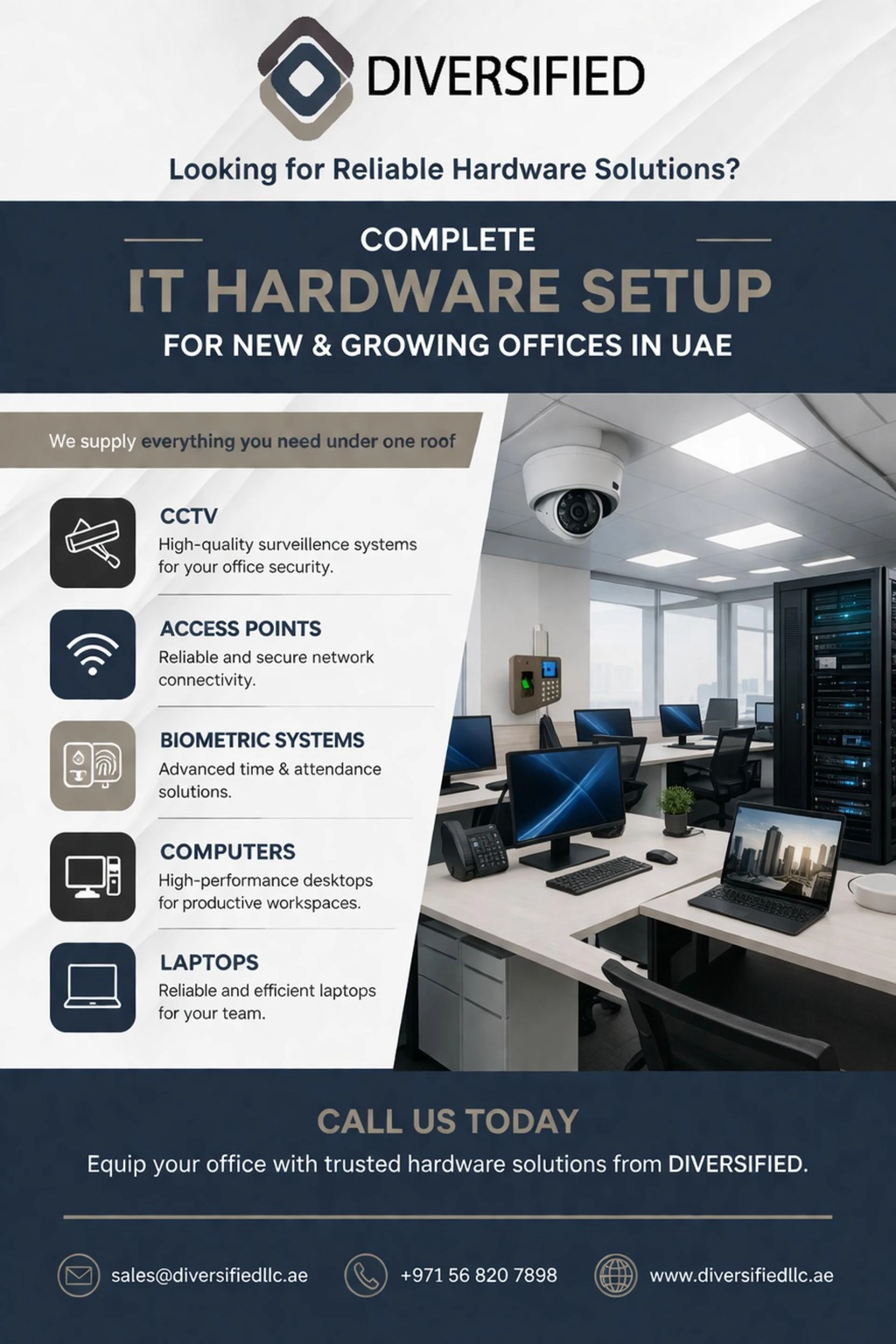
Imagine your business in Dubai outgrowing its current systems faster than expected, jammed networks, slow apps, and frustrated teams. Does this sound familiar? For innovators in the UAE, from Sharjah startups to Dubai enterprises — having a scalable IT infrastructure isn’t just a luxury, it’s a strategic necessity. With digital transformation accelerating, organizations that plan ahead with resilient systems gain a significant competitive advantage. This article delves into practical guidance on building scalable IT infrastructure, leveraging modern technologies like cloud computing and secure surveillance, and delivering value that supports growth now and into the future.
What Is Scalable IT Infrastructure and Why It Matters
Scalable IT infrastructure refers to a technological framework that can grow and adapt as business needs evolve. It means systems are flexible, high‑performing, and capable of handling peaks in demand without costly redesigns.
Growth without scalability is like driving a sports car on a dirt road — limitations soon show, performance lags, and opportunities are missed. In fast‑moving markets such as the UAE, where companies scale rapidly, future‑ready infrastructure enables:
- Faster deployment of services
- Reduced operational bottlenecks
- Improved customer experience
- Efficient resource utilization
- Enhanced security and compliance
A foundation that supports growth ensures that businesses in Dubai, Sharjah, or Abu Dhabi do not get held back by technology that can't keep up.
Core Components of Scalable IT Infrastructure
To structure a scalable environment, businesses must design systems across four key layers:
Infrastructure LayerCore FocusScalable BenefitNetwork ArchitectureConnectivity & bandwidthCan accommodate growth in users & servicesComputing ResourcesServers & processingSupports spikes in workloadsStorage SolutionsData management & backupsExpands without loss of performanceSecurity & ComplianceThreat preventionProtects growing assets
Each layer should be built with flexibility in mind, capable of integrating new tools, platforms, and services without major rework.
Building Network Architecture for Growth
At the heart of IT infrastructure is the network. A scalable network must be high‑bandwidth, low‑latency, and capable of seamless expansion. In the UAE’s business hubs such as Dubai Internet City or Sharjah Media City, this often includes hybrid environments where on‑premises systems interact with cloud services.
Key tips for robust networking:
- Adopt modular network design to add capacity when needed.
- Implement redundancy and failover mechanisms to minimize downtime.
- Use software‑defined networking (SDN) to centralize and automate network control.
Leveraging Cloud Technology for Scalability
Cloud adoption is one of the most effective ways to achieve scalability — especially in a region like the UAE, where digital transformation is a priority for both private and public sectors. Cloud computing eliminates the need for heavy upfront investment in physical infrastructure and allows businesses to:
- Scale resources up or down dynamically
- Pay only for what they consume
- Deploy new services in minutes, not months
Why Cloud is a Growth Enabler
Think of cloud services as expandable real estate for your IT systems. When you need more server space, memory, or throughput, the cloud delivers instantly.
Some of the benefits include:
- Flexibility: Easily reconfigure resources
- Cost Efficiency: Reduce CapEx and optimize OpEx
- Resilience: Built‑in redundancy minimizes outages
- Global Reach: Distribute services across regions quickly
This is where professional Cloud Solutions and Migration Services UAE prove invaluable. Expert consultants can help businesses assess readiness, design an appropriate strategy, and migrate workloads without disrupting operations.
Choosing the Right Cloud Strategy
There isn’t a “one‑size‑fits‑all” cloud model. Scalable IT infrastructure often involves a mix:
- Public Cloud: Cost‑effective, highly flexible
- Private Cloud: Greater control and security
- Hybrid Cloud: Balances performance, security, and cost
Most growing companies start with hybrid or multi‑cloud strategies to leverage the best of each option.
Cloud Migration: Best Practices
Migrating to the cloud is more than lifting and shifting servers. It requires:
- Assessment of current infrastructure
- Prioritization of workloads
- Security and compliance planning
- Testing and iterative rollout
- Ongoing optimization
AWS, Azure, and Google Cloud are common platforms, but the success of cloud adoption lies in careful planning and expert execution.
Scalable Computing and Storage Solutions
Modern workloads demand flexible computing and storage. Traditional servers can become bottlenecks; scalable alternatives include:
- Virtualization: Run multiple virtual machines on fewer physical servers
- Containers: Lightweight compute units that standardize environments
- Software‑defined storage: Delivers storage resources that scale on demand
For businesses in the UAE, working with experienced IT providers ensures that computing resources align with performance requirements and budget considerations.
Integrating Advanced Security in Scalable Infrastructure
Scaling systems isn’t just about performance — it must be paired with security that grows as threats evolve. A scalable infrastructure must include:
- Real‑time monitoring
- Intrusion detection systems
- Identity and access management
- Data encryption
Physical security also plays a critical role. For example, implementing effective CCTV Surveillance Systems can protect facilities, hardware, and sensitive data centers. These solutions support remote monitoring, scalable camera deployment, and intelligent alerts — enhancing both security and peace of mind.
Aligning IT with Business Objectives
Technology should enable strategy, not limit it. Scalable IT infrastructure must be designed with business goals in mind:
- What growth targets do you have?
- Are there geographic expansion plans?
- Will new products or services require additional capacity?
- What regulatory requirements must be met in UAE markets?
Answering these questions early helps shape infrastructures that can grow sustainably.
Managing Costs Without Sacrificing Scalability
Cost management is crucial. Scaling doesn’t mean unlimited spending. Consider the following strategies:
- Use cloud cost analytics to track usage
- Implement auto‑scaling to match capacity with real demand
- Negotiate volume discounts with vendors
- Reuse existing assets where feasible
Balancing performance with cost ensures IT infrastructure supports growth without draining resources.
Supporting Users and Improving Performance
As infrastructure scales, user experience becomes a priority. Slow systems frustrate employees and customers alike. To maintain performance:
- Monitor key performance indicators (KPIs) continually
- Use load balancers to distribute traffic
- Optimize applications for cloud environments
- Provide responsive support to technical issues
Performance optimization ties directly to business productivity and customer satisfaction.
Local Considerations for UAE Businesses
In the UAE — particularly in cities like Dubai and Sharjah — businesses benefit from modern digital infrastructure and government initiatives that support innovation. However, they must also consider:
- Data sovereignty laws
- Regulatory compliance frameworks
- Industry‑specific security standards
Partnering with providers who understand local market conditions and compliance requirements is a strategic advantage.
Organizations such as Diversified LLC offer tailored IT services that align with business missions, from cloud migrations to comprehensive infrastructure design.
A Framework for Implementation
Below is a simplified phased approach to building scalable IT infrastructure:
PhaseFocusKey Actions
1. DiscoveryUnderstand current stateAssess systems, workloads, users
2. StrategyDefine visionChoose cloud model, security plan
3. DesignCreate architecturePlan network, compute, and storage
4. Migration/BuildImplement systemsDeploy in phased stages
5. Test & OptimizeValidate performanceMonitor, refine, scale
This structured approach minimizes disruption while enhancing capabilities.
Emerging Trends to Future‑Proof Your Infrastructure
Looking ahead, several technologies will shape scalable IT infrastructure:
- Edge Computing: Process data near the source for faster response times
- AI‑Driven Automation: Improve performance and self‑healing systems
- 5G Connectivity: Enable high‑speed networking for mobile and IoT
- Blockchain for Security: Decentralized verification and data integrity
Investing in scalable architecture now positions businesses to adopt these innovations smoothly.
Conclusion
Building a scalable IT infrastructure is a journey, not a destination. For growing companies — especially in dynamic markets like Dubai and Sharjah — future‑proof systems enable agility, resilience, and competitiveness. By embracing cloud solutions, robust networking, strong security practices, and informed cost management, organizations can support rapid growth without risking performance or security.
Scalable IT infrastructure impacts everything from employee productivity to customer satisfaction and is foundational to digital success. With careful planning and execution, your business can not only keep pace with change but lead it.
Frequently Asked Questions
Q1: What does “scalable IT infrastructure” mean?
Scalable infrastructure refers to systems designed to grow and adapt with business needs — handling increased traffic, data, and users without performance degradation.
Q2: How can cloud migration help scalability?
Cloud platforms provide flexible resources that can expand or contract as demand changes, reducing operational constraints and improving cost efficiency.
Q3: Is security included in scalable design?
Absolutely — scalable infrastructure must incorporate security at every layer, from network defenses to surveillance systems and access controls.
Q4: What role does network design play in scalability?
Network architecture determines how effectively data travels across systems. A strong network supports peak loads and connects cloud and on‑premises resources seamlessly.
Q5: How do businesses in UAE optimize IT costs while scaling?
By using tools like auto‑scaling, cloud analytics, and phased deployment plans, organizations can balance performance with financial prudence — especially important for expanding operations in competitive markets like Dubai and Sharjah.
If you’d like help tailoring a scalable IT strategy for your business, let’s dive deeper into your goals and challenges.