Most businesses write a fuel emergency plan the week after they needed one. A storm closes the terminal, a supplier misses two deliveries, or a generator runs dry on the second night of an outage, and suddenly everyone wants to know who was supposed to call whom.
The plan that prevents that scramble is short. It answers six questions while nobody is under pressure: what has to keep running, how much fuel it burns, how much you hold on site, how long that lasts, who brings more, and who makes the call.
Those last two questions usually come down to emergency fuel delivery, but a delivery arrangement only works when you've already written down the first four answers. Here is how to work through each one.
1. Identify the equipment that has to keep running
Start with a walk-through of every site. List each fuel-burning asset you find: standby generators, fire pumps, fleet vehicles, forklifts and yard tractors, boilers, construction equipment, refrigeration units on trailers.
Then rank them. A three-tier system works for most operations. Tier one covers anything whose loss creates a safety risk or stops revenue within hours, such as a generator carrying a server room or a cold storage facility. Tier two covers assets whose loss hurts within a day or two. Tier three can wait until supply returns to normal.
Be strict here. First drafts almost always put too much into tier one, and an inflated list makes every later number unrealistic. The tiers also decide something you will be glad to have settled in advance: who gets fuel first when there isn't enough to go around.
2. Estimate your essential fuel requirements
Work from measured consumption. For vehicles, pull 90 days of fuel records by unit and take the heaviest week rather than the average, because emergencies rarely arrive during a quiet stretch. For generators, the manufacturer’s spec sheet lists consumption at 25%, 50%, 75%, and 100% load. Use the load your facility actually draws during an outage, as shown in your last transfer test or load bank report.
Add the tier one and tier two figures together to get your daily essential demand. For example, a generator burning 7 gallons per hour around the clock uses 168 gallons a day. Add six service trucks averaging 25 gallons each, and essential demand comes to roughly 318 gallons a day. Add a margin for cold weather, extended shifts, and the extra work that usually follows a disruption.
3. Set an emergency fuel reserve
Express the reserve in days of operation, then convert it to gallons. The number of days depends on your exposure: the longest outage your region has seen, how long deliveries took to resume after the last major storm, and how far your sites are from a fuel terminal.
Multiply daily essential demand by that number of days and compare the result with what you can actually store. Count usable gallons rather than nameplate capacity. Never fill tanks to the brim; fuel expands as it warms, and the bottom few inches often hold water and sediment you don't want drawn into an engine. Usable volume is meaningfully smaller than the number painted on the tank.
Whatever gap remains between your reserve target and your usable storage is the volume your emergency fuel supply arrangement has to cover. Most businesses find that storage covers the first stretch of an event and delivery handles the rest, so the reserve calculation should end with a dedicated emergency fueling service agreement rather than a hopeful phone number.
4. Write down the resupply procedure
This part of the plan should read like instructions a new employee could follow at 2 a.m.
Set trigger points first. During an event, call your provider when the remaining fuel covers the provider’s committed response time plus a generous buffer. Write the trigger down as a tank level so nobody has to do arithmetic under stress.
Next, assemble a site packet for every location. Include tank locations and capacities, fill point types, gate codes, after-hours contacts, the route a tanker should take in, and photos of each fill point. Send a copy to your provider in advance.
Finally, name the people. One person monitors levels, one calls the provider, and one approves spending above a set limit. Each role needs a backup, and a secondary supplier belongs on file in case the primary one cannot reach you.
5. Inspect and maintain what you store
Stored fuel degrades. Diesel collects water from condensation, grows microbes where fuel and water meet, and forms sediment as it ages. A reserve that will not burn protects nothing.
Schedule regular inspections, water removal, and fuel testing, with polishing or treatment where results call for it. Top off tanks after every generator test so the reserve you planned on is the reserve you actually have.
6. Choose an emergency fueling service before you need it
You cannot improvise the provider. During a regional shortage, suppliers serve contracted accounts first, so choose one when nothing is wrong.
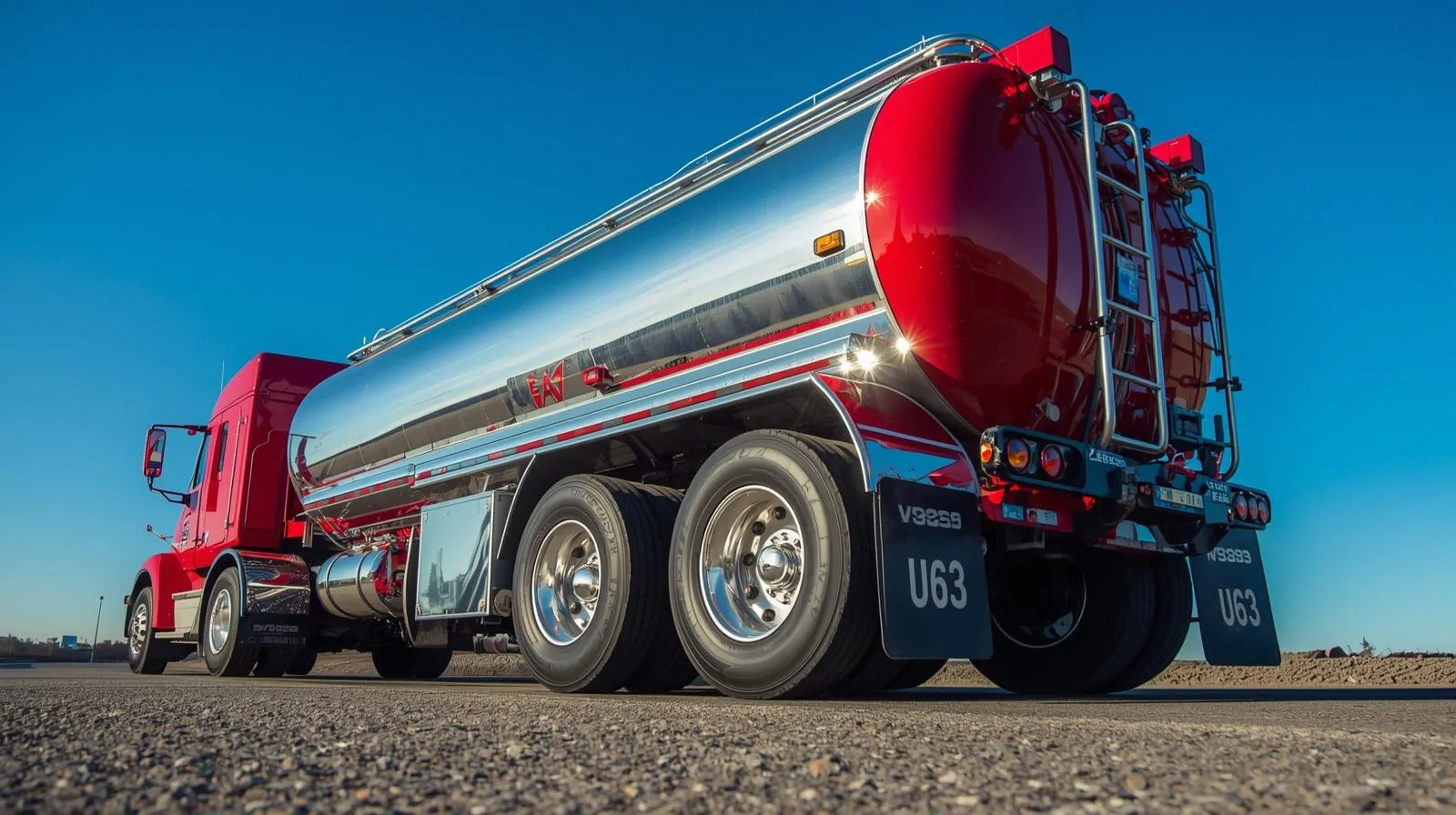
Ask for response times as numbers tied to a geography. For example, Atlas Fuel Services runs 24/7/365 dispatch and states a 60- to 90-minute response in most urban and suburban areas within its service region. Ask whether the provider can fuel a stranded vehicle on the road and a tank at your facility, what equipment it runs in storm conditions, and how it allocates fuel during regional demand spikes. Also ask what delivery records it provides, because insurers and auditors will want them. Businesses that line up emergency fuel delivery from Atlas Fuel Services in advance get those answers in writing before the forecast turns.
7. Test the plan twice a year
Run a tabletop exercise. Pick a scenario, walk through each step, and time how long the decisions take. Call your provider to confirm that contacts and site details are current. Update the plan whenever you add a generator, grow the fleet, open a site, or change suppliers.
Frequently asked questions
What should a business include in a fuel emergency plan?
A complete plan covers an inventory of fuel-dependent equipment ranked by priority, daily essential fuel demand, a reserve target in days and gallons, resupply trigger points, a site access packet for each location, named roles with backups, primary and secondary fuel providers, a maintenance schedule for stored fuel, and a testing calendar.
How can businesses estimate their emergency fuel requirements?
Add up the consumption of every essential asset at the level it runs during an emergency. Use 90 days of fleet fuel records and manufacturer generator data at your real outage load. Multiply that daily figure by the number of days you need to operate without resupply, then add a margin.
How often should you inspect and replenish emergency fuel supplies?
Many businesses check tank levels and look for water at least monthly and test stored diesel for quality at least once a year, more often when fuel sits for long periods. Replenish after every generator test or drawdown so tanks stay at their planned level. Your provider can set a schedule based on how quickly you use fuel.
What should businesses do if their fuel supply is disrupted unexpectedly?
Follow the plan in order. Confirm current levels, limit consumption to tier one and tier two assets, request emergency fuel delivery from your primary provider, and escalate to the secondary supplier if the primary cannot commit to a delivery time. Log levels and decisions as you go, since those records support insurance claims and the next revision of the plan.
How can a reliable fuel delivery provider support a business during an emergency?
A dependable provider delivers to tanks, equipment, and stranded vehicles around the clock; prioritizes contracted customers when supply is tight; positions trucks ahead of forecast storms; and provides digital delivery records. Many also handle fuel testing and tank maintenance between events, so your reserve is ready when an outage starts.
A fuel emergency plan is a few pages of decisions made while things are calm. Atlas Fuel Services can help you turn those pages into a working arrangement, with site packets on file, response commitments in writing, and fuel that arrives when the plan says it will.