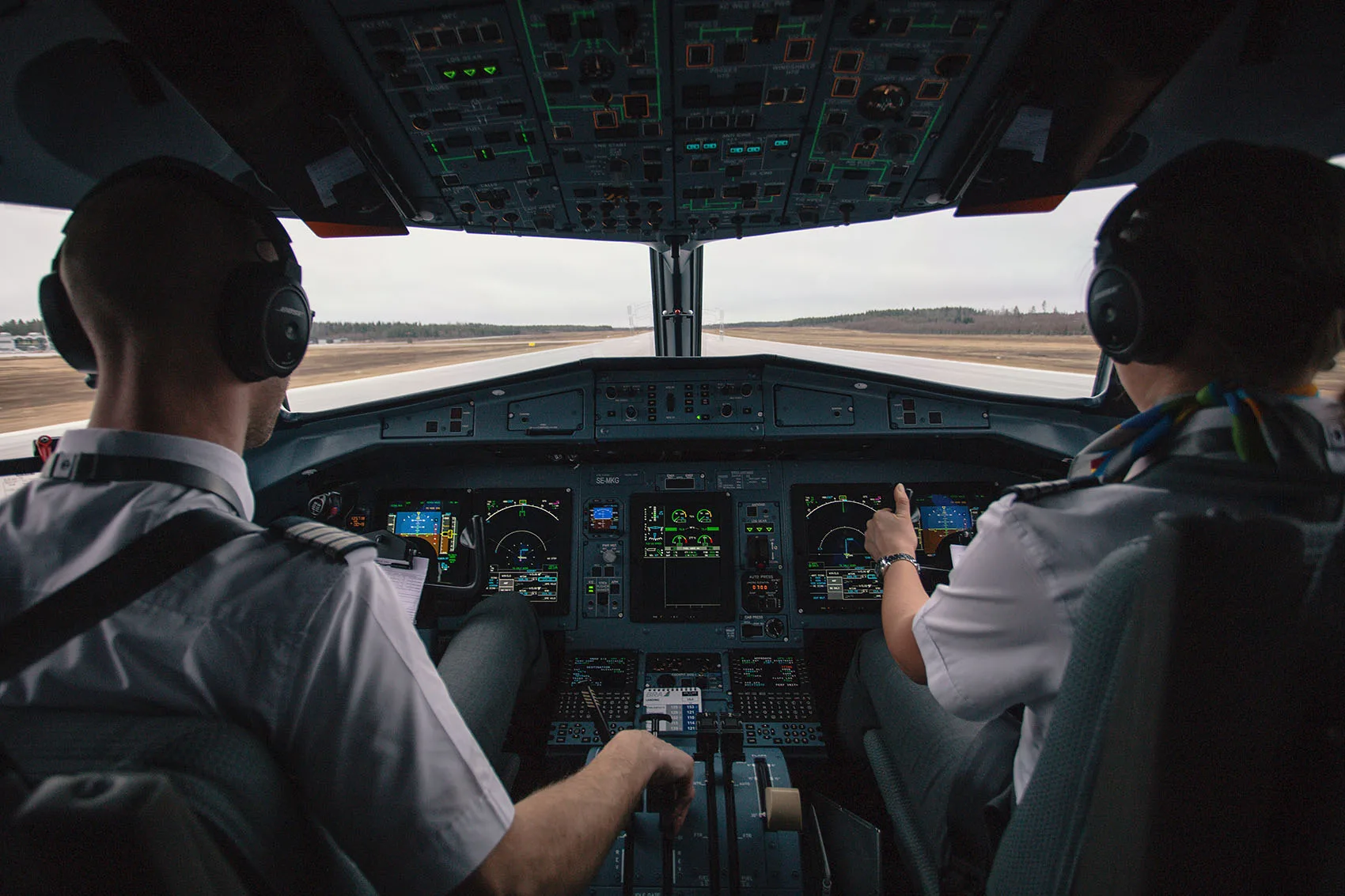
Becoming a pilot takes more than learning to control an aircraft. You need the right training, aviation knowledge and licence for your goals. If you're researching how to become a pilot in Australia, decide whether you want to fly privately or professionally. Australia offers different pilot training pathways, each with specific eligibility requirements, qualifications and flying experience. Choosing the right pathway depends on your career ambitions, available time and training budget. Understanding the eligibility rules and training stages can help you plan your journey and make informed decisions before enrolling.
Check the Basic Requirements First
Australia's Civil Aviation Safety Authority (CASA) sets the licensing requirements. Before committing to lessons, check the conditions that apply to your intended licence. The main considerations include:
- Age: Minimum licensing ages are 16 for an RPL, 17 for a PPL and 18 for a CPL.
- Medical Fitness: You'll need medical clearance appropriate to your licence and flying privileges.
- English: You must meet the required English communication standards for aviation.
Training: You must complete the relevant learning, examinations and flight assessments.
You can start learning before reaching the minimum licensing age. Discuss medical requirements early, especially if you want a commercial flying career. Your training provider can explain the next steps.
Choose the Licence That Matches Your Goals
If you're wondering how to become a pilot in Australia, understanding each licence helps you choose a suitable pathway.
- Recreational Pilot Licence (RPL): Allows recreational flying in specified light aircraft, subject to operational limits.
- Private Pilot Licence (PPL): Allows private flying but does not authorise ordinary paid commercial operations.
- Commercial Pilot Licence (CPL): Permits commercial flying within the privileges, ratings and other rules that apply.
For an aeroplane CPL, CASA requires at least 150 hours of experience through integrated training or 200 through non-integrated training. Additional requirements also apply. Becoming an airline pilot generally requires further training and experience beyond a CPL.
What Happens During Flight Training?
Training combines classroom learning with practical flying. You'll build confidence gradually while an instructor assesses your progress. Common stages include:
- Ground Lessons: Study weather, navigation, aviation law and aircraft systems.
- Flight Lessons: Practise take-offs, landings, flight planning and safe aircraft handling.
- Solo Flights: Fly without an instructor once you meet the required safety standards.
- Assessments: Complete the required theory examinations and practical flight tests.
Course length depends on your progress, aircraft availability and training schedule. Ask how flying lessons, briefings and examinations are arranged before you enrol.
Choosing a Flight Training Provider
Training providers differ in how they schedule lessons and maintain aircraft. If possible, visit the facilities and request a clear breakdown of fees. Confirm the provider holds appropriate Part 141 or Part 142 approval for your course. Ask about instructor availability, aircraft access, extra costs and missed lessons. Discuss how instructors provide feedback after each training flight. An airline pilot training school should explain how its pathway fits your career goals. Compare integrated and non-integrated CPL training, including their different experience requirements.
Conclusion
Learning to fly in Australia starts with knowing your goals and checking the relevant licence requirements. Compare courses, ask about medical eligibility and understand what the training includes. An airline pilot training school may suit someone pursuing commercial aviation, while other providers cater to private flying. Before enrolling, review your budget, expected training commitments and opportunities to build experience. Careful preparation helps you choose a realistic route towards your first licence.