The demand for a home health care aide has never been higher in the United States. I’ve seen firsthand how families rely on these professionals when aging parents want to stay at home or when patients need daily help after illness. Hospitals move fast, but recovery and long-term care happen slowly, often at home. That’s where a home health care aide becomes essential, supporting both patients and skilled nurses in real-life settings.
According to the U.S. Bureau of Labor Statistics, jobs for home health and personal care aides are projected to grow much faster than average through 2032. This growth is driven by an aging population, longer life expectancy, and a shift toward home-based care. If you’re considering this career, understanding the certification process, training path, and required skills will help you make a confident decision.
The Problem: Why Many People Feel Lost Entering the Home Health Care Aide Field
Healthcare information online can be confusing, especially when state requirements vary. Some people assume the role is limited to basic tasks, while others think it requires the same education as nursing. This lack of clarity often delays entry into a field that desperately needs workers. Without proper guidance, people either give up or choose the wrong training program, wasting time and money.
Many people are drawn to becoming a home health care aide because they want meaningful work without spending years in school. The problem is that the path isn’t always clear. I’ve spoken with aspiring aides who didn’t know whether certification was required, how long training takes, or what the job really involves day to day.
The Agitation: What Happens When Training and Expectations Are Unclear
When training expectations aren’t clear, both workers and patients suffer. I’ve seen new home health care aide hires feel overwhelmed on their first assignments because they didn’t fully understand their responsibilities. This can lead to high turnover, which is a serious issue in home care agencies across the U.S.
From a business standpoint, agencies lose money retraining staff. From a patient standpoint, inconsistent care creates stress and safety risks. The National Association for Home Care & Hospice reports that workforce shortages affect care quality and continuity. When aides are underprepared, it also puts pressure on home health skilled nursing teams who rely on aides for daily support and observation.
The Solution: Understanding the Role of a Home Health Care Aide
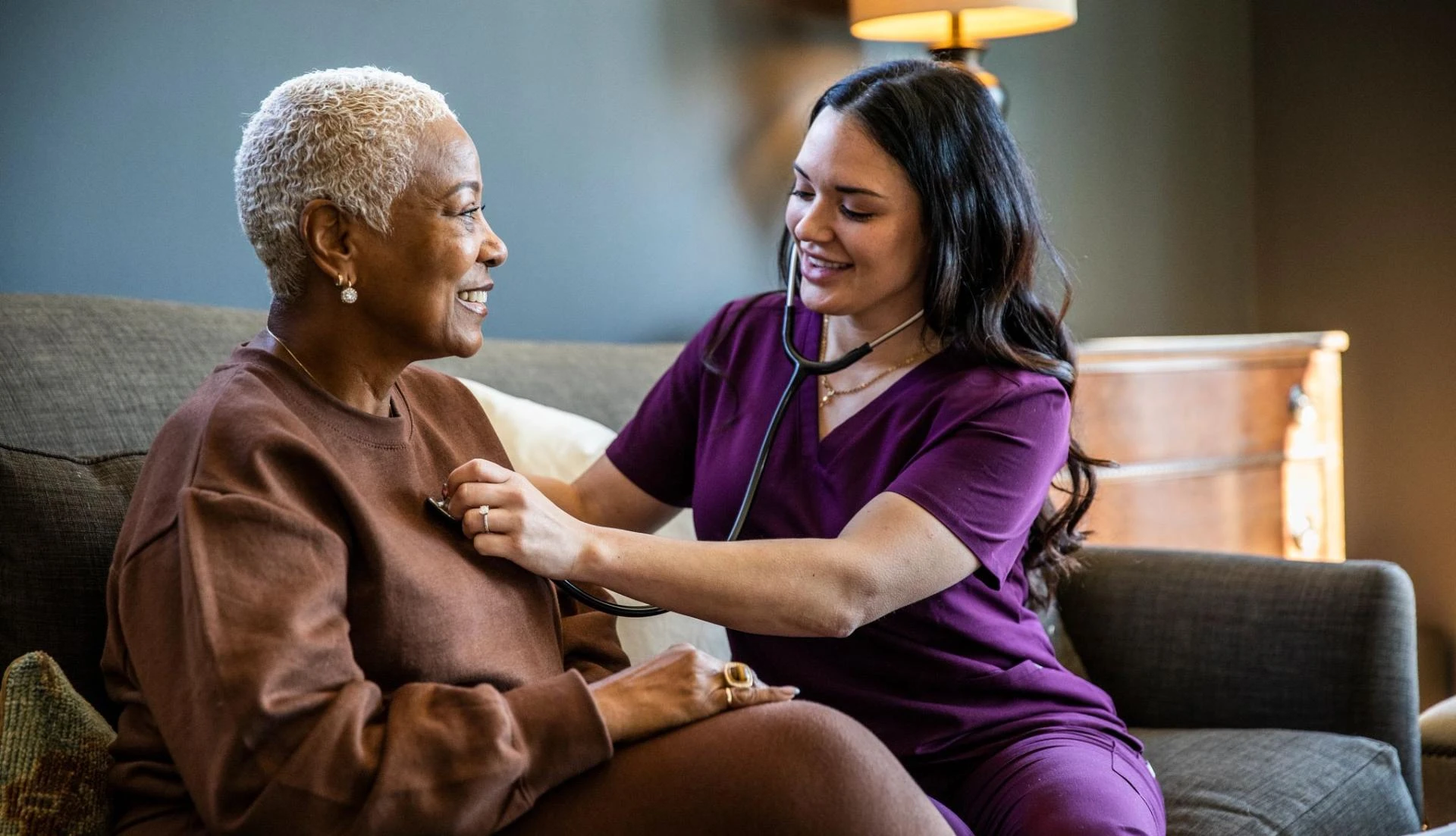
A home health care aide provides hands-on support to patients in their homes under the supervision of nurses or therapists. The role focuses on daily living assistance, basic health monitoring, and emotional support. In my experience, the best aides are those who understand that they are a key link between the patient and the medical team.
A home health care aide may help with bathing, dressing, mobility, meal preparation, and light housekeeping related to patient care. They also observe changes in a patient’s condition and report them to nurses, especially in cases involving home health skilled nursing services. This teamwork helps prevent complications and unnecessary hospital visits.
Certification Requirements in the United States
Certification requirements for a home health care aide depend on state regulations and the type of employer. In many states, aides working for Medicare-certified agencies must complete formal training and pass a competency evaluation. Federal guidelines require at least 75 hours of training, including supervised practical experience.
When I looked into training programs, I noticed that reputable agencies often exceed the minimum requirements. They know better-trained aides lead to better outcomes. Certification typically includes classroom instruction and hands-on skills testing. Some states also require background checks and continuing education to maintain certification. Checking your state health department’s guidelines is always a smart first step.
Training Programs and What They Actually Teach
Training programs for a home health care aide focus on both practical skills and patient interaction. Coursework usually covers infection control, basic anatomy, nutrition, personal care techniques, and safety procedures. Many programs also include communication skills, which I believe are just as important as technical abilities.
Hands-on training often involves supervised practice in real or simulated home environments. This prepares aides for working alongside home health skilled nursing professionals, especially when caring for patients with complex needs. Community colleges, vocational schools, and home care agencies commonly offer these programs. Some employers even pay for training in exchange for a work commitment.
Essential Skills Every Home Health Care Aide Needs
Beyond certification, success as a home health care aide depends on personal skills. Patience is critical, especially when working with seniors or patients with cognitive challenges. Physical stamina is also important since the job involves standing, lifting, and assisting with movement.
From my perspective, observation skills set great aides apart. Noticing small changes in behavior, appetite, or mobility can help nurses adjust care plans early. Communication skills matter too. A home health care aide often acts as the eyes and ears for home health skilled nursing teams, reporting concerns that could prevent serious health issues.
Real-World Case Study: Career Growth in Home Health Care
I once met a home health care aide who started with basic certification and later pursued advanced healthcare roles. She worked closely with home health skilled nursing staff, learned from their experience, and eventually became a licensed practical nurse. Her story isn’t rare. According to industry data, home care roles often serve as entry points into long-term healthcare careers.
From a business standpoint, agencies benefit from promoting career pathways. The Home Care Association of America notes that agencies with clear advancement opportunities see better retention rates. For individuals, starting as a home health care aide can open doors to stable, meaningful careers.
Working with Home Health Skilled Nursing Teams
Home health skilled nursing plays a central role in patient care, and aides are a vital part of that system. Skilled nurses handle clinical tasks like wound care, medication management, and assessments. The home health care aide supports daily routines and monitors patient comfort and safety.
In practice, this teamwork improves outcomes. Studies published by the Agency for Healthcare Research and Quality show that coordinated home care reduces hospital readmissions. When aides communicate effectively with skilled nurses, problems are identified early, saving time, money, and stress for everyone involved.
Salary Expectations and Job Outlook in the U.S.
Compensation for a home health care aide varies by state, experience, and employer. The U.S. Bureau of Labor Statistics reports a median annual wage that reflects steady demand rather than high pay. While this role isn’t the highest-paying healthcare job, it offers job security and flexible schedules.
Many aides choose this field for its stability and personal fulfillment. With demand increasing, agencies are offering better benefits, training incentives, and advancement options. In areas with strong home health skilled nursing networks, aides often find consistent work and long-term employment.
Challenges You Should Be Ready For
Like any healthcare role, being a home health care aide comes with challenges. Emotional strain is common, especially when caring for patients with serious or terminal conditions. I’ve learned that setting boundaries and practicing self-care is essential for long-term success.
Scheduling can also be unpredictable, depending on patient needs. Weather, travel, and last-minute changes are part of the job. Still, many aides value the independence and one-on-one patient relationships that come with home-based care.
The Future of the Home Health Care Aide Profession
The future looks strong for the home health care aide profession. Advances in telehealth and remote monitoring are changing how care is delivered, but they don’t replace human support. Instead, they enhance communication between aides and home health skilled nursing teams.
Government and private insurers continue to invest in home-based care models because they reduce costs and improve patient satisfaction. As this trend grows, trained and reliable aides will remain essential to the healthcare system.
Conclusion
Becoming a home health care aide offers a direct path into a growing healthcare field without years of schooling. With proper certification, focused training, and the right skills, this role provides stable work and real impact on people’s lives. From my experience, few jobs offer the same level of personal connection and purpose.
If you’re looking for a career that blends healthcare, independence, and human connection, the home health care aide role is worth serious consideration. As home health skilled nursing services continue to expand, aides will remain a core part of how America cares for its most vulnerable populations.