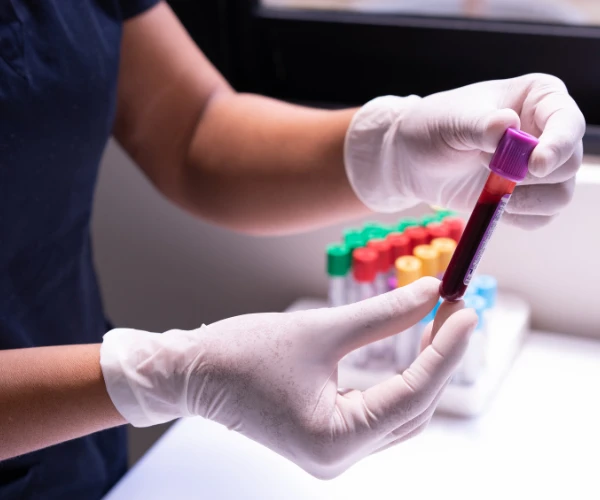
If you’re looking for a fast and rewarding way to start a career in healthcare, becoming a certified phlebotomist in Ontario is one of the best options in 2026.
Phlebotomists play a vital role in medical testing by collecting blood samples for diagnosis, treatment, and research. With the healthcare industry expanding across Ontario, the demand for trained phlebotomy professionals is growing quickly.
In this guide, you’ll learn everything you need to know about how to become a certified phlebotomist in Ontario, including training requirements, certification steps, job opportunities, and where to get started.
What Is a Phlebotomist?
A phlebotomist is a healthcare professional trained to draw blood from patients safely and accurately. Blood samples are essential for:
- Medical lab testing
- Diagnosing diseases
- Monitoring health conditions
- Supporting hospital and clinic treatments
Phlebotomists work in hospitals, diagnostic labs, clinics, and long-term care facilities.
Why Choose Phlebotomy as a Career in Ontario in 2026?
Phlebotomy is becoming one of the fastest-growing healthcare careers in Ontario because:
✅ Increased demand for diagnostic testing
✅ Aging population needing regular medical care
✅ Expansion of labs, clinics, and healthcare services
✅ Short training period compared to other healthcare jobs
It’s an excellent option for students, career changers, and newcomers to Canada.
Step-by-Step Guide to Becoming a Certified Phlebotomist in Ontario (2026)
Let’s break down the process into clear steps.
Step 1: Understand the Role and Responsibilities
Before starting training, it’s important to know what phlebotomists do daily:
- Drawing blood using venipuncture techniques
- Labeling and handling specimens correctly
- Following infection control and safety standards
- Communicating with patients professionally
- Working closely with nurses and lab technicians
Strong attention to detail and patient care skills are essential.
Step 2: Meet Basic Eligibility Requirements
Most phlebotomy training programs in Ontario require:
- Minimum age of 18 years
- High school diploma or equivalent
- Good communication skills
- Interest in healthcare and patient support
Some employers may also request CPR certification or immunization records.
Step 3: Enroll in a Recognized Phlebotomy Certification Program
To work professionally in Ontario, you need proper training aligned with certification standards.
A quality phlebotomy course should include:
- Anatomy and physiology basics
- Infection prevention and control
- Venipuncture and capillary blood draw practice
- Specimen collection and lab procedures
- Professional healthcare communication
- Exam preparation support
At Futures Canadian College, students receive both online learning and hands-on practical training designed to help them succeed.
👉 Learn more here:
Phlebotomy Certification Ontario Program
https://futurescollege.ca/phlebotomy-certification-ontario/
Step 4: Complete Hands-On Practical Training
Phlebotomy is a skill-based career, so hands-on practice is crucial.
During training, students learn:
- Proper needle techniques
- Patient positioning and comfort
- Handling difficult veins
- Safety protocols and hygiene
Programs that offer real practice sessions help students feel confident in clinical settings.
Step 5: Prepare for the Certification Exam
In Ontario, many employers prefer candidates certified through organizations like the:
Canadian Phlebotomy Technicians Group (CPTG)
Certification proves you have the professional skills and training required in healthcare environments.
Good training programs offer:
- Mock exams
- Study resources
- Instructor guidance
- Exam-focused learning modules
Step 6: Take the CPTG Certification Exam
After completing training, the next step is to register for the CPTG certification exam.
The exam typically tests knowledge in:
- Blood collection procedures
- Safety and infection control
- Patient care standards
- Specimen handling
Once you pass, you become a certified phlebotomy technician recognized across Ontario.
Step 7: Start Applying for Phlebotomy Jobs in Ontario
After certification, you can apply for jobs in:
- Hospitals
- Private diagnostic labs (LifeLabs, Dynacare, etc.)
- Walk-in clinics
- Long-term care facilities
- Mobile blood collection services
Phlebotomy offers a stable entry into the healthcare workforce.
Phlebotomist Salary in Ontario (2026 Outlook)
Phlebotomy technicians in Ontario typically earn:
- Entry-level: $20–$23/hour
- Experienced: $25–$30/hour
With experience, many professionals grow into roles like:
- Lab technician assistant
- Healthcare support specialist
- Medical laboratory technologist pathway
How Long Does It Take to Become Certified?
One of the biggest benefits of phlebotomy is the short training time.
Some programs can be completed in as little as:
✅ 1 week (fast-track certification training)
or
✅ A few weeks depending on schedule
This makes it ideal for anyone wanting a quick healthcare career start.
Why Choose Futures Canadian College for Phlebotomy Training?
Futures Canadian College in Mississauga provides:
- Intensive hands-on training
- Certification exam preparation
- Small class sizes
- Flexible learning options
- Support for career development
Whether you're starting fresh or upgrading healthcare skills, Futures College offers the right pathway.
👉 Explore the program here:
https://futurescollege.ca/phlebotomy-certification-ontario/
Final Thoughts: Is Phlebotomy a Good Career in Ontario in 2026?
Yes, phlebotomy is one of the best short-term healthcare certifications with long-term career potential.
If you want a career that is:
✔ In-demand
✔ Quick to start
✔ Stable and rewarding
✔ Healthcare-focused
Then becoming a certified phlebotomist in Ontario could be the perfect choice.
Ready to Start Your Phlebotomy Career?
Take the first step today by enrolling in a recognized certification program.
📌 Learn more about Phlebotomy Certification in Ontario: