Every homeowner wants a property that is safe, comfortable, and built to last. Whether it is a family home that has been passed down through generations or a recently purchased house that needs a few improvements, investing in the right upgrades can make a significant difference. While many renovation projects focus on kitchens, bathrooms, or landscaping, the systems that truly protect and support the home often receive less attention.
The roof, insulation, ventilation, and heating and cooling equipment all work together behind the scenes to create a comfortable living environment. When one part of this system begins to fail, the effects can be felt throughout the entire property. Higher energy bills, uneven temperatures, water damage, and expensive repairs often begin with problems that could have been prevented through careful planning and timely maintenance.
Understanding how these essential components connect can help homeowners make smarter decisions and protect one of their biggest investments.
Looking Beyond Surface-Level Improvements
Home improvement trends often focus on visible changes that add curb appeal. A fresh coat of paint, updated windows, or a redesigned outdoor area can certainly improve the appearance of a property. However, the hidden structural and mechanical systems are what truly determine how well a home performs every day.
A durable exterior shell keeps moisture, heat, and cold air where they belong. At the same time, efficient indoor systems maintain a pleasant environment regardless of the season. When these elements are designed to complement each other, the result is a property that is more reliable, energy efficient, and easier to maintain.
Rather than thinking of renovations as separate projects, homeowners can benefit from viewing the house as one complete system where every part contributes to long-term performance.
The Roof Plays a Bigger Role Than You Think
Most people only think about their roof when they notice a leak or missing shingles. In reality, it is one of the most important parts of any structure. It shields the interior from heavy rain, wind, hail, and direct sunlight while helping regulate indoor temperatures throughout the year.
An aging or damaged roof can create a chain reaction of problems. Small cracks may allow moisture to seep into the attic, where it can damage insulation, weaken wood framing, and encourage mold growth. Over time, these issues become more difficult and expensive to fix.
Planning for Roofing Installation before major issues develop is often the best way to preserve the integrity of a home. A properly installed roof provides dependable protection while helping the entire building operate more efficiently.
How Energy Efficiency Begins at the Top
Energy costs continue to be a concern for homeowners across the country. Heating and cooling systems account for a large percentage of monthly utility bills, but many people do not realize that the condition of the roof can have a direct impact on those costs.
When insulation is compromised or ventilation is inadequate, warm air escapes during the winter and excess heat enters during the summer. As a result, the heating and cooling equipment must work harder to maintain a comfortable indoor temperature.
A well-designed roofing system helps reduce this unnecessary strain by creating a stronger barrier between the indoors and the outside environment. Combined with proper insulation and airflow management, it can contribute to lower energy consumption and a more consistent indoor climate.
The Value of Proper Ventilation
Ventilation is one of the most overlooked features in residential construction, yet it has a major influence on the health and efficiency of a home. Attics and enclosed roof spaces naturally collect heat and moisture. Without an effective way for that air to escape, these conditions can gradually damage the structure.
Excess moisture may lead to warped wood, deteriorating insulation, or mildew growth. Trapped heat can also shorten the lifespan of roofing materials while increasing the demand placed on cooling equipment during warm weather.
Balanced ventilation allows fresh air to circulate while removing unwanted heat and humidity. This simple but important feature helps preserve the roof, improve indoor comfort, and reduce the likelihood of long-term maintenance issues.
Why Heating and Cooling Systems Depend on Building Performance
Many homeowners believe that replacing an older heating or cooling unit will automatically solve comfort problems. While modern equipment offers improved performance and energy savings, it cannot compensate for deficiencies elsewhere in the home.
For example, if conditioned air escapes through gaps in the roof structure or poorly insulated spaces, even a high-efficiency system will have to work harder than necessary. This can increase operating costs and shorten the life of expensive equipment.
The most effective approach is to improve the building envelope while also ensuring that climate-control systems are appropriately sized and professionally installed. By addressing these factors together, homeowners create a more balanced and dependable living environment.
When the time comes to upgrade mechanical equipment, working with experienced HVAC installation contractors helps ensure that the system is selected and installed according to the specific needs of the property.
Planning Ahead Saves Time and Money
One of the biggest mistakes property owners make is waiting for a complete failure before taking action. Emergency repairs often happen under stressful circumstances, leaving little time to compare options or plan strategically.
Routine inspections and preventative maintenance provide an opportunity to identify small concerns before they become major expenses. A minor repair completed today may prevent significant structural damage in the future.
Planning ahead also allows homeowners to coordinate projects more effectively. If roofing improvements, insulation updates, and mechanical upgrades are scheduled together, contractors can work more efficiently and avoid unnecessary duplication of labor. This approach often reduces overall costs while delivering better long-term results.
Signs Your Home May Need Attention
Every home experiences wear and tear over time, but certain warning signs should never be ignored. Recognizing these issues early can help prevent more serious damage.
Some common indicators include:
- Water stains on ceilings or walls.
- Unexplained increases in energy bills.
- Hot or cold spots in different rooms.
- Drafts around attic spaces or upper floors.
- Musty odors are caused by trapped moisture.
- Shingles or roofing materials that appear damaged or worn.
- Heating and cooling equipment that runs constantly.
While these problems may seem unrelated, they often share a common cause. A complete evaluation of the home's protective and mechanical systems can reveal opportunities for improvement that benefit the entire property.
Quality Materials Make a Difference
The products used during a renovation are just as important as the workmanship behind the project. High-quality materials are designed to resist weather, reduce maintenance requirements, and provide dependable performance for many years.
Modern roofing products offer enhanced durability and improved energy efficiency. Advanced insulation materials help minimize heat transfer, while updated ventilation systems encourage better airflow. Similarly, today's heating and cooling equipment often includes smart technology that improves comfort while reducing energy use.
Although premium materials may require a larger initial investment, they frequently deliver greater value over time by reducing repair costs and extending the lifespan of important building components.
Choosing the Right Team for the Job
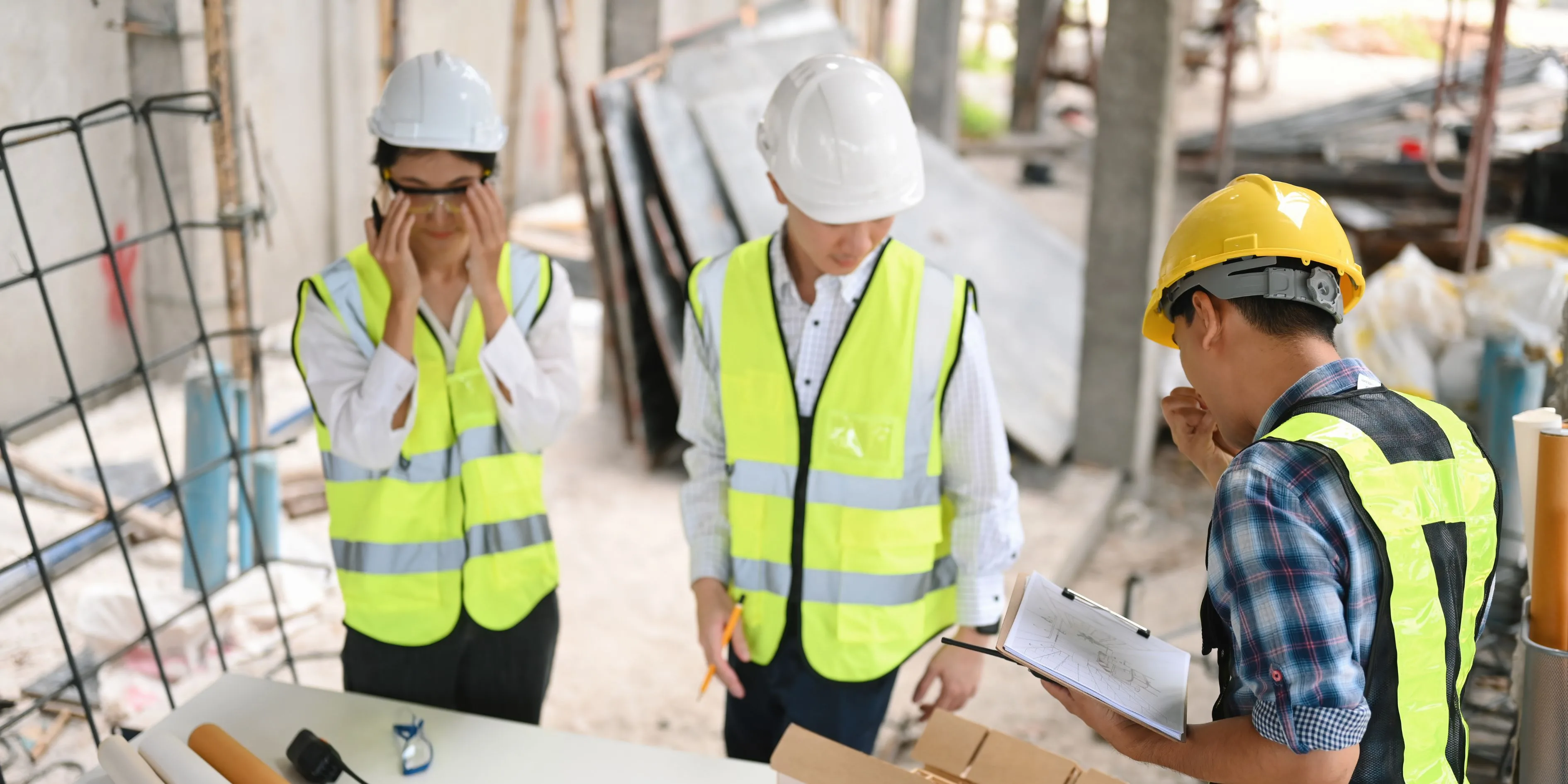
Home improvement projects involve more than selecting materials and setting a budget. The experience and attention to detail of the professionals completing the work can have a lasting impact on the final outcome.
A reliable contractor takes the time to understand the unique needs of each property. They communicate clearly, recommend practical solutions, and focus on delivering quality craftsmanship rather than rushing through the project.
Gorilla Building is committed to helping property owners create stronger, safer, and more efficient spaces through dependable construction services and a dedication to long-term value. Working with knowledgeable professionals provides confidence that every stage of the project is completed with care and precision.
Building for the Future
The needs of a household change over time. Families grow, energy costs fluctuate, and weather conditions become increasingly unpredictable. Planning improvements with the future in mind helps ensure that a home remains comfortable and functional for years to come.
Investments in structural protection and energy efficiency can also increase resale value. Buyers often appreciate properties that have been carefully maintained and upgraded with durable materials and modern systems. Features that reduce future maintenance or operating costs are especially attractive in today's market.
By making thoughtful improvements now, homeowners can enjoy immediate benefits while preparing their property for the years ahead.
Small Upgrades Can Deliver Big Results
Not every improvement requires a complete renovation. In many cases, a series of smaller updates can have a meaningful impact on comfort and efficiency. Sealing air leaks, improving attic insulation, upgrading ventilation, or replacing aging components may significantly reduce energy waste.
Regular maintenance is equally important. Cleaning gutters, inspecting flashing, checking attic spaces, and servicing heating and cooling equipment all contribute to the long-term health of a property. These simple steps help extend the life of major systems while reducing the likelihood of unexpected breakdowns.
Consistency is often the key to avoiding large repair bills. A little attention each season can prevent problems from developing into costly emergencies.
Creating a Home That Works Together
A well-performing home is not defined by one feature alone. It is the result of multiple systems working together to provide protection, comfort, and efficiency. The roof shields the structure from the elements, ventilation manages airflow and moisture, insulation reduces energy loss, and climate-control equipment keeps the indoor environment comfortable throughout the year.
When homeowners understand these connections, they can make more informed decisions about maintenance and upgrades. Rather than reacting to problems after they appear, they can take proactive steps that improve the overall health and value of the property.
Building improvements should never be viewed as isolated projects. The best results come from creating a complete system where every component supports the next. With thoughtful planning, quality materials, and skilled workmanship, any home can become more durable, efficient, and enjoyable for the people who live there.
Frequently Asked Questions
1. Why is a strong roof important for overall home performance?
A durable roof protects against weather damage, helps control indoor temperatures, and prevents moisture from entering the structure, reducing the risk of costly repairs.
2. How often should homeowners schedule a roof inspection?
Most experts recommend having a professional inspection at least once a year and after severe storms to identify any hidden damage.
3. Can better insulation help lower energy bills?
Yes. Proper insulation reduces heat loss during colder months and limits heat gain in the summer, helping heating and cooling systems operate more efficiently.
4. What are the warning signs that a home may need major upgrades?
Common signs include recurring leaks, rising utility costs, uneven room temperatures, moisture problems, and aging building materials.
5. Is preventative maintenance really worth the investment?
Preventative maintenance helps identify small issues before they become major repairs, often saving homeowners significant time and money over the long term.
6. Why should homeowners think about multiple building systems together?
Because the roof, insulation, ventilation, and indoor comfort systems all affect one another. Coordinating upgrades can improve efficiency, reduce costs, and create a more comfortable living environment.