Funeral rituals reflect how families express love, respect for the memory during loss. In Singapore, Chinese or Buddhist traditions offer meaningful ways to honour the departed. These customs may appear similar at first, yet they follow different beliefs with actions. In a Buddhist funeral in Singapore, prayers to chants guide the soul towards peace with clarity. Meanwhile, Chinese rites focus on ancestral duty with family roles. By understanding these differences, families can choose rituals that feel right, while also finding comfort, unity, with purpose during a difficult time.
Core Beliefs Behind Each Rite
- Firstly, respect for ancestors shapes Chinese customs.
- Meanwhile, the teachings of rebirth guide Buddhist rites
- Above all, family duty stands at the centre of both
A Chinese custom funeral draws strength from tradition for family ties. In this way, it honours lineage to show care through set acts. By contrast, a Buddhist service follows the Dharma. Because life moves in cycles, chants aim to calm the mind with support the next rebirth. Therefore, while both honour the dead, belief guides each ritual choice.
View of Life or Death
In Chinese belief, death marks a passage that keeps family bonds alive. As a result, rituals protect harmony between worlds. On the other hand, Buddhist belief views death as one step in a longer journey. Thus, prayers focus on release from suffering. In turn, these views shape how families act during the funeral.
Ritual Flow with Ceremony Style
- To begin with, Chinese rites follow fixed customs.
- In contrast, Buddhist services centre on chanting
- Consequently, timing follows belief with tradition.
Chinese rites unfold through stages that mark respect on duty. At the same time, family members follow roles that tradition assigns. A Chinese funeral in Singapore may include wake rituals that last several days. Meanwhile, Buddhist services focus on sutra recitation with mindful silence. Therefore, monks lead prayers that seek clarity for the departed soul, while family members listen to reflect.
Length of the Wake
Generally, Chinese wakes last longer because each day allows relatives to pay respect. In doing so, each visit strengthens family bonds. Conversely, Buddhist wakes stay shorter. Instead, the focus remains on chanting sessions that guide the mind towards peace. Hence, time reflects purpose in each rite.
Role of Chanting Prayers
- Notably, chants guide the soul.
- At the same time, prayers calm the living.
- Overall, sound shapes the ceremony
In Buddhist rites, chanting forms the heart of the service. Through this practice, monks recite sacred texts that teach impermanence. As a result, these sounds help the soul move forward. In comparison, Chinese custom funeral uses prayers in a different way. Specifically, they invite ancestors to receive offerings to protect the family. Thus, sound carries meaning in both paths.
Meaning Behind the Words
On one side, Buddhist chants carry lessons of compassion with wisdom. For this reason, each verse aims to reduce attachment. On the other side, Chinese prayers speak of gratitude to duty. In turn, they remind the family of shared roots. Consequently, words shape both belief with action.
Symbols, Dress, Offerings
- Traditionally, white clothing shows mourning.
- Likewise, incense carries prayers.
- Similarly, food offerings express care.
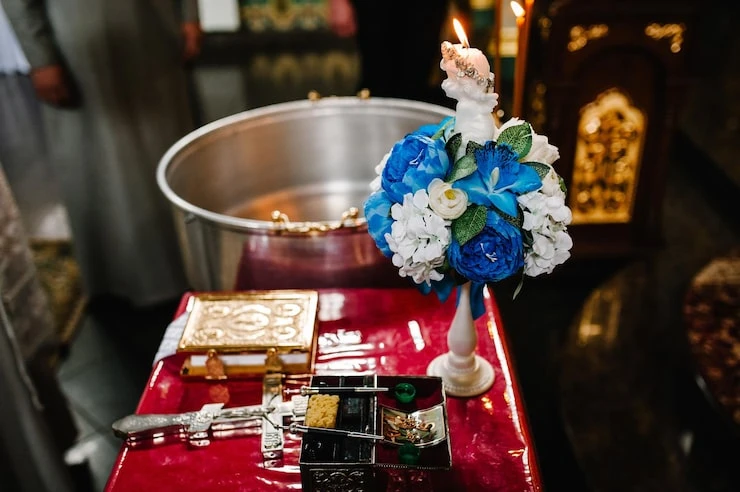
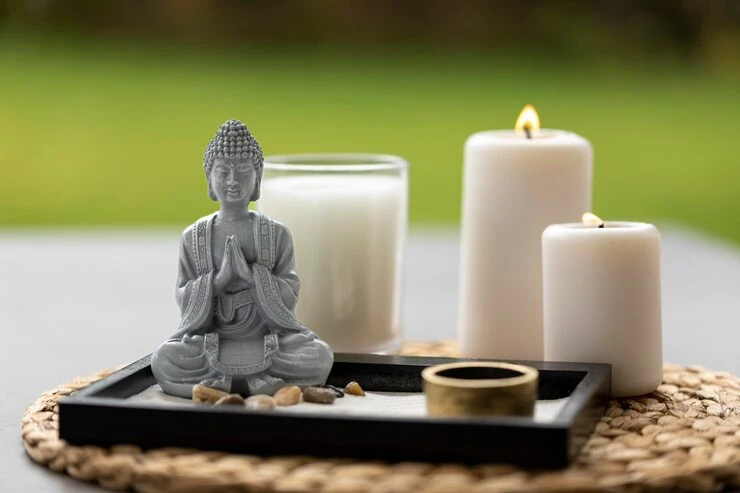
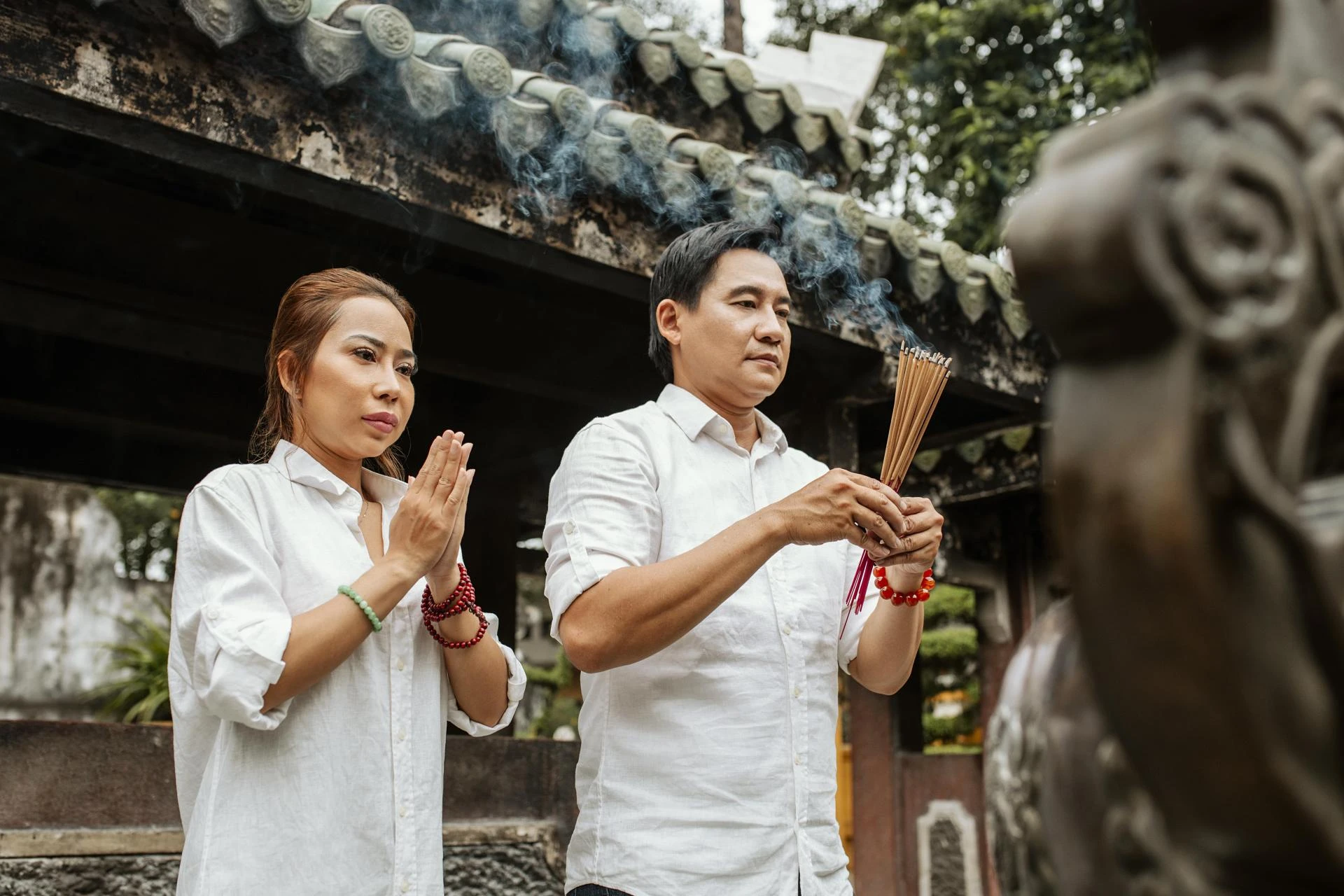
Chinese funerals use symbolic items like joss paper with candles. Through these acts, families show care for ancestors in the spirit world. Meanwhile, Buddhist rites use simple offerings such as flowers with fruit. Because these items reflect impermanence with purity, they support Buddhist teaching. Even so, while symbols differ, both paths express love through visible signs.
Clothing or Colours
In Chinese tradition, white clothing marks grief. Therefore, it signals respect or loss. Likewise, Buddhist services favour plain attire. By doing so, a simple dress helps reduce focus on the self. In both cases, clothing supports the mood of reflection.
Family Roles with Responsibilities
- Firstly, elders guide rituals.
- Next, children show respect.
- Finally, unity shapes the farewell.
In Chinese rites, family members play clear roles. Most often, elders lead rituals, while younger members follow. Through each act, respect flows across generations. In Buddhist services, family presence matters more than action. Instead, relatives sit, listen, to reflect. Even so, shared attendance still shows support with care.
Duty Across Generations
Within Chinese customs, filial duty holds strong value. Accordingly, children honour parents through action. In contrast, Buddhist practice values intention. Thus, the presence of calm thought carries meaning. Even so, both paths teach respect, though they express it in different ways.
Role of Religious Guides
- In Buddhist rites, monks lead services.
- In Chinese customs, ritual masters guide acts.
- Together, guidance brings structure.
During Buddhist services, monks guide chants or prayers. Because of their training, the rite flows with calm order. Meanwhile, in Chinese funerals, ritual masters direct each step. As a result, customs follow tradition with care. In both cases, guidance helps families feel steady during grief.
Source of Authority
Buddhist guides draw authority from scripture to teaching. In contrast, Chinese funeral in Singapore rely on ancestral practices. Even so, each source offers comfort through structure or knowledge.
Food, Offerings, with Shared Meals
- To start, food symbolises care.
- Next, meals bring families together.
- In turn, sharing builds comfort.
Chinese funerals often include food offerings for the departed. Because families believe the spirit receives these gifts, the act holds meaning. At the same time, shared meals support mourners. In Buddhist rites, food serves as an offering of respect rather than need. Therefore, meals focus on the living, helping them gather to reflect.
Meaning of Offering Food
In Chinese belief, food sustains the spirit. By comparison, Buddhist thought sees food as a sign of generosity. Still, both acts express love, though belief shapes meaning.
Closing Rites with Final Farewell
- First, final acts mark transition
- Then, rituals guide release.
- Ultimately, farewell brings closure
Chinese rites close with acts that send the spirit onward. Often, families burn symbolic items to show care. Meanwhile, Buddhist services end with merit dedication. Through this act, goodwill reaches the departed. In both cases, endings guide release with closure.
Meaning of the Last Rite
The final Chinese act strengthens ancestral ties. In contrast, the Buddhist closing focuses on compassion beyond self. Thus, each farewell reflects belief.
Final Thought
Choosing a funeral rite often depends on belief, family values, with tradition. Each ritual, whether Chinese or Buddhist, offers a clear path to honour life to accept loss. In a Buddhist funeral in Singapore, calm reflection with chanting helps families embrace impermanence with grace. Chinese customs, in contrast, strengthen bonds through visible acts of respect. Although the practices differ, both traditions share care, dignity, to remembrance. With understanding, families can move forward with peace, knowing they have honoured their loved one in a meaningful way.
Frequently Asked Questions
Q 1: Can families combine elements from both traditions in one funeral?
Some families choose to blend rituals to reflect shared beliefs. However, they often seek guidance to ensure each practice stays respectful and clear, while also maintaining harmony throughout the ceremony.
Q 2: Why do Chinese funerals often last longer than other services?
Chinese customs value extended wakes because they allow relatives time to gather, show respect, and support one another. This longer period helps families honour duty and strengthen bonds during mourning.
Q 3: How do these funeral rites help families cope with grief?
Each tradition offers structure during loss. Rituals give families a sense of purpose, shared moments, and emotional release, which together support healing and acceptance over time.