
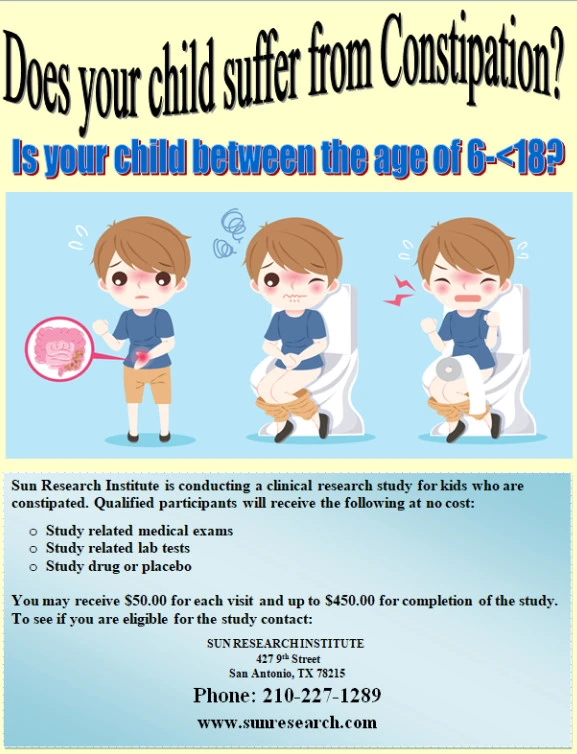
Pediatric constipation is a common yet often misunderstood condition affecting children of all ages. The problem is not only physically distressing but also emotionally challenging for both children and their parents. Recent advancements in research have brought new insights into pediatric constipation, shedding light on its causes, treatments, and long-term management strategies. In this article, we delve into the latest findings from pediatric constipation research studies and explore how they offer new solutions for better treatment.
Understanding Pediatric Constipation
Before diving into the latest research, it's important to understand what pediatric constipation is. Constipation in children is defined as infrequent, difficult, or painful bowel movements. While the frequency of bowel movements can vary by age and diet, when a child experiences difficulty passing stools or goes more than a few days without a bowel movement, it may be considered constipation.
The symptoms of pediatric constipation may include:
- Infrequent bowel movements (fewer than three times per week)
- Hard, dry stools
- Pain during bowel movements
- Abdominal discomfort or bloating
- Soiling accidents (in some cases)
It's essential to recognize that constipation can affect children of all ages, from infants to teenagers, and its causes can vary. In some cases, it may be due to diet, dehydration, lack of physical activity, or stress. However, it can also be a symptom of underlying medical conditions, such as gastrointestinal disorders or neurological issues.
The Importance of Pediatric Constipation Research Studies
Pediatric constipation is a growing concern, and researchers have been working to better understand its causes, risk factors, and treatment options. Over the years, numerous medical studies have been conducted to investigate the different facets of pediatric constipation, leading to more effective and targeted treatments.
The latest pediatric constipation research study offers valuable insights that can revolutionize the way this condition is managed. These studies focus on the role of diet, lifestyle, medical interventions, and even psychological factors in the development and treatment of pediatric constipation. Additionally, they explore the long-term outcomes of children who experience chronic constipation, highlighting the importance of early intervention and consistent management.
New Findings from Pediatric Constipation Research
The recent pediatric constipation research study has introduced several groundbreaking findings that are transforming how doctors and caregivers approach this condition.
- Dietary Influences on Constipation
- One of the most significant insights from the latest research is the impact of diet on pediatric constipation. The study has confirmed that a diet low in fiber and high in processed foods is a major contributor to constipation in children. Foods such as white bread, chips, and sugary snacks can slow down the digestive process and lead to harder stools. On the other hand, a high-fiber diet, which includes fruits, vegetables, and whole grains, can help regulate bowel movements and prevent constipation. The research emphasizes the need for caregivers to incorporate more fiber-rich foods into children's meals for better digestive health.
- The Role of Hydration
- Another crucial finding is the importance of hydration in managing pediatric constipation. Water plays a vital role in softening stools and promoting regular bowel movements. Children who do not drink enough water are more likely to experience constipation. The study recommends that parents encourage their children to drink adequate amounts of water throughout the day to prevent dehydration and promote healthy bowel function.
- Behavioral and Psychological Factors
- The latest research also highlights the role of behavioral and psychological factors in pediatric constipation. Stress, anxiety, and a negative relationship with toilet training can contribute to constipation. In some cases, children may develop a fear of using the toilet due to painful bowel movements, leading them to withhold stool. This, in turn, exacerbates the problem. The study suggests that addressing psychological factors and using positive reinforcement during toilet training can help reduce the risk of constipation.
- Medical Interventions and Treatments
- The study has also provided new insights into medical treatments for pediatric constipation. Traditional treatments include the use of laxatives, stool softeners, and enemas, but the research shows that these should only be used under medical supervision and for a limited time. Newer treatments, such as biofeedback therapy and prokinetic agents, are gaining traction as effective methods for managing chronic constipation in children. The study advocates for a more personalized approach to treatment, considering each child's unique needs and circumstances.
- Long-Term Effects and Outcomes
- One of the most significant findings from the pediatric constipation research study is the long-term effects of untreated constipation. Children who experience chronic constipation may face ongoing gastrointestinal issues, as well as developmental and psychological challenges. By addressing constipation early, the risk of these long-term outcomes can be minimized. The study emphasizes the importance of early diagnosis and consistent management of constipation to prevent it from becoming a chronic issue.
Medical Studies San Antonio: A Hub for Pediatric Constipation Research
San Antonio, Texas, is quickly becoming a hub for medical research, including studies on pediatric constipation. Medical studies in San Antonio are contributing to the growing body of knowledge about childhood gastrointestinal issues and offering new solutions for treatment. Researchers in this area are focusing on understanding the underlying causes of pediatric constipation, as well as developing more effective treatment options.
Several medical institutions in San Antonio are conducting clinical trials to test the effectiveness of new medications and therapies for pediatric constipation. These studies are playing a critical role in advancing our understanding of the condition and improving outcomes for children.
Solutions and Treatment Options for Pediatric Constipation
With the insights gained from the latest research, there are now more solutions and treatment options available to help children manage constipation.
- Dietary Modifications
- As mentioned earlier, increasing fiber intake is a key solution for preventing and managing pediatric constipation. Parents should focus on incorporating more fruits, vegetables, and whole grains into their children's diets. Additionally, reducing the consumption of processed foods and sugary snacks can help maintain digestive health.
- Hydration and Regular Activity
- Ensuring that children drink enough water and engage in regular physical activity is another important solution. Parents should encourage their children to drink water throughout the day and promote outdoor activities, such as walking, biking, or playing sports, to help stimulate bowel movements.
- Toilet Training and Behavioral Support
- Positive toilet training techniques can play a crucial role in preventing constipation. Parents should create a relaxed and supportive environment for their children when it comes to using the toilet. Behavioral therapy and counseling may also be helpful for children who have developed anxiety or fear related to bowel movements.
- Medical Treatment
- In cases where dietary changes and behavioral strategies are not enough, medical treatment may be necessary. Laxatives, stool softeners, and other medications may be prescribed by a pediatrician to help relieve constipation. However, these should be used with caution and under the guidance of a healthcare professional.
Conclusion
The latest pediatric constipation research study has provided valuable insights into the causes and solutions for this common condition. By focusing on dietary changes, hydration, behavioral support, and medical treatment, parents can help their children manage constipation and improve their overall digestive health. As medical studies continue to evolve, we can expect even more effective treatments and solutions to emerge, ensuring that children who suffer from constipation receive the best possible care.
Early intervention is key to preventing long-term complications, so it's essential for parents to be aware of the symptoms and seek medical advice if necessary. With ongoing research and improved understanding, we can look forward to better outcomes for children affected by pediatric constipation.