Tooth decay is a progressive process that begins long before a physical hole, or cavity, appears in a tooth. It starts when the protective outer layer, known as the enamel, is subjected to acid attacks from bacteria living in the mouth. These bacteria feast on sugars and starches from food, producing acids that slowly dissolve the mineral structure of the tooth.
If left unchecked, this demineralization penetrates deeper into the dentin and can eventually reach the pulp, where the nerves and blood vessels reside. Professional dental treatments are designed to intervene at various stages of this process, either by reinforcing the tooth’s natural defenses or by removing damaged tissue to stop the spread of infection. Seeking regular care at a trusted dental clinic in udaipur ensures that these issues are identified early, often before they become painful or expensive to fix.
Professional Cleaning and Preventive Maintenance
The foundation of cavity prevention lies in professional dental cleanings. Even with diligent brushing and flossing at home, plaque—a sticky film of bacteria—can harden into tartar or calculus. Tartar cannot be removed by a toothbrush and provides a porous surface that traps more bacteria against the tooth, accelerating decay.
During a professional treatment, dental hygienists use specialized tools to scale away tartar from the gum line and between teeth. This process significantly reduces the bacterial load in the mouth. Furthermore, many preventive visits include fluoride treatments. Fluoride works by incorporating itself into the enamel structure, making it more resistant to acid and even helping to "remineralize" small soft spots before they turn into full-blown cavities.
The Role of Restorative Treatments in Halting Decay
When a cavity has already formed, preventive measures shift toward restorative care. The goal of a filling or a crown is to remove the decayed portion of the tooth and seal the area to prevent bacteria from re-entering. By cleaning out the infection and replacing it with durable materials like composite resin or porcelain, dentists preserve the structural integrity of the tooth.
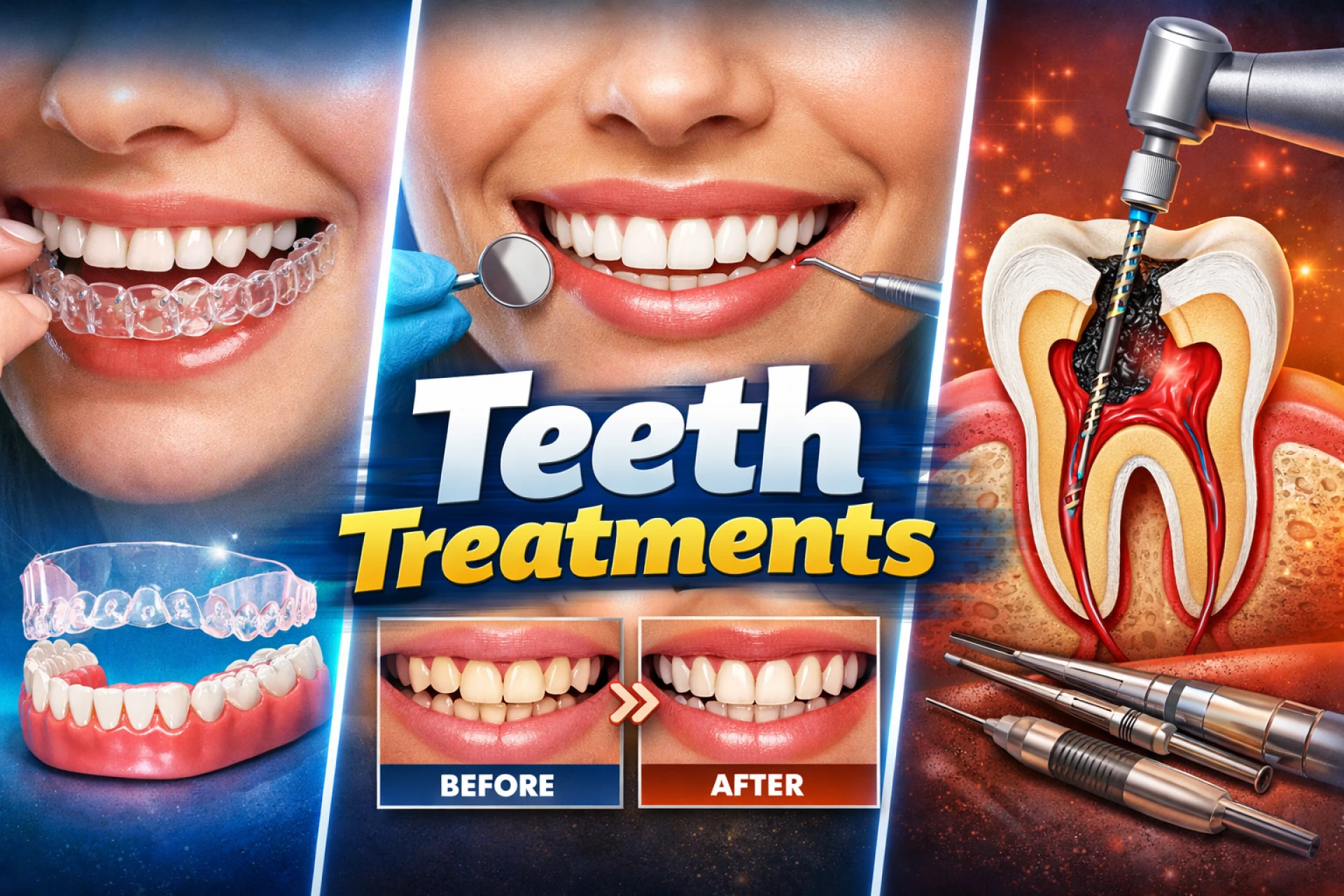
In cases where the decay has moved deep into the inner chambers of the tooth, more intensive intervention is required. To save a tooth that would otherwise need to be extracted, a dentist may perform a root canal treatment in udaipur. This procedure removes the infected pulp, disinfects the canals, and seals the tooth, effectively stopping the decay from spreading to the jawbone or neighboring teeth.
Alignment and Its Impact on Oral Health
Many people view orthodontics as a purely cosmetic endeavor, but the alignment of teeth plays a critical role in preventing decay. When teeth are crowded, overlapped, or rotated, they create "trap" zones where food particles and plaque accumulate. These areas are notoriously difficult to clean with standard hygiene tools, making them breeding grounds for cavities.
Modern solutions allow patients to straighten their teeth discreetly. For instance, opting for invislign treatment in udaipur allows for easier cleaning because the aligners are removable. Straight teeth are fundamentally easier to brush and floss, which reduces the long-term risk of interproximal decay (cavities between teeth) and gum disease.
Comprehensive Smile Care as a Preventive Strategy
Modern dentistry emphasizes the connection between function and aesthetics. When a patient undergoes a comprehensive plan to fix damaged, missing, or misaligned teeth, they are doing more than just improving their appearance. They are creating a healthier oral environment.
At Agarwal Dental Clinic, the focus is on providing holistic care that addresses the root causes of dental issues. Whether a patient requires simple fillings or a more complex smile correction treatment in udaipur, the underlying objective remains the same: creating a balanced, functional bite that minimizes wear and tear on the enamel. When teeth are properly positioned and restored, the risk of hidden decay is significantly lowered, as there are fewer crevices for bacteria to hide.
The Importance of Early Intervention
The most effective way to prevent tooth decay is to never give it a chance to progress. Early intervention through diagnostic tools like digital X-rays and intraoral cameras allows dentists to see what the naked eye cannot. Detecting a "micro-cavity" allows for minimally invasive treatments that require less drilling and preserve more of the natural tooth structure.
Furthermore, sealants are a highly effective treatment for preventing decay in the deep grooves of the molars. By applying a thin, protective coating over the chewing surfaces, dentists can "seal out" food and acid. This is particularly beneficial for children and teenagers, but adults can also benefit from this layer of protection against the bacteria that cause tooth decay.
Long-Term Benefits of Regular Dental Visits
Consistency is the most vital component of oral health. Beyond the immediate removal of plaque and the repair of cavities, regular dental visits allow for a personalized risk assessment. Dentists can identify lifestyle factors—such as diet or dry mouth—that may be contributing to an increased rate of decay.
By staying proactive and utilizing the full range of modern dental treatments, you can maintain your natural teeth for a lifetime. Professional care does not just fix problems; it builds a barrier between your teeth and the daily stresses of bacteria and acid. Entrusting your oral health to experienced professionals ensures that your smile remains bright, functional, and, most importantly, free from the pain of tooth decay.