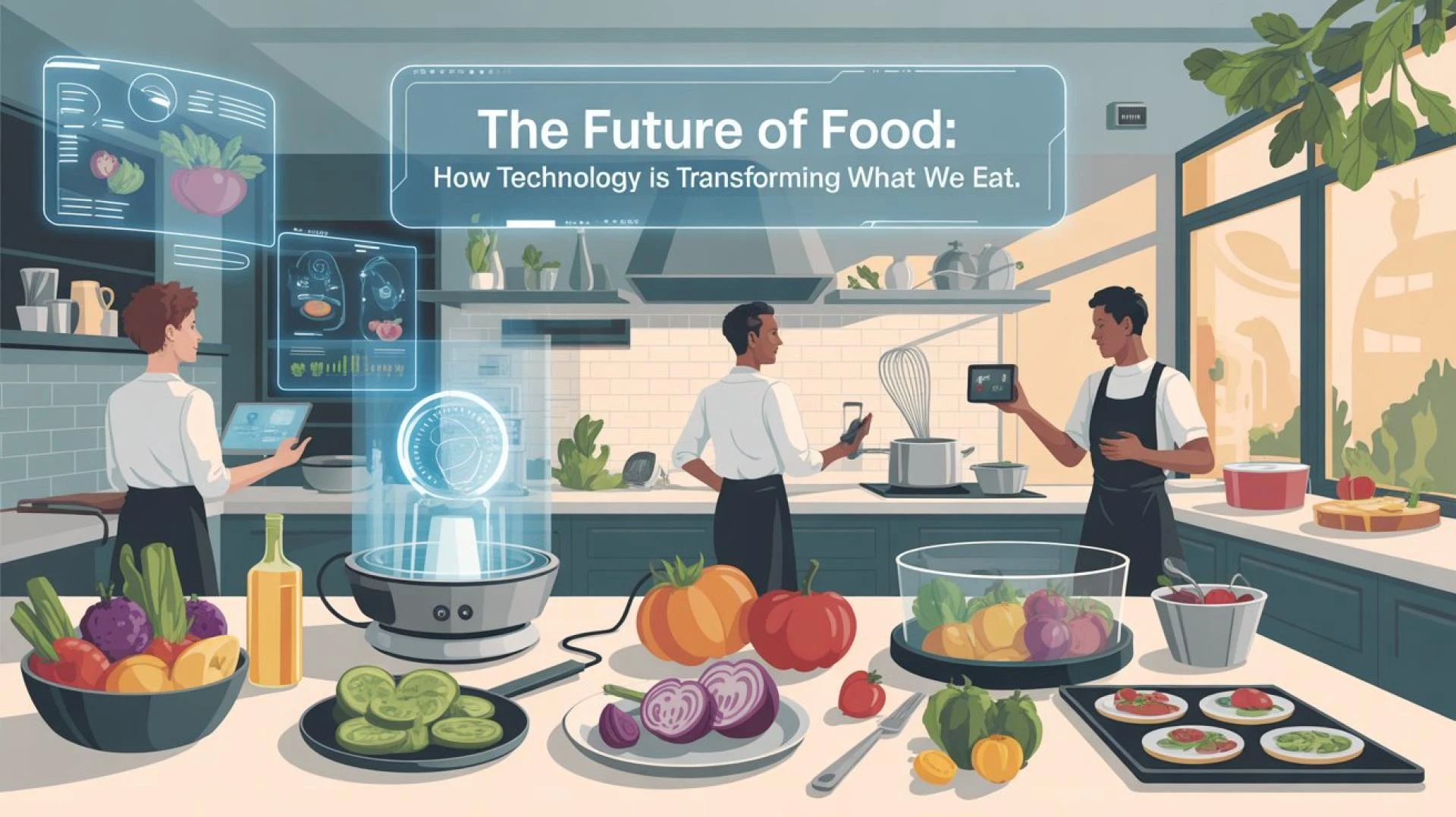
From farm fields to dining tables, technology is reshaping the way we grow, distribute, and consume food. What was once a traditional, manual process has evolved into a sophisticated ecosystem powered by data, automation, and innovation.
Today, the global food industry stands at the crossroads of sustainability, efficiency, and digital transformation — a moment that will define how future generations eat and live.
Smart Farming: Where It All Begins
The food revolution starts long before ingredients reach the market. Farmers are now using smart technologies like IoT sensors, AI-powered drones, and satellite imaging to monitor soil health, track crop growth, and optimize irrigation.
These tools help reduce water waste, boost productivity, and ensure better-quality harvests — all while cutting costs and improving environmental outcomes.
For instance, smart irrigation systems can automatically adjust water flow based on weather data and soil moisture, saving up to 40% of water compared to traditional methods.
Food Processing 2.0: Cleaner, Faster, Smarter
Once crops leave the field, automation and robotics take center stage in modern food processing facilities. Advanced machinery can now handle sorting, packaging, and quality checks with incredible precision — minimizing waste and contamination.
AI is being used to identify defects in fruits, vegetables, and grains in real time. This not only enhances safety but also ensures consumers get consistent, high-quality food products every time.
Even traditional sectors like poultry are seeing innovation — companies use automated systems to manage production efficiency and track factors that influence chicken rates across regions.
Smart Shopping and Personalized Nutrition
Technology isn’t just changing how food is made — it’s revolutionizing how we buy it. Online grocery apps, digital wallets, and AI-powered shopping assistants now make it easier to plan meals, find the best deals, and stick to healthy diets.
Modern consumers are also embracing personalized nutrition, where apps analyze their dietary needs, allergies, and fitness goals to create customized meal plans.
You can now scan a product’s barcode and instantly see its nutritional score, carbon footprint, and health impact — all before adding it to your cart.
Sustainability Through Innovation
Sustainability is no longer a buzzword — it’s a necessity.
To combat climate change and food insecurity, the world is turning to alternative protein sources, vertical farming, and lab-grown foods.
- Vertical Farming: Growing crops in climate-controlled buildings near cities to reduce transport costs and emissions.
- Plant-Based Proteins: Meat alternatives made from soy, pea, or fungi are cutting the environmental footprint of animal farming.
- Lab-Grown Meat: Scientists are producing real meat without raising animals, reducing land and water use by up to 90%.
These innovations may sound futuristic, but they’re already reshaping global food systems — making them more ethical and sustainable.
The Rise of AI in Food Decisions
Artificial Intelligence is not only helping farmers — it’s helping eaters too.
From predicting food trends to reducing kitchen waste, AI-based tools are empowering people to eat better and smarter.
For example:
- Recipe Apps now use AI to recommend dishes based on ingredients you already have.
- Smart Fridges can notify you when items are expiring and suggest ways to use them.
- AI Nutritionists provide meal recommendations tailored to your health metrics and preferences.
The result? A more informed, waste-free, and convenient approach to eating.
Conclusion: A Smarter Food Future
The future of food is not just about convenience — it’s about balance.
Technology is enabling us to eat more sustainably, reduce waste, and understand nutrition better than ever before.
From precision farming to AI-powered kitchens, innovation is leading a global food transformation that’s not only changing what we eat but also how we think about food itself.
If used responsibly, these advancements can create a world where healthy, affordable, and sustainable food is accessible to everyone.
FAQs
Q1: What is food technology and why is it important?
Food technology combines science and innovation to improve how food is grown, processed, stored, and consumed. It’s essential for global sustainability and food security.
Q2: How does AI affect food choices?
AI helps consumers make informed decisions by analyzing nutrition, health goals, and sustainability data for each product or meal.
Q3: What are some new trends in the food industry?
Key trends include plant-based diets, smart farming, lab-grown meat, personalized nutrition, and waste-reduction technologies.