
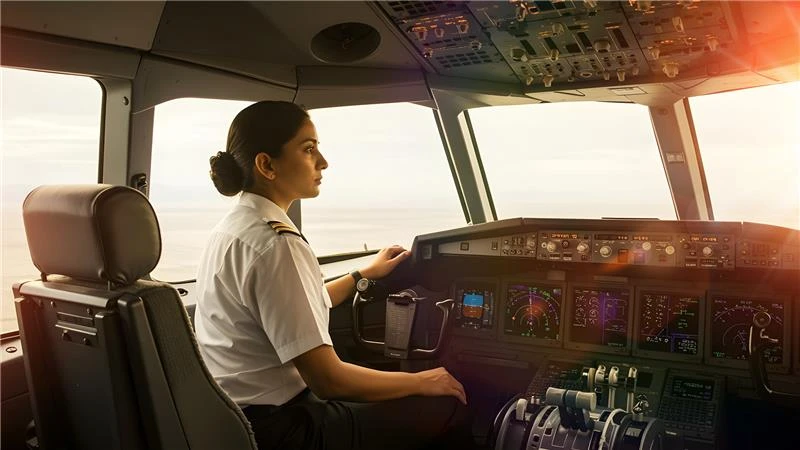
Pilot training is one of the most gratifying experiences a student can go through, but it's not without its challenges. Long hours of studying, grueling DGCA exams, early flights, and volatile weather may sometimes try a student pilot's patience and willpower. It's as crucial to remain motivated throughout pilot training as it is to develop technical flying abilities.
Whether you are training for your very first solo flight or seeking a commercial pilot license (CPL), below are some useful and inspiring tactics that can assist student pilots in overcoming bad days and emerging stronger.
1: Remember Why You Started
Each would-be pilot has their own story to tell. Perhaps it was an exhilaration at playing lookout as children watched planes soar into the air or the aspirations of flying for a major airline. On those difficult days, reflect back on that enthusiasm and attempt to recapture why you began in the beginning.
- Listen to videos of professional pilots talking about their experiences.
- Visualize yourself in the cockpit at 35,000 feet.
- Maintain a journal of objectives and note why you desire this profession.
- When your enthusiasm fades, recalling your "why" can spark it again.
2: Write Down Your Milestones
Pilot training seems daunting when you consider the whole process, from ground school to DGCA examinations, flying hours, and obtaining a license. Rather than viewing the larger picture daily, divide it into bite-sized, manageable steps.
- Celebrate completing each phase – be it mastering air navigation or logging 10 solo hours.
- Acknowledge progress with small rewards, like treating yourself to something special after passing an exam.
- By focusing on short-term wins, student pilots build confidence and momentum.
3: Build a Routine That Works for You
Flight school is about discipline. Establishing a regular daily schedule by dividing study sessions, simulator sessions, and physical exercises can make training less stressful.
- Utilize early morning hours for revision when your mind feels refreshed after a good night's sleep.
- Break regularly to prevent burnout during long study sessions.
- Rest above all. A rested pilot is always sharper and alert.
- A disciplined schedule keeps distractions away and ensures a good work-life balance.
4: Surround Yourself with Supportive People
Being alone with training can be isolating, but meeting other student pilots can really be good for your mental health. Sharing problems, tips, and achievements creates a feeling of belonging together.
- Create study groups for DGCA topics such as Meteorology and Air Regulations.
- Consult with older pilots or instructors for tips since they have done it all.
- Rely on friends and relatives for support, particularly when training becomes challenging.
- Keep in mind, motivation increases when you have people who will cheer you on.
5: Be Physically and Mentally Fit
A fit body contributes to a keen mind, which is vital for flying. Student pilots tend to downplay the importance of physical health in staying alert and avoiding stress.
- Daily exercise of just 20 minutes increases energy levels.
- Having proper meals and drinking plenty of water enhances concentration for long flights.
- Meditation or deep breathing exercises can reduce exam stress.
Having your best health can make that early morning flight or grueling simulator session much more bearable.
6: Visualize Your End Goal
Visualization is a tactic employed by athletes and pilots alike. Take a few minutes each day and visualize yourself flying successfully, passing your check rides, or being awarded your pilot wings.
- Confidence is built through positive mental conditioning.
- Visualization may enable you to do better when things get tough, such as first solos or difficult simulator exams.
- Visualizing your success in your own mind can also keep you going through pilot training.
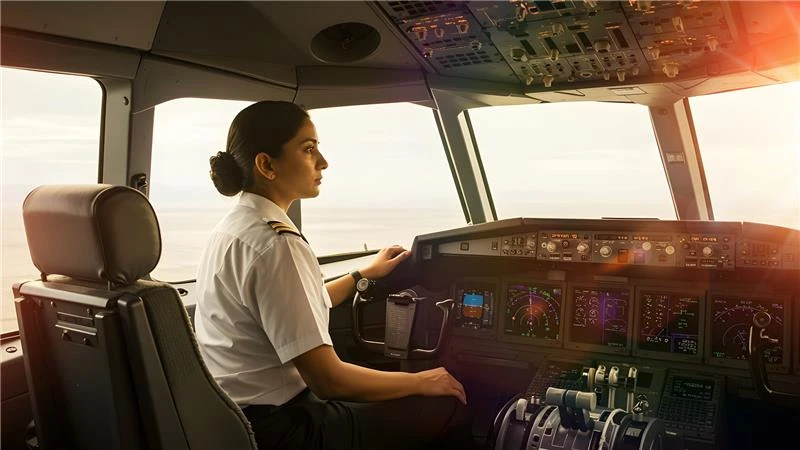
7: Adopt the Learning Curve
No pilot is flawless on day one. Pilot training includes mistakes and moments when it all seems to be going slowly. Rather than being disappointed, view each mistake as a lesson.
- Seek constructive criticism from your instructors.
- Focus on what you have improved rather than what went wrong.
- Remember, even airline captains started as student pilots.
Keeping a positive attitude towards challenges will make the journey much more enjoyable.
8: Keep Your Eyes on the Bigger Picture
When tricky weather knocks out flying time or an exam seems too much, look at the grand scheme: you are training for one of the most glamorous jobs on the planet. The world from the cockpit window, the rush of lift-off, and the sense of pride in donning a pilot uniform are worth all the hassle you will experience learning.
The Way Forward
It's not only technical skills - being a pilot is about passion, determination, and concentration. All student pilots have difficult days, but keeping themselves motivated makes all the difference between people dreaming to fly and people who actually do take to the air.
If you have finally cleared your DGCA Class 1 medical and are now ready to take it all the way, you can consider enrolling with a trusted flying school such as Garuda Aviation, which offers structured training programs for aspiring pilots, including those aiming for the IndiGo Cadet Pilot Program.
With the right mindset and proper guidance, your dream of becoming a pilot is not too far!