Across India’s rapidly expanding industrial landscape, material handling facilities are becoming more complex, more automated, and significantly larger in scale. With this growth comes a heightened need for structures that can withstand heavy loads, challenging environments, and 24/7 operational pressure. Methods India has been at the forefront of this requirement, offering engineering expertise that blends strength, durability, and precision—qualities essential for facilities handling millions of tons of raw material each year.
Modern industries understand that equipment alone cannot sustain long-term performance. The supporting structures—trusses, gantries, trestles, conveyor galleries, and storage frameworks—play an equally critical role. This realization has created a stronger reliance on experienced bulk material handling equipment manufacturers who can design systems built upon structurally sound foundations.
Why Structural Engineering Is Now a Core Industrial Priority
Earlier, structural design was considered a secondary part of project planning. Today, it is central to overall plant performance. Industrial loads have multiplied, and safety standards have become far stricter. A single structural failure can disrupt operations, cause financial loss, and compromise worker safety.
Key Reasons for Its Growing Importance
- Increasing plant capacities requiring stronger load-bearing structures
- Need for weather-resistant and corrosion-proof fabrication
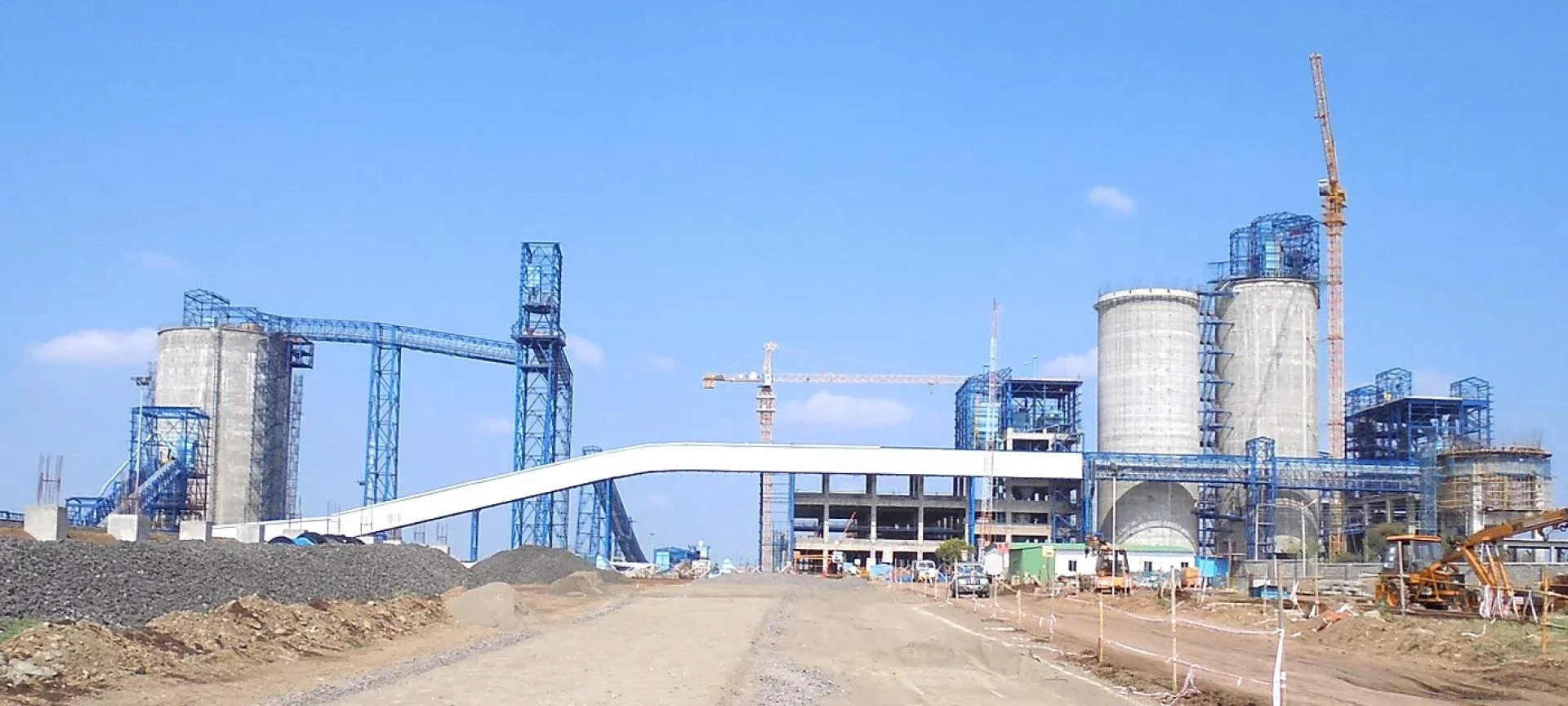
- Larger conveyor galleries running across uneven terrains
- Higher safety benchmarks and compliance requirements
- Demand for long-life structures with minimal maintenance
Methods India has responded to these demands with engineering solutions that integrate mechanical systems seamlessly into robust structural frameworks.
Methods India’s Approach to Structural Excellence
The company’s engineering philosophy revolves around designing structures that support efficiency, stability, and long-term performance.
Core Capabilities
- Precision-driven design powered by advanced structural modeling
- Fabrication aligned with global engineering standards
- Integration of conveyors, feeders, and transfer points into rigid frameworks
- High-strength assemblies engineered by expert structural steel fabricators
- Rigorous quality checks throughout manufacturing and installation
These capabilities ensure that every system installed by Methods India operates on a secure and dependable structural base.
The Role of Structural Engineering in Improving Operational Efficiency
Well-designed structures simplify maintenance, prevent equipment misalignment, and reduce mechanical wear. This directly impacts plant productivity.
Operational Advantages
- Improved material flow due to stable conveyor alignment
- Reduced vibration and mechanical stress on equipment
- Lower risk of unplanned shutdowns
- Enhanced worker safety during operations and inspections
- Better adaptability for future plant expansion
Such benefits make structural engineering a crucial contributor to overall plant efficiency.
Future Trends Shaping Structural Design in Material Handling
As industries evolve, structural engineering is expected to embrace new technologies and methodologies.
Emerging Trends
- Lightweight yet high-strength materials for faster installation
- Modular construction for easier on-site assembly
- Digital simulations to predict long-term structural behavior
- Sustainability-driven fabrication practices
- Smart structures integrated with real-time monitoring sensors
Conclusion
Industrial facilities will continue to grow in size and complexity, but their performance will depend heavily on the strength of supporting structures. With its comprehensive engineering expertise, Methods India remains a trusted partner, ensuring that every material handling system stands on a foundation engineered for endurance, safety, and future scalability.