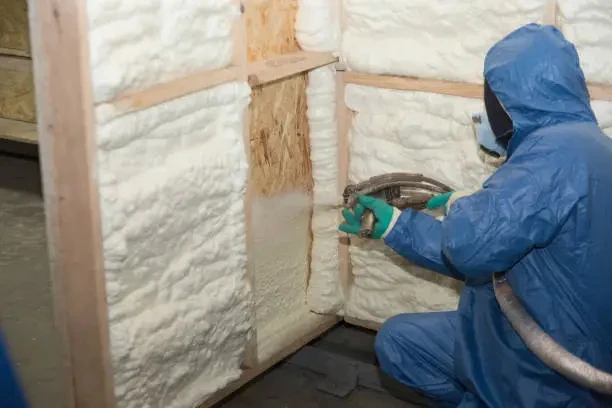
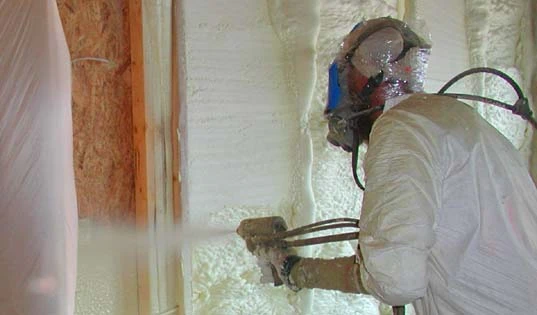
Spray foam insulation in Carol Stream protects homes by creating a seamless, airtight barrier that prevents uncontrolled air leakage and moisture infiltration. Unlike traditional materials that only slow down heat transfer, spray foam expands to fill cracks and gaps, effectively sealing the building envelope against the harsh temperature fluctuations typical of Illinois weather. This dual action of insulating and air sealing stops drafts, reduces the workload on HVAC systems, and maintains a consistent indoor temperature year-round.
Residents in the western suburbs of Chicago often face high energy bills because older insulation fails to withstand extreme seasonal changes. A comprehensive spray foam application solves this by addressing the root cause of energy loss, which is often air movement rather than just poor thermal resistance. Certified installers use building science principles to ensure the home remains comfortable and structurally sound regardless of the weather outside.
The Mechanics of Total Home Protection
Effective insulation does more than just keep a house warm in winter; it acts as a shield for the entire structure. Spray foam works by adhering directly to the substrate, whether it is wood, concrete, or metal, and expanding to create a custom fit. This eliminates gaps and compression issues frequently found with fiberglass batts or cellulose insulation.
When professionals apply spray foam, they are weatherproofing the living space. The material blocks the entry of outdoor pollutants, allergens, and humidity, which contributes to a healthier indoor environment. This level of protection helps extend the lifespan of heating and cooling equipment by reducing run times.
Stopping the Stack Effect
One of the primary ways heat escapes a home is through the stack effect. In winter, warm air rises to the top of the house and escapes through unsealed gaps in the attic. This creates a vacuum that pulls cold air in from the basement or crawlspace.
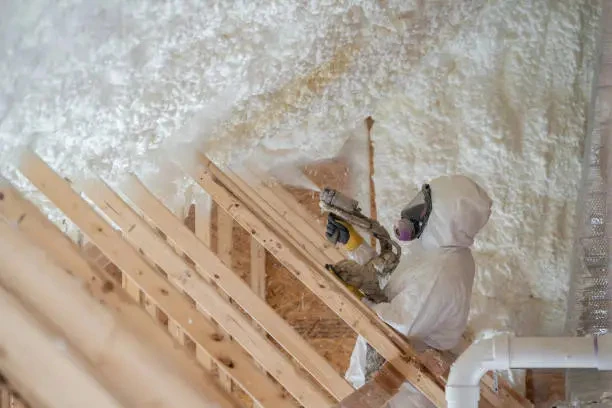
Spray foam applied to the attic floor or roof deck stops this cycle immediately. By sealing the top of the structure, the pressure dynamic neutralizes, keeping the warm air inside where it belongs. This simple change can dramatically improve comfort throughout the house.
Reducing Moisture and Mold Risks
Carol Stream experiences humid summers and wet springs, creating conditions ripe for mold growth. Moisture often enters wall cavities through small air leaks, where it condenses on cool surfaces. Over time, this trapped moisture can rot wood framing and degrade insulation.
Closed-cell spray foam acts as a vapor retarder, preventing moist air from reaching the home's structural elements. This barrier keeps the wall cavities dry and reduces the risk of mold developing behind the drywall. It serves as a proactive measure to preserve the property's structural integrity.
Bonus TipCheck the attic access point. Even with excellent insulation, a gap around the attic hatch allows significant air leakage. Installers often treat the hatch door with rigid foam and weatherstripping to complete the seal.
Adapting to the Illinois Climate
The local climate in Northern Illinois presents specific challenges that require robust insulation strategies. Winters can bring sub-zero temperatures, while summers are often hot and humid. A home must be able to resist heat flow in both directions to remain energy efficient.
Local building codes and energy standards have evolved to reflect these demands. Modern spray foam applications meet or exceed these requirements, offering a long-term solution for temperature control. Installers familiar with the region know exactly how thick the foam needs to be to prevent condensation on roof decks during freezing weather.
Winter Defense Against Ice Dams
Ice dams form when heat from the attic melts the snow on the roof. This water runs down to the cold eaves and refreezes, creating a dam that can back up under shingles and cause leaks. This is a common issue for homeowners in the Carol Stream area.
By sealing the attic with spray foam, the roof deck stays cool, preventing uneven melting of the snow. This approach stops ice dams at their source rather than just treating the symptoms. It protects the roof, gutters, and interior ceilings from water damage.
A Note on Roof VentilationWhen applying foam to the roof deck, the attic becomes a conditioned space. This means traditional passive ventilation is no longer needed, and the space stays within a few degrees of the living area temperature.
Comparing Insulation Performance
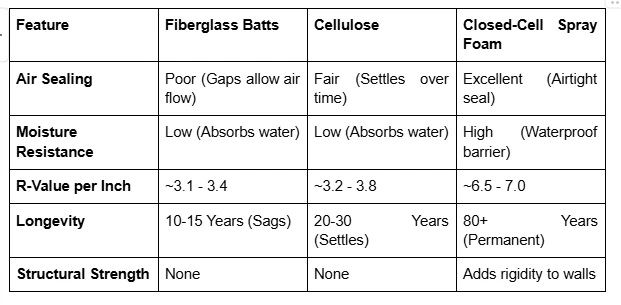
Homeowners often weigh the upfront cost of spray foam against cheaper alternatives. However, performance metrics show that spray foam offers superior protection and longevity. The following table outlines how different materials stack up in the local environment.
Things to Consider Before Making a Decision
Before committing to an insulation upgrade, property owners should evaluate several factors regarding their home and long-term plans. Making an informed choice ensures the investment aligns with specific comfort and savings goals.
- Current Energy Bills: Review the last twelve months of utility costs to identify seasonal spikes that indicate insulation failure.
- Length of Ownership: Consider how long you plan to stay in the home. The return on investment for spray foam typically takes 3 to 5 years through energy savings.
- Home Age and Construction: Older homes in Carol Stream may have 2x4 framing, which offers limited space for insulation. Spray foam provides a higher R-value per inch, making it ideal for shallow wall cavities.
- Existing Wiring and Plumbing: Ensure all electrical and plumbing work in the walls is up to date, as the foam will permanently cover these components.
Questions People Ask About Spray Foam Insulation
Many residents have specific questions about how this technology fits into their existing homes. Addressing these common inquiries helps clarify the process and benefits.
Is spray foam safe for existing homes?
Yes, retrofit applications are familiar and safe. Installers drill small holes in exterior or interior walls to inject the foam, or they apply it directly in open spaces such as attics and crawl spaces.
How much can I save on energy bills?
Data indicates that homeowners can achieve energy cost reductions of 30% to 50% after a full envelope seal. The exact amount depends on the size of the home and the severity of the previous air leaks.
Will the installation be messy?
Professional crews prep the area by covering floors and furniture with plastic sheeting. While the application process involves chemicals, the team contains the spray to the target area and cleans up thoroughly afterward.
Does spray foam reduce outside noise?
Open-cell spray foam is particularly effective at sound dampening. It reduces the transmission of airborne noise from traffic, neighbors, or wind, creating a quieter indoor environment.
Can I install spray foam myself?
DIY kits exist, but are generally recommended only for tiny patch jobs. Insulating a whole room or house requires professional equipment to ensure the chemical ratio is correct for safety and performance.
Summary of Key Takeaways
Spray foam insulation offers a robust defense against the specific climate challenges found in Carol Stream, IL. By sealing air leaks and providing high thermal resistance, it eliminates drafts, prevents ice dams, and lowers monthly utility costs. Homeowners gain a durable solution that improves indoor air quality and protects the structure from moisture damage for decades.
Connecting with Local Experts
For residents in Carol Stream and the surrounding areas, working with a knowledgeable team ensures the job gets done right the first time. South Chicago Insulation understands the intricacies of local building codes and weather patterns. They provide thorough assessments to determine the best insulation strategy for each unique property.
Those interested in learning more about securing their home against the elements can reach out to the team directly. South Chicago Insulation is available by phone at (779) 803-8025 or via email at [email protected] to answer questions or schedule a consultation.
Author: Bob Gasca attended his first spray foam training in 2007 and has continued to pursue yearly training to stay current with the latest technology and practices. He is a certified Spray Foam Master Installer through the SPFA and a member of the SPFA. Additionally, Bob serves as a Spray Foam Worldwide Ambassador, sharing information with spray foam professionals globally. Recently, he returned from a building science training program, where he expanded his knowledge of how weather conditions affect home performance, helping him better diagnose and improve home health for families. Bob specializes in solving complex moisture and air infiltration issues.
Reviewer: Noah Gonzalez reviewed this article and drew on 9 years of experience to offer suggestions that make the guidance more directly useful for insulation contractors.