
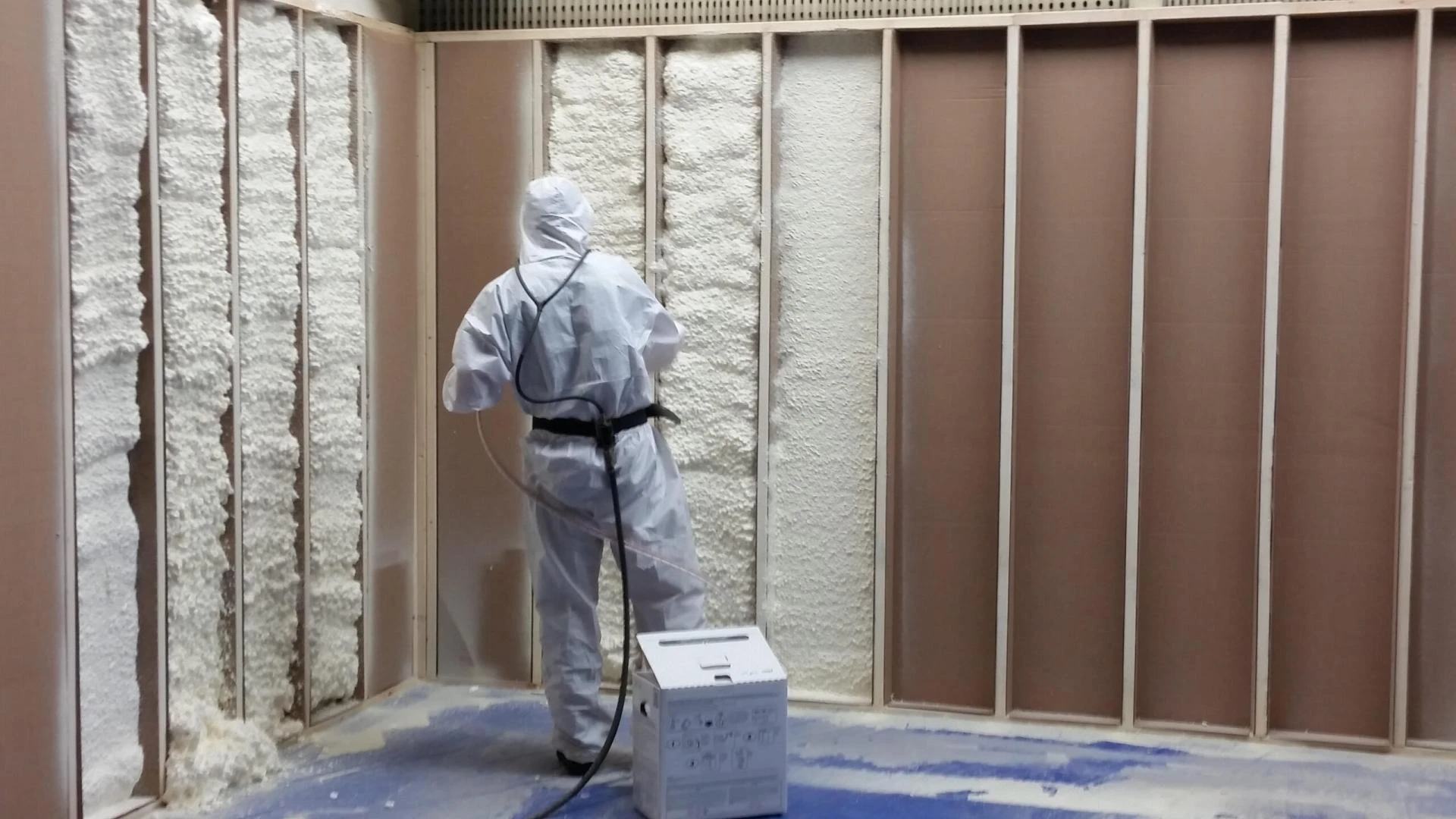
Spray foam insulation is best known for energy efficiency and temperature control. But for residential and commercial property owners, one of its most important — and often overlooked — advantages is how it contributes to healthier indoor air quality. A well-sealed building envelope using proper spray foam insulation solution can significantly reduce indoor air pollutants, allergens, and moisture-related issues.
This article explains how spray foam insulation impacts air quality, what it blocks, and how it supports a cleaner indoor environment across different building types.
How Spray Foam Insulation Creates a Tighter Building Envelope
A sealed building envelope keeps outdoor air out and conditioned indoor air in. Spray foam forms a continuous air barrier that outperforms traditional materials like fiberglass or cellulose.
How Air Sealing Reduces Contaminant Infiltration
Outdoor air often carries pollutants such as pollen, dust, smoke, and vehicle exhaust. These contaminants enter buildings through gaps in walls, floors, and ceilings. Spray foam insulation fills cracks, penetrations, and cavities, cutting off pathways for these particles.
Common Entry Points That Spray Foam Seals
- Wall-to-floor joints
- Electrical and plumbing penetrations
- Rim joists and attic floor junctions
- Crawl spaces and basement walls
- HVAC ductwork and return air chases
Spray foam insulation, especially closed-cell types, blocks both air and moisture, which is crucial for maintaining healthy indoor conditions.
Moisture Control and Mold Prevention
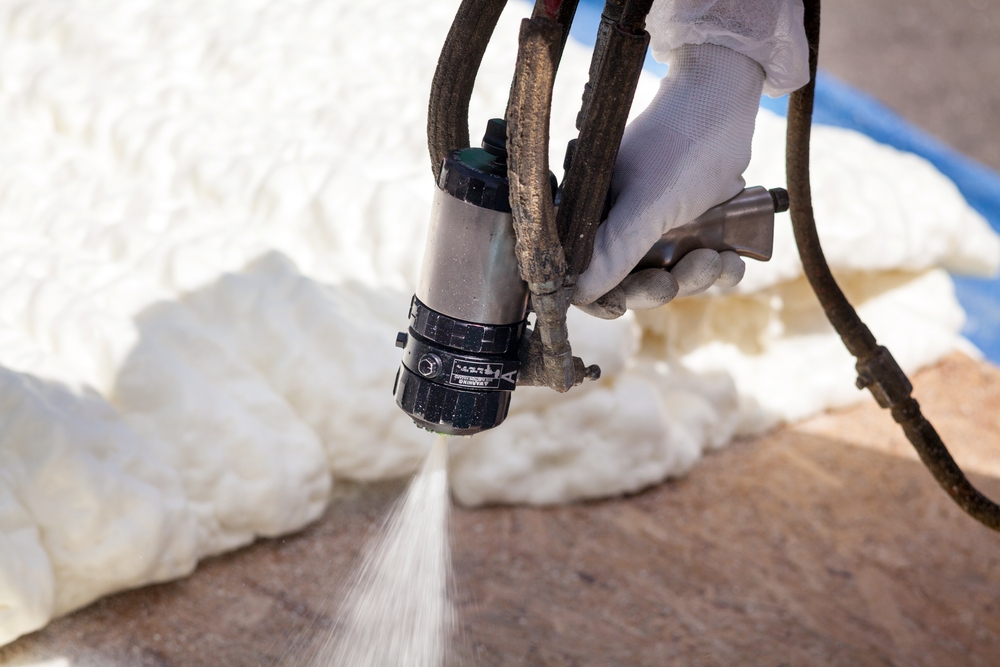
Moisture buildup contributes to poor air quality through mold growth and microbial activity. Spray foam’s air seal and low permeability slow or stop moisture movement through walls.
Mold Growth Prevention
Mold spores thrive in damp, poorly ventilated cavities — commonly found behind traditional batt or blown-in insulation. Spray foam eliminates the humid microenvironments by:
- Reducing air leaks that bring in moist outside air
- Acting as a vapor retarder (in closed-cell form)
- Preventing condensation in unventilated spaces
This keeps indoor humidity levels stable and lowers the risk of allergenic mold and mildew spores entering the air.
Spray Foam Insulation Reduces Indoor Allergens
Unsealed buildings allow pollen, insect droppings, rodent dander, and outdoor dust to enter and circulate through HVAC systems. These airborne irritants are a common source of asthma triggers and allergy symptoms.
How Spray Foam Minimizes Allergen Circulation
- Air barrier performance: Stops outdoor allergens at entry points
- Duct sealing support: Reduces dust buildup in HVAC systems
- Pest deterrence: Eliminates nesting gaps in walls and attics
- Stable air volume: Improves HVAC filter efficiency through controlled airflow
For individuals with respiratory sensitivities, the difference in comfort and symptom control can be significant.
VOCs, Off-Gassing, and Spray Foam Material Safety
Volatile organic compounds (VOCs) are gases released by many construction materials, cleaning agents, and furnishings. Excess VOCs in indoor air are linked to eye irritation, headaches, and long-term respiratory problems.
VOC Behavior in Spray Foam Applications
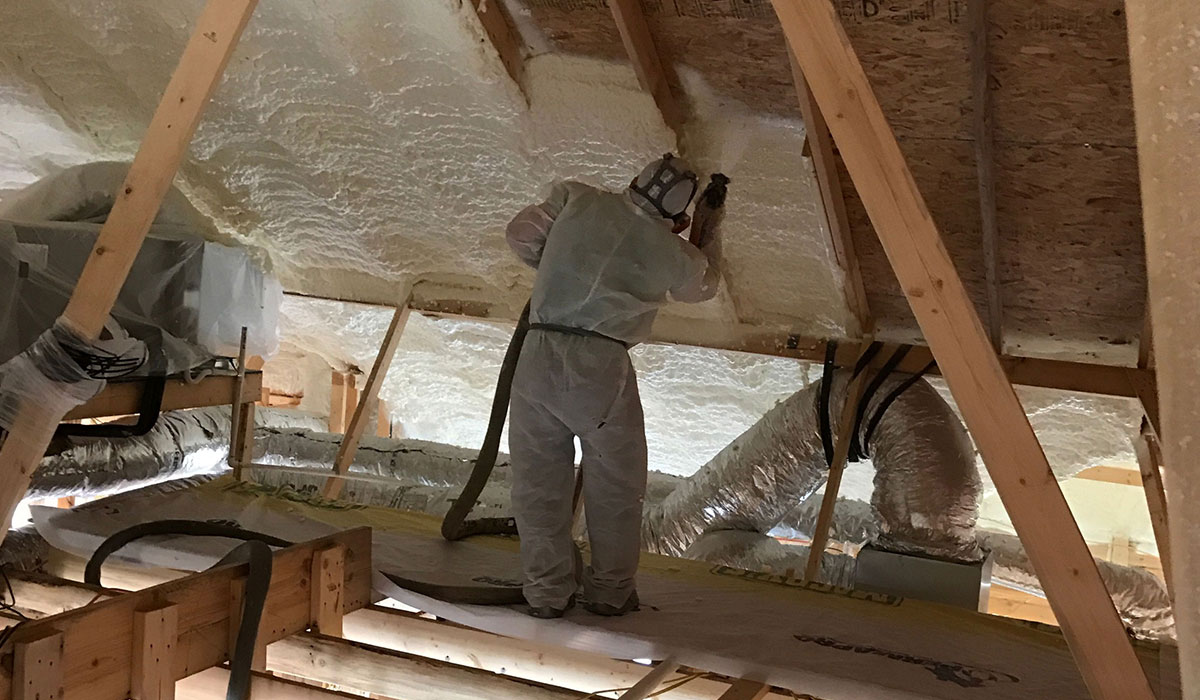
- Initial curing: During installation, spray foam emits VOCs as it reacts and expands. This off-gassing typically lasts 24–72 hours, depending on ventilation.
- Post-curing: Once fully cured, high-quality spray foam produces little to no measurable VOCs.
- Material certifications: Modern spray foam formulations often meet Greenguard Gold or similar low-emission standards.
Proper application techniques and cure times ensure that spray foam contributes to air quality improvement rather than long-term chemical exposure.
Spray Foam vs. Traditional Insulation for Air Quality: A Comparison
Below is a practical comparison of how insulation types affect indoor air quality:
Indoor Air Quality Benefits for Commercial Buildings
In offices, retail spaces, schools, and warehouses, better indoor air quality directly supports employee health, customer satisfaction, and energy performance.
Benefits Across Commercial Settings
- Reduced airborne dust in high-traffic areas
- Improved HVAC efficiency in large-scale ducted systems
- Fewer humidity fluctuations that impact product storage or electronics
- Compliance with building health standards, such as ASHRAE and LEED
Property owners also report fewer complaints related to odors, eye irritation, or humidity imbalances after insulating with spray foam.
Common Question: Is Spray Foam Always Better for Air Quality?
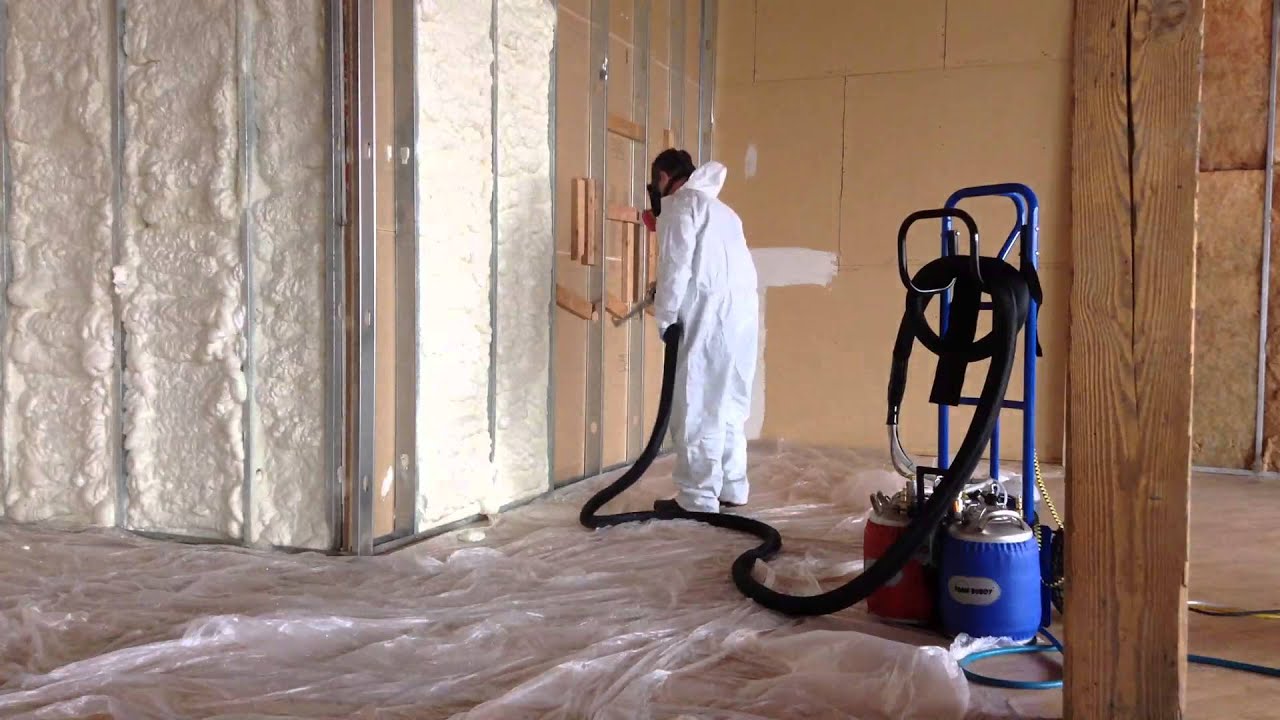
Spray foam isn’t a cure-all. Proper material selection, certified installation, and adequate ventilation during curing are necessary for positive outcomes. Choosing open-cell vs. closed-cell foam also depends on the location within the structure, climate zone, and vapor control needs.
Working with an experienced insulation contractor ensures material compatibility and safety across all stages.
Conclusion
A spray foam insulation insulation contractor plays a key role in improving indoor air quality by sealing out pollutants, controlling moisture, and reducing airborne allergens. When correctly installed, it reduces mold risks, supports HVAC performance, and stabilizes humidity levels. For both homes and commercial buildings, this results in cleaner, healthier indoor environments.
The long-term air quality impact of spray foam depends on proper curing, professional installation, and choosing the right type of foam for each application area. Beyond energy savings, the indoor health benefits make spray foam a smart insulation choice for anyone concerned about air cleanliness and comfort.
FAQs
Does spray foam insulation reduce indoor dust? Yes. By sealing gaps and preventing air leaks, spray foam keeps outdoor dust and particles from entering. This also helps HVAC filters work more efficiently, reducing dust circulation.
Can spray foam help with mold problems? Spray foam does not kill existing mold but helps prevent new growth by controlling moisture and sealing humid entry points. Closed-cell foam acts as a moisture barrier.
Is spray foam safe for people with allergies or asthma? Once fully cured, spray foam is inert and emits very low VOCs. Its air sealing benefits help reduce allergens, making it a suitable option for sensitive individuals.
How long does spray foam off-gas? Spray foam typically off-gasses during the first 24 to 72 hours after installation. Occupants should avoid the area until the foam has fully cured and ventilation is complete.
Does spray foam improve ventilation? Spray foam seals uncontrolled air leaks. Mechanical ventilation may need to be added to balance fresh air intake once the structure is tightly sealed, which supports controlled and healthier ventilation overall.
Author: Rene Zamarripa, spray foam installer and owner, began in the insulation industry in 2008 with Key Insulation in San Antonio. After 17 years of hands-on experience, now owns a successful insulation company with aspirations to franchise. Knowledgeable in R-values, insulation processes, and various components used in both residential and commercial applications. Experienced in identifying the right insulation solutions for different structures, including spray foam, fiberglass, and cellulose. Trained in operating spray foam rigs, managing temperature and pressure settings, ensuring proper material mix, and following safety standards. Understands the technical and practical skills required to deliver consistent, high-quality insulation and guide others in the trade.
Reviewer: With over 13 years in spray foam insulation, Benjamin Lee reviewed this content and offered feedback aimed at helping growing businesses connect with local homeowners and commercial clients more effectively.