In today’s competitive digital landscape, businesses are constantly looking for innovative ways to strengthen their brand presence and connect with their target audience. One of the most effective methods to achieve this is through SMO services in India. Social media has evolved from being a platform for personal interaction to becoming a powerful business tool that shapes customer perceptions, drives engagement, and amplifies brand visibility across global audiences.
Understanding the Role of Social Media in Modern Branding
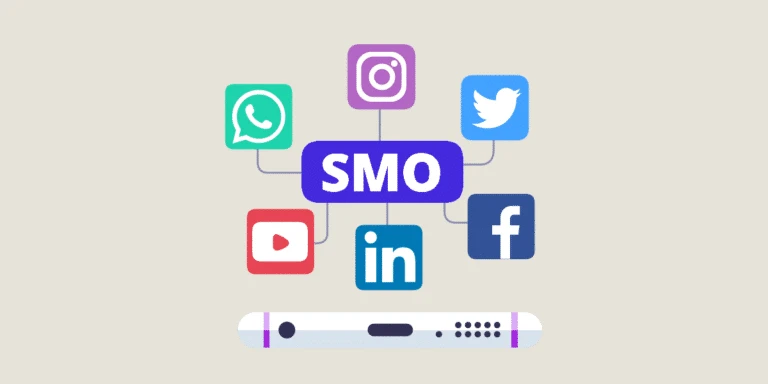
Social media platforms like Facebook, Instagram, LinkedIn, Twitter (X), and YouTube provide a direct bridge between brands and their audiences. Unlike traditional marketing channels, social media allows two-way communication that builds stronger relationships and enhances trust. The immediacy and accessibility of social platforms enable businesses to create brand stories that resonate emotionally with their audience, ultimately boosting recognition and loyalty.
A brand’s social presence is no longer optional—it’s a necessity. Consumers today expect to find brands online, interact with them, and engage with their content. Companies that invest strategically in social media marketing often experience higher brand recall, increased website traffic, and improved conversion rates.
The Connection Between Digital Marketing and Brand Awareness
Social media marketing operates as a crucial component within the larger ecosystem of digital marketing in India. It works synergistically with search engine optimization, content marketing, email campaigns, and paid advertisements to deliver a cohesive brand message. The key to success lies in consistency—maintaining a unified tone, style, and message across all platforms.
When implemented correctly, social media campaigns can drive traffic to your website, improve search rankings, and position your business as a trusted authority in your industry. The interactive nature of social platforms also provides valuable insights into audience behavior, preferences, and interests, allowing marketers to refine strategies and deliver more personalized experiences.
Key Benefits of Social Media Marketing for Brand Growth
- Enhanced Visibility: Regularly posting valuable and engaging content ensures that your brand stays in front of potential customers, creating continuous exposure.
- Improved Customer Engagement: Responding to comments, messages, and feedback builds a community around your brand and fosters long-term loyalty.
- Targeted Advertising: Advanced targeting tools on platforms like Meta Ads and LinkedIn Ads allow you to reach specific demographics, interests, and behaviors.
- Increased Website Traffic: Social media channels drive potential leads directly to your website, helping improve online visibility and conversions.
- Authenticity and Trust: Sharing user-generated content, testimonials, and behind-the-scenes updates humanizes your brand and strengthens consumer trust.
How SEO and Social Media Work Together for Brand Awareness
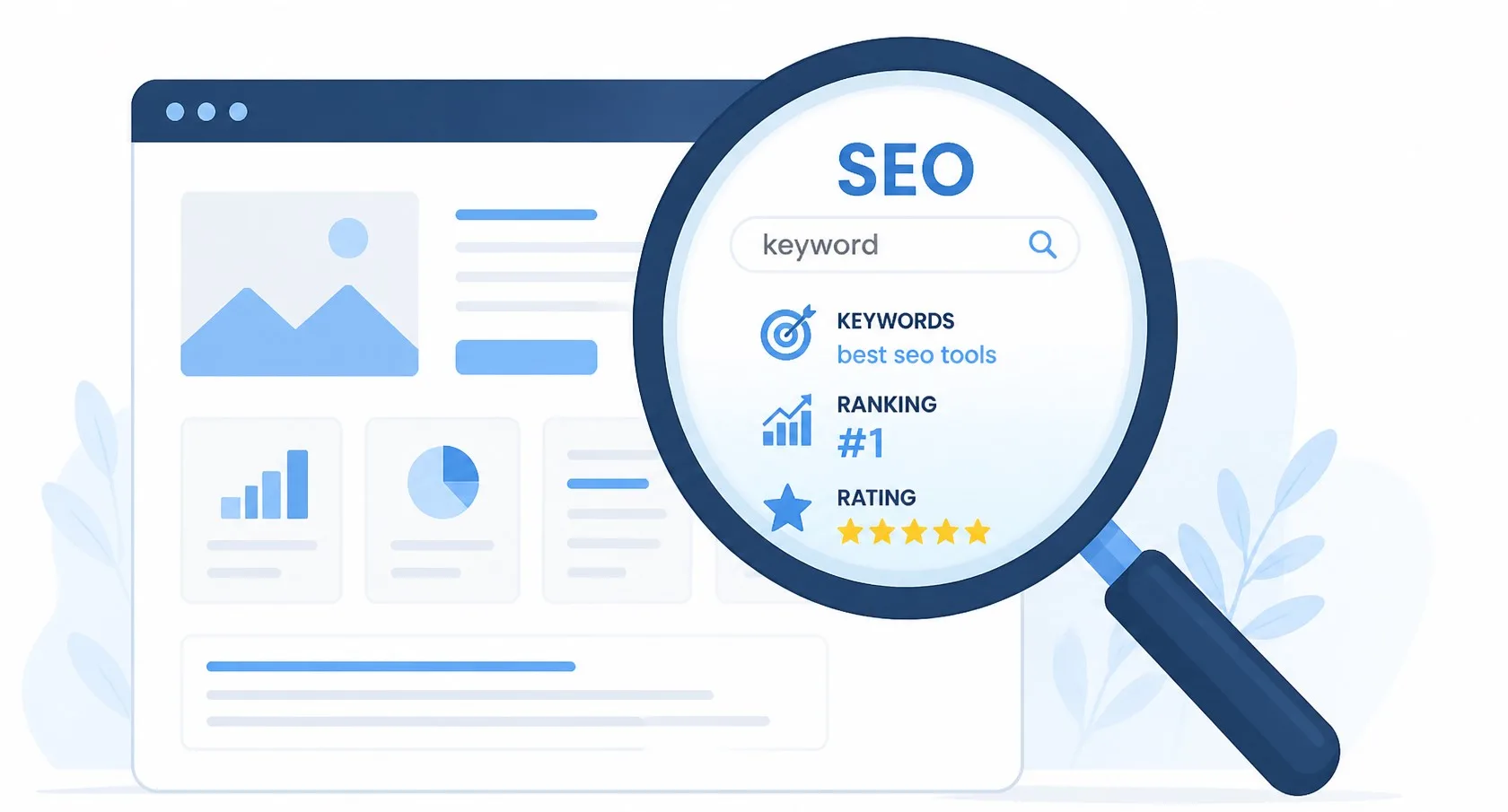
Many businesses underestimate the power of integrating social media marketing with SEO services in India. Search engines take social signals into account, meaning that consistent engagement and content sharing can indirectly influence search rankings. Social media profiles often rank high on search engine results, providing additional visibility for your brand.
By optimizing social media posts with relevant keywords, hashtags, and engaging visuals, brands can increase discoverability. Additionally, sharing blog content, infographics, and videos through social platforms helps generate backlinks and improves overall domain authority.
Crafting a Social Media Strategy That Builds Brand Awareness
A successful social media strategy requires a combination of creativity, analytics, and authenticity. Below are essential elements every business should include:
- Define Your Brand Voice: Establish a consistent tone that aligns with your brand identity and values.
- Set Clear Objectives: Identify what success looks like—be it higher engagement, brand mentions, or lead generation.
- Content Planning: Create a calendar that includes diverse content types such as educational posts, storytelling, contests, and visual media.
- Audience Analysis: Understand your audience’s preferences, active times, and preferred platforms.
- Performance Tracking: Use analytics tools to monitor metrics like reach, engagement, and conversion rates to refine your strategy.
Leveraging Influencer Marketing to Amplify Reach
Influencer collaborations are among the most impactful ways to expand brand reach on social media. Partnering with niche influencers who share your brand’s values can introduce your products or services to highly engaged communities. When influencers authentically endorse a brand, it creates trust and encourages potential customers to explore your offerings.
Micro-influencers, in particular, often deliver better engagement rates compared to celebrities, as their audiences tend to perceive them as more relatable and genuine. Strategic influencer partnerships can therefore accelerate brand recognition and drive measurable results.
The Power of Visual Storytelling in Social Media Marketing
Visual content has become the cornerstone of social media success. From short-form videos on Instagram Reels to carousel posts and infographics, compelling visuals help capture attention in an overcrowded digital space. A strong visual identity—consistent color schemes, typography, and imagery—reinforces brand recognition and leaves a lasting impression on your audience.
Incorporating storytelling through visuals not only boosts engagement but also strengthens emotional connections. Whether it’s highlighting customer success stories, showcasing your team, or sharing brand milestones, visual storytelling allows businesses to communicate their brand personality more effectively.
Building Trust Through Authentic Engagement
One of the core principles of effective social media marketing is authenticity. Consumers today value transparency and real interactions over overly polished promotional content. Responding promptly to inquiries, acknowledging feedback, and addressing customer concerns publicly reflect credibility and professionalism.
Social media platforms also serve as powerful tools for reputation management. By monitoring brand mentions and engaging with customers positively, businesses can maintain a strong and trustworthy image. This approach aligns with Google’s E-E-A-T framework, which emphasizes experience, expertise, authoritativeness, and trustworthiness.
Conclusion
Social media marketing is no longer just an option for brands—it’s a vital strategy for growth and visibility. When executed with creativity, consistency, and authenticity, it transforms ordinary brands into recognizable, trusted names. By aligning social media efforts with SEO and digital marketing strategies, businesses can build sustainable awareness, attract loyal audiences, and thrive in a competitive online world. Yug Technology empowers brands to achieve precisely that—turning digital interactions into long-term success stories.