
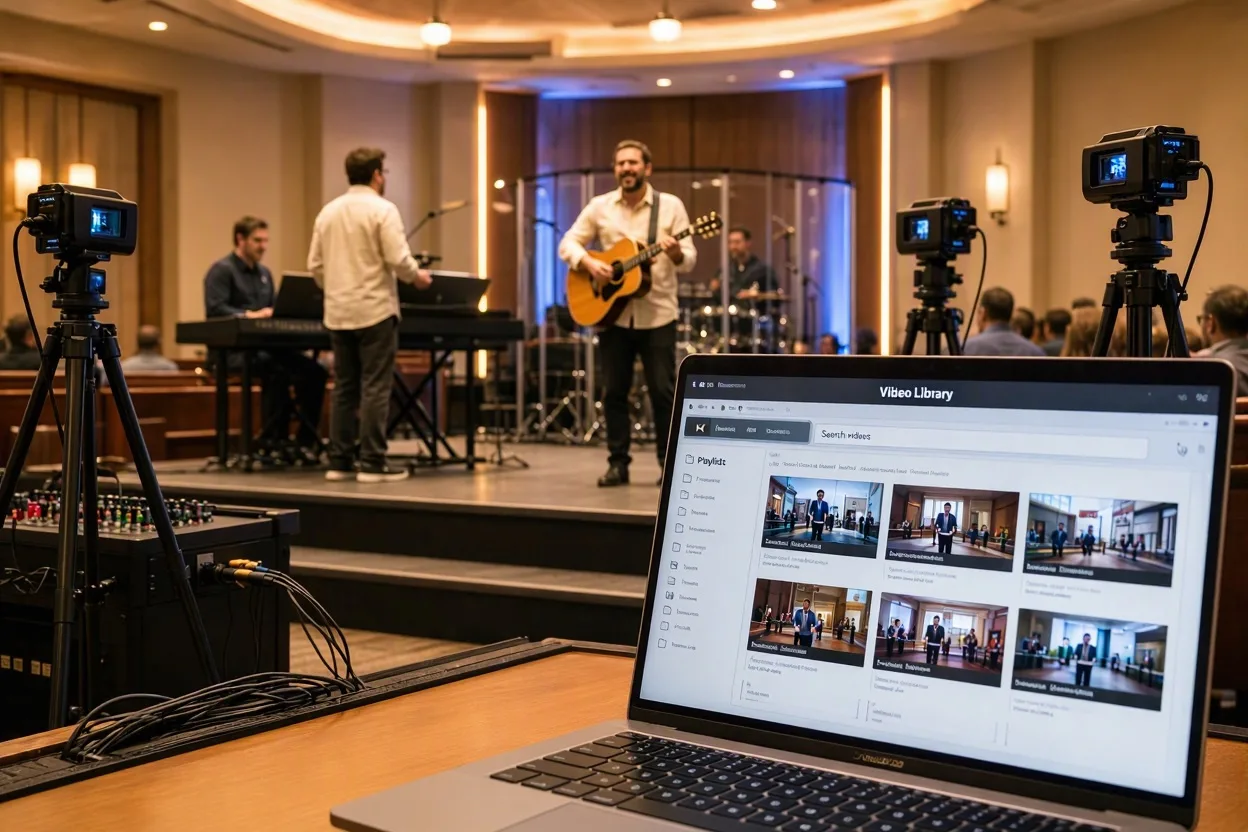
Churches today are no longer just physical gathering spaces—they're digital communities reaching members across cities, countries, and time zones. As congregations grow online, the need for organized, accessible, and high-quality video content has never been more important. This is where media asset management solutions quietly become the backbone of every successful church media ministry.
Why Churches Are Rethinking Their Digital Strategy
A decade ago, recording a Sunday sermon and uploading it to YouTube felt like enough. But in 2026, expectations have shifted. Members want on-demand access to past sermons, organized playlists by topic or series, and seamless streaming experiences that feel as polished as any mainstream media platform.
This shift has pushed church media teams to look beyond basic recording tools. They now need systems that can store, tag, organize, and retrieve hundreds—sometimes thousands—of video files without chaos. Searching for "that sermon from three years ago about forgiveness" shouldn't take hours of scrolling.
The Hidden Challenge: Content Overload
Most churches underestimate how quickly their media library grows. Weekly sermons, youth group sessions, worship nights, special events, and testimonies all pile up fast. Without a proper system in place, valuable content gets lost, duplicated, or forgotten entirely.
A well-structured digital asset library solves this by allowing media teams to:
- Tag sermons by speaker, topic, or scripture reference
- Organize content into searchable series or collections
- Maintain consistent video quality and formatting
- Quickly repurpose clips for social media or newsletters
This isn't just about tidiness—it directly impacts how engaged your online congregation stays over time.
Bringing the Service to People, Wherever They Are
While organizing past content matters, the heart of church media still lies in the live experience. Live streaming church services has become a lifeline for homebound members, traveling families, and newcomers who want to experience a service before visiting in person.
A smooth live broadcast—free from buffering, poor audio, or awkward delays—can make the difference between someone tuning in next week or giving up entirely. Churches investing in reliable streaming setups are seeing stronger community retention, especially among younger members who expect digital-first access to everything, including worship.
Why These Two Pieces Work Better Together
Here's where things get interesting heading into 2026: churches that combine strong live broadcasting with intelligent content organization are building something much bigger than a weekly stream—they're creating a searchable, evergreen library of faith content that keeps serving their community long after the service ends.
Imagine a Sunday service streamed live, instantly archived, automatically tagged by sermon topic, and made available on-demand within minutes. That kind of seamless workflow used to require a full production team. Now, it's becoming standard practice for forward-thinking ministries.
Final Thoughts
As more congregations embrace hybrid worship—part in-person, part digital—the churches that thrive will be the ones treating their video content as a long-term ministry asset, not just weekly footage. Investing in proper organization and dependable streaming infrastructure isn't a luxury anymore; it's how modern churches stay connected, accessible, and relevant in an increasingly digital world.