
Running a small business means wearing many hats, but when it comes to financial records, there’s very little room for improvisation. Whether you’re applying for a loan, renting a commercial space, submitting documents to an Immigration Authority, or simply trying to stay compliant with the Internal Revenue Service (IRS), your financial trail needs to be clear, consistent, and credible.
In this guide, we’ll walk through how small business owners can build financial records that not only tell the full story of their business but also stand up to scrutiny. Along the way, we’ll explore the role of a CPA Letter for Small Businesses, the importance of verified documentation, and how professional support can make a measurable difference.
Why Verifiable Financial Records Matter More Than Ever
Small business owners are increasingly asked to prove their income and financial stability in a wide range of situations. A Landlord or Property Manager might request documentation before approving a lease. Lenders want reassurance before extending credit. Immigration authorities often require income proof for visa applications. In all these cases, incomplete or inconsistent records can slow down, or completely derail, your application.
What decision-makers are really looking for is confidence. They want to see that your numbers are accurate, traceable, and backed by legitimate documentation.
The Foundation: Core Financial Documents Every Business Needs
Before thinking about advanced verification tools, it’s essential to have your basics in order. These are the documents that form the backbone of your financial profile.
Profit & Loss Statements and Financial Statements
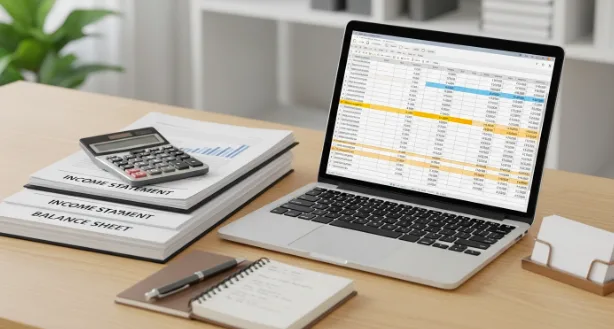
Your Profit & Loss statements give a snapshot of your business performance over time. Combined with other verified financial statements, such as a Statement of Changes in Equity, they help paint a comprehensive picture of your financial health. These documents should be:
- Updated regularly
- Consistent with your tax filings
- Prepared using reliable accounting solutions
Tax Returns and IRS Forms
Your filings with the Internal Revenue Service (IRS) are often the first documents reviewers will request. Key forms include:
- Form 1040 (for individual tax returns)
- Schedule C (for sole proprietors reporting business income)
- 1099 Form (for reporting non-employee income)
Accurate income tax return services and sales tax return filing are essential, not just for compliance, but for credibility.
Supporting Documentation
Numbers alone aren’t enough. Supporting records help validate your claims:
- Bank statements
- Invoices and payment records
- Contracts or client agreements
These documents provide the context behind your revenue and expenses, making your financial story more believable.

The Role of Bookkeeping and Accounting Systems
A solid financial record starts with consistent tracking.
Accurate Bookkeeping Support
Investing in bookkeeping services ensures that every transaction is recorded properly. With accurate bookkeeping support, you avoid discrepancies that can raise red flags later.
Integrated Accounting Solutions
Modern accounting solutions can automate much of the process, reducing human error and saving time. These systems also make it easier to generate reports on demand—something that becomes invaluable during applications.
Financial Management Services
For growing businesses, financial management services can help interpret your data, identify trends, and prepare you for future requirements.
Elevating Credibility with CPA Involvement
At some point, self-prepared documents may not be enough. This is where professional validation becomes crucial.
What Is a CPA Letter?
A CPA Letter is a document prepared by a certified public accountant that verifies specific financial details about your business or personal income. It’s often used when third parties need independent confirmation of your financial status.
Why a CPA Letter for Small Businesses Matters
A CPA Letter for Small Businesses carries weight because it comes from a licensed professional bound by strict ethical and regulatory standards. It can:
- Confirm income levels
- Validate self-employment status
- Support income verification services
- Strengthen applications for loans, leases, or visas
Common Use Cases
For Rental Applications
A Landlord or Property Manager may request a CPA letter when traditional pay stubs aren’t available. This helps them assess your reliability as a tenant.
For Immigration and Visa Applications
When dealing with an Immigration Authority, a CPA letter for income proof can serve as a trusted document for income proof for visa applications.
For Loans and Financing
Lenders often rely on CPA-verified documents to reduce risk and confirm repayment ability.
Working with Professional CPA Services
Not all financial professionals offer the same level of expertise. Choosing the right partner can significantly impact the quality of your records.
What to Look For
When selecting professional CPA services, consider:
- Experience with small businesses
- Knowledge of tax compliance services
- Ability to provide financial documentation support
- Familiarity with industry-specific requirements
Benefits of Expert CPA Solutions
Engaging expert CPA solutions or certified public accountant services provides:
- Accurate and compliant reporting
- Strategic tax planning and preparation
- Reliable tax filing solutions
- Enhanced credibility with third parties
A strong CPA partner for financial success doesn’t just prepare documents—they help you build a system that works long-term.

Building a System That Stands Up to Scrutiny
Consistency is what separates a stack of papers from a trustworthy financial record.
Keep Everything Aligned
Your:
- Tax returns
- Financial statements
- Bank records
…should all tell the same story. Discrepancies, even small ones, can raise concerns.
Maintain Regular Updates
Don’t wait until an application is due. Keep your records updated monthly or quarterly so you’re always prepared.
Document Every Transaction
Every payment, expense, and agreement should be backed by documentation. Over time, this creates a verifiable audit trail.
Frequently Asked Questions (FAQs)
What is a CPA Letter for Small Businesses
A CPA Letter for Small Businesses is a document prepared by a certified public accountant that verifies a business owner’s income, financial status, or self-employment details. It serves as credible third-party proof when formal income documentation like pay stubs is not available.
When do I need a CPA letter for income proof?
You typically need a CPA letter for income proof when applying for a loan, renting from a Landlord or Property Manager, or submitting documents to an Immigration Authority for visa or residency purposes. It helps validate your earnings in situations where financial transparency is required.
What documents are required to get a CPA Letter?
To issue a CPA Letter, a CPA will review documents such as Form 1040, Schedule C, 1099 Form, bank statements, Profit & Loss statements, invoices and payment records, and contracts or client agreements to ensure your financial information is accurate and verifiable.
How do I maintain verifiable financial records for applications?
Maintaining verifiable records involves using bookkeeping services, reliable accounting solutions, and staying compliant with the Internal Revenue Service (IRS) through proper income tax return services, sales tax return filing, and consistent financial reporting.
Why should I use professional CPA services instead of managing finances myself?
Working with professional CPA services or certified public accountant services ensures accuracy, compliance, and credibility. A CPA provides financial documentation support, prepares verified records, and offers expert CPA solutions like tax planning and compliance, which strengthen your applications and financial standing.
Final Thoughts
Building strong and verifiable financial records isn’t just a regulatory requirement, it’s a practical necessity for any small business owner who wants to move forward without friction. From maintaining accurate bookkeeping services and organized accounting solutions to ensuring compliance with the Internal Revenue Service (IRS), every step contributes to a financial profile that others can trust.
Supporting documents like bank statements, Profit & Loss statements, invoices, and tax forms such as Form 1040, Schedule C, and 1099 Form all work together to create a clear and consistent narrative.