
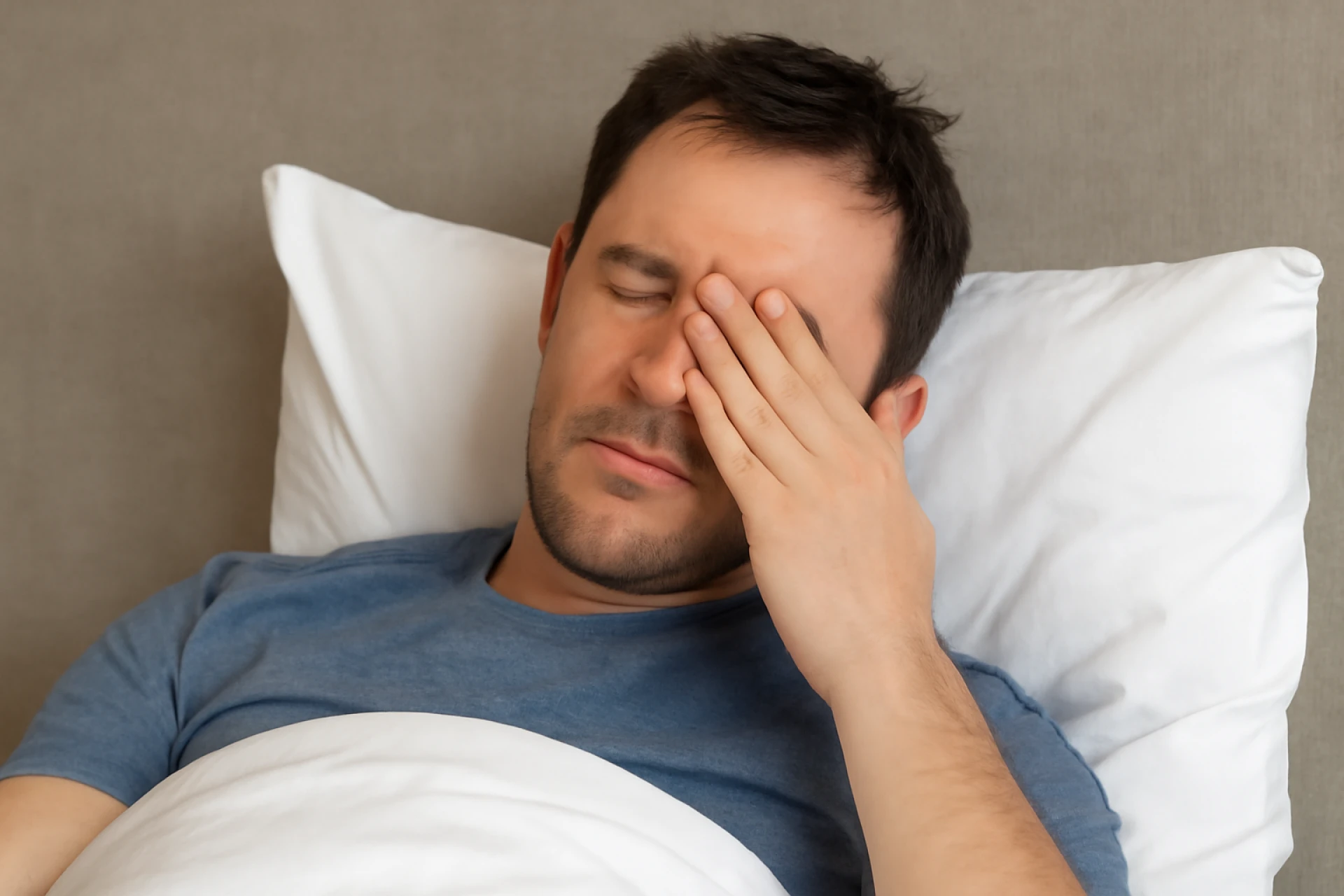
Good-quality sleep is essential for your overall well-being, but many people don’t realise the strong link between sleep patterns and eye health. Whether you’re preparing for a routine vision test in Manchester, experiencing digital eye strain, or simply trying to protect your long-term vision, understanding how sleep affects your eyes is important. Poor sleep can influence everything from moisture levels across the ocular surface to your ability to focus clearly during daily tasks.
Below, we explore how sleep impacts your vision, the signs your eyes might be affected by poor rest, and practical habits to support healthier eyes.
Why Good Sleep Matters for Your Eyes
Your eyes work hard throughout the day. They are constantly focusing, adjusting to different light levels, and maintaining moisture through blinking. During sleep, the eyes undergo essential recovery processes, including:
· Tear film restoration
· Repair of corneal tissues
· Rebalancing of ocular pressure
· Reduced inflammation and irritation
Without enough rest, these natural repair cycles are disrupted, which can lead to a range of visual symptoms.
Common Eye Problems Linked to Poor Sleep
Lack of sleep can trigger several noticeable changes in your vision and comfort levels.
1. Dry, Irritated Eyes
When you don’t sleep well, your tear production can drop, resulting in dryness, burning sensations, or a gritty feeling. This may also increase your sensitivity to light.
2. Twitching or Spasms (Myokymia)
Eye twitching is often harmless but can be exacerbated by sleep deprivation. Persistent twitching can interfere with reading, screen time, or driving, especially concerning for those preparing for their next sight test or noticing visual strain.
3. Blurry or Fluctuating Vision
Insufficient rest affects the eye’s ability to focus sharply. You may experience blurry vision, difficulty concentrating on close-up tasks, or slower adjustment when shifting focus between distances.
4. Increased Eye Fatigue
Your eyes rely on sufficient downtime to recover. Poor sleep can lead to quicker fatigue, particularly during activities like computer work, studying or driving.
5. Higher Risk of Eye Infections
Sleep supports immune function. When you’re tired, your resistance to bacterial and viral eye infections, such as conjunctivitis, may be reduced.
The Connection Between Sleep and Eye Pressure
Healthy sleep patterns help regulate fluid levels inside the eye. Interrupted or inconsistent sleep may affect intraocular pressure, which is particularly important for individuals at risk of conditions such as glaucoma. Although this does not replace a professional eye check, being aware of your sleep quality can be a valuable part of protecting your vision.
How Many Hours of Sleep Do Your Eyes Need?
Most adults need 7–9 hours of restful sleep per night for their body and eyes to function at their best. However, sleep quality matters just as much as sleep duration. Broken or shallow sleep may still leave your eyes feeling strained the next day.
Lifestyle Habits to Protect Your Eye Health Through Better Sleep
Improving your sleep routine can have a noticeable effect on your vision and eye comfort. Consider these practical tips:
1. Follow a Screen-Free Wind-Down Routine
Blue light from screens can interfere with melatonin production. Try turning off digital devices at least 60 minutes before bed.
2. Keep Your Sleeping Environment Comfortable
A cool, dark, quiet room promotes better sleep and reduces night-time irritation for dry or sensitive eyes.
3. Stay Hydrated Throughout the Day
Proper hydration supports tear production, which helps keep the eyes lubricated.
4. Remove Contact Lenses Before Sleeping
Sleeping with lenses reduces oxygen flow to the eyes and increases the risk of infection. Even short naps with lenses in can be harmful.
5. Maintain a Balanced Diet
Foods rich in omega-3, vitamins C and E, and antioxidants help maintain healthy tear production and protect the eye surface.
6. Establish a Consistent Sleep Schedule
Going to bed and waking up at the same time each day strengthens your internal clock and improves overall sleep quality.
7. Take Regular Breaks from Screens
Follow the 20 rule:
For every 20 minutes, look at something far away, like 20 feet, for 20 seconds, which may relax your eyes.
When to Seek a Professional Eye Assessment
If you notice persistent dryness, blurred vision, or eye strain despite improving your sleep habits, it may be time to book a routine vision check. A comprehensive eye test, whether in Manchester or elsewhere in the UK, can help identify underlying issues such as prescription changes, digital eye strain, or early signs of long-term eye conditions.
A professional assessment ensures you receive the appropriate advice and support for maintaining healthy vision.
Final Thoughts
Sleep plays a crucial role in keeping your eyes comfortable, hydrated, and functioning properly. By prioritising healthy sleep habits and addressing any ongoing symptoms through regular vision checks, you can reduce strain, improve clarity, and support long-term eye health. Small adjustments to your routine can make a significant difference—not only for your eyesight but for your everyday wellbeing.