
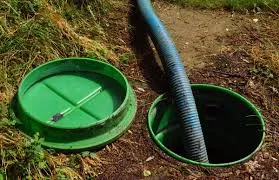
A septic system is an important part of wastewater management for many homes and businesses. When properly maintained, it can provide reliable service for many years. However, neglecting routine maintenance can allow sludge and other solids to accumulate inside the tank, potentially affecting the entire system. Regular professional pumping is one of the most important maintenance steps property owners can take.
Professional Septic Pumping Wesley Chapel services help remove accumulated solids before they interfere with normal septic system operation. With proper maintenance, responsible water usage, and timely inspections, property owners can help protect their investment and support the long-term performance of their septic systems. Septic Blue of Tampa provides professional septic services designed to help homeowners and businesses maintain dependable wastewater systems.
Understanding How a Septic System Works
A septic system typically consists of a septic tank and a drain field. Wastewater from toilets, sinks, showers, washing machines, and other plumbing fixtures flows into the tank.
Inside the tank, heavier solids settle at the bottom and form sludge, while lighter materials such as fats and oils rise to the top and create a scum layer. The liquid wastewater between these layers moves toward the drain field for further treatment and absorption into the soil.
The tank cannot permanently store unlimited amounts of solid material. Over time, sludge and scum accumulate and reduce the available capacity. Professional pumping removes these materials and helps the tank continue operating as intended.
How Septic Pumping Helps Extend System Life
Routine septic pumping can play an important role in protecting the various components of a septic system. Here are several ways professional maintenance can contribute to longer system performance.
1. Prevents Excessive Sludge Accumulation
One of the primary purposes of septic pumping is to remove accumulated sludge. If solids are allowed to build up excessively, they may interfere with the tank's normal separation process.
Removing accumulated solids helps restore tank capacity and allows wastewater to continue moving through the system properly.
2. Helps Protect the Drain Field
The drain field is a critical part of a septic system. It receives liquid effluent from the tank and allows it to be absorbed into the surrounding soil.
When a septic tank becomes overloaded with solids, some of those solids can potentially move toward the drain field. This can contribute to clogging and drainage problems. Keeping the tank properly pumped can help reduce this risk.
3. Reduces the Risk of Backups
A neglected septic tank may eventually contribute to wastewater backups. Sewage backups can create unpleasant odors, disrupt household routines, and potentially damage floors, walls, and other property components.
Routine Septic Pumping Wesley Chapel can help property owners address accumulated solids before they contribute to significant flow problems.
4. Supports Efficient Wastewater Flow
A septic system needs adequate tank capacity to receive wastewater and allow solids to separate from liquids. When the tank becomes too full of accumulated material, its ability to perform this function can be compromised.
Regular pumping helps maintain usable capacity and supports the normal movement of wastewater through the system.
5. Helps Identify Potential Problems
Professional septic pumping is also an opportunity for technicians to observe the condition of accessible components. During service, potential concerns may become apparent, allowing property owners to address them before they develop into larger problems.
Early attention can sometimes prevent minor maintenance needs from becoming more complicated repairs.
How Often Should You Pump Your Septic Tank?
The right pumping frequency varies from property to property. Factors such as tank size, household occupancy, water consumption, garbage disposal use, wastewater production, and system condition can all influence how quickly solids accumulate.
Rather than following a one-size-fits-all schedule, property owners should keep records of previous pumping and consult a qualified septic professional about an appropriate maintenance plan.
If you have recently purchased a property and do not know the septic system's maintenance history, an inspection can help establish a useful starting point.
Warning Signs That Your Septic System Needs Attention
Knowing the warning signs of a septic problem can help property owners respond before a minor concern becomes a major issue.
Common signs include:
- Slow-draining sinks and showers
- Toilets that drain slowly or behave unusually
- Gurgling sounds from plumbing fixtures
- Persistent sewage odors
- Standing water around the drain field
- Unusually lush vegetation over part of the drain field
- Sewage backing up into plumbing fixtures
These symptoms can have different causes, so professional evaluation is recommended rather than assuming that pumping alone will solve the problem.
Habits That Help Protect Your Septic System
Regular pumping is important, but everyday habits also have a major influence on septic system performance.
Be Careful About What You Flush
Only flush wastewater and toilet paper. Items such as wipes, diapers, paper towels, feminine hygiene products, and other non-flushable materials can contribute to plumbing or septic problems.
Limit Grease and Oil
Cooking grease and oil can accumulate inside plumbing and septic components. Dispose of these materials properly instead of pouring them down household drains.
Conserve Water
Excessive water use can place unnecessary stress on a septic system. Repair leaking faucets and toilets, use water-efficient fixtures where practical, and spread high-water-use activities throughout the week.
Protect the Drain Field
Avoid parking vehicles, building structures, or placing heavy equipment over the drain field. Excessive weight can damage underground components and affect soil conditions.
Maintain Service Records
Keep a record of inspections, pumping, repairs, and other septic services. These records can help you determine when future maintenance may be needed and can be particularly useful if you sell the property.
Why Professional Septic Pumping Is a Smart Investment
A septic system represents a significant investment in a property. Replacing a failed system can be disruptive and expensive, while routine maintenance is generally much easier to plan.
Professional technicians use specialized pumping equipment and established procedures to remove accumulated material from the tank. They can also provide maintenance recommendations based on the property's septic system and observed conditions.
Working with an experienced provider such as Septic Blue of Tampa can make routine septic care more manageable for homeowners and businesses.
Residential and Commercial Septic Maintenance
Both residential and commercial properties can benefit from appropriate septic maintenance. Homes may experience changes in occupancy, water usage, or household habits that affect pumping needs. Commercial properties may have different wastewater volumes depending on their size and daily operations.
A professional assessment can help determine the maintenance approach that best fits the property rather than relying on assumptions.
Protect Your Septic Investment With Regular Pumping
A septic system can provide dependable wastewater management for years when it receives proper care. Regular pumping helps remove accumulated solids, maintain tank capacity, support drain field protection, and reduce the likelihood of avoidable problems.
By combining professional Septic Pumping Wesley Chapel services with responsible water use and good septic habits, property owners can take proactive steps toward extending the useful life of their systems.
For professional septic maintenance and pumping assistance, Septic Blue of Tampa can help property owners take a preventive approach to septic care. Investing in routine maintenance today can help protect your property and reduce the risk of unexpected septic problems in the future.