
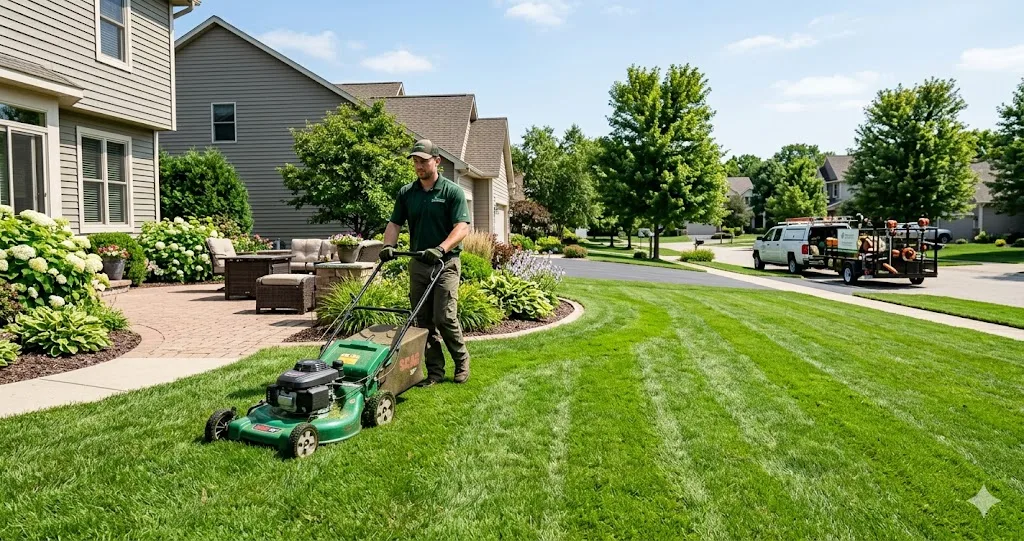
Maintaining a vibrant landscape in British Columbia requires more than just a passing interest in gardening; it demands a strategic approach to plant biology and local climate shifts. In Surrey and across the Lower Mainland, the transition from heavy spring rains to dry summer spells creates a unique set of challenges for turf and ornamental plants. Homeowners and luxury estate managers often struggle to balance aesthetic appeal with the structural health of their greenery. This is where professional seasonal outdoor cutting services become essential. By aligning maintenance schedules with the natural growth cycles of the Pacific Northwest, you ensure that your outdoor space remains resilient against pests, diseases, and environmental stressors.
The Biological Necessity of Strategic Lawn Mowing Services
Many property owners view mowing as a purely cosmetic chore designed to keep the grass short. However, every cut is a surgical intervention that dictates how the plant allocates its energy. When you hire professional lawn care mowing services, the focus shifts from simple height reduction to physiological optimization. Grass blades are the primary site for photosynthesis. If cut too short, the plant loses its ability to produce food, leading to shallow root systems and increased vulnerability to the Surrey heat.
Photosynthetic Balance and Root Depth
The "one-third rule" is the golden standard for healthy turf. Removing more than one-third of the grass blade at once shocks the plant and forces it to deplete stored carbohydrates to recover. In British Columbia’s maritime climate, maintaining a slightly higher cut during the peak of summer helps shade the soil. This natural shading reduces water evaporation and prevents the germination of weed seeds like crabgrass and dandelion.
The Role of Sharp Blades in Disease Prevention
Dull mower blades tear the grass rather than slicing it cleanly. These ragged edges create open wounds that are prime entry points for fungal pathogens. In the damp conditions typical of Vancouver and Surrey, diseases like Red Thread or Dollar Spot can spread rapidly across a luxury estate. Professional technicians prioritize equipment maintenance to ensure every cut is clean, allowing the grass to heal quickly and maintain its deep green hue.
Adapting to the Surrey Climate: A Seasonal Roadmap
The Pacific Northwest doesn't follow a generic gardening calendar. Our specific microclimates require a tailored approach to outdoor cutting. Whether you are managing a sprawling corporate campus or a private residence, understanding the timing of these services is the difference between a thriving garden and a struggling one.
Spring: Managing the Growth Explosion
As temperatures rise in March and April, Surrey gardens experience a massive surge in growth. This is the most critical time for consistent maintenance. Early season cuts help remove dead tips left over from winter and encourage lateral growth, which results in a thicker, more lush carpet of grass. During this period, it is also vital to evaluate your watering systems. Many owners look for the best irrigation service providers during the spring to ensure their infrastructure is ready for the upcoming dry months.
Summer: Drought Stress and Dormancy
July and August in BC often bring water restrictions and high heat. Professional cutting services adapt by raising the deck height of the mowers. Longer grass blades act as a cooling mechanism for the soil. If the lawn enters a semi-dormant state, the frequency of cutting should decrease to avoid unnecessary stress on the turf.
Fall: Winterization and Nutrient Storage
Autumn is the time to prepare the root system for the cold. The final cuts of the season should gradually lower the grass height to prevent "matting" under the snow. Long grass trapped under a snowpack is a breeding ground for snow mold, a common issue in the Fraser Valley. By thinning out the canopy before the first frost, you allow for better airflow and a faster green-up in the spring.
Precision Techniques for Luxury and Enterprise Properties
Enterprise properties and luxury estates have higher standards for curb appeal and structural integrity. The equipment and techniques used must reflect this. Large-scale properties often utilize zero-turn mowers for efficiency, but the skill of the operator determines the final quality. Striping patterns aren't just for looks; they ensure that the grass isn't being pushed down in the same direction every week, which can lead to soil compaction and uneven growth.
Managing Large-Scale Turf Health
For commercial sites, the focus is often on high-traffic durability. Regular cutting at the correct height encourages the growth of tillers—individual grass shoots—that fill in bare spots. This density is the best natural defense against invasive moss, which thrives in the shaded, damp areas of British Columbia gardens.
Ornamental Pruning and Hedge Maintenance
Outdoor cutting isn't limited to the turf. Seasonal pruning of shrubs and hedges is vital for maintaining the structural framework of a garden. Removing dead or crossing branches improves light penetration and airflow, reducing the risk of pest infestations like aphids or scale. In the Surrey area, timing your hedge trims can also protect local bird nesting sites, aligning your property maintenance with ecological best practices.
Comparing Maintenance Styles: DIY vs. Professional Management
Many homeowners start with a DIY approach, but the complexities of local soil chemistry and pest cycles often lead to suboptimal results. While a personal lawnmower can handle a small backyard, it rarely provides the precision required for long-term health.
FeatureDIY MaintenanceProfessional Cutting ServiceEquipment QualityStandard residential mowersIndustrial grade, sharp bladesConsistencyWeather and schedule dependentReliable, weekly/bi-weekly cyclesKnowledge BaseGeneral gardeningSoil science and local agronomyPest/Disease IDOften noticed too lateEarly detection during routine cutsLong-term CostHigh tool repair and replacementFlat-rate predictable investmentStrategic Resource Management for BC Homeowners
A healthy garden is a holistic system where cutting, watering, and fertilizing work in tandem. If one element is off, the others suffer. For instance, if you are searching for a lawn mowing service vancouver residents trust, you'll find that the best companies also offer advice on local soil conditions. The acidic soil common in our region often requires lime treatments to balance pH levels, which in turn makes the nutrients from fertilizers more available to the grass after it has been cut.
Impact of Proper Cutting on Water Retention
A well-maintained lawn acts like a sponge. By keeping the grass at an optimal height, you improve the organic matter in the soil over time through "grasscycling"—the process of leaving fine clippings on the lawn to decompose. These clippings return nitrogen to the soil and help retain moisture, reducing the overall demand on your irrigation system.
Equipment Selection for Different Grass Types
In British Columbia, we primarily deal with cool-season grasses like Kentucky Bluegrass, Perennial Ryegrass, and Fine Fescues. Each has a different growth habit. Ryegrass grows quickly and requires more frequent attention, while Fescues are more shade-tolerant but can be damaged by heavy machinery if the soil is too wet. Professionals choose their equipment based on the specific turf variety and the current moisture content of the ground to prevent rutting.
The Psychology of a Well-Manicured Space
There is a profound psychological impact to a clean, well-cut garden. For businesses, it conveys professionalism and attention to detail. For homeowners, it provides a sanctuary. By outsourcing these tasks to specialists like Harry's Lawn Care, property owners reclaim their time while ensuring their investment is protected by experts who understand the nuances of the local environment.
Sustainable Practices in Modern Lawn Care
Sustainability is no longer a buzzword; it’s a requirement. Modern cutting services are increasingly moving toward battery-operated equipment to reduce noise pollution in quiet Surrey neighborhoods. Additionally, by focusing on plant health rather than chemical dependency, professional services create a safer environment for children and pets.
Frequently Asked Questions (PAA Style)
How often should I have my lawn mowed in Surrey?
In the peak growing season (April to June), weekly mowing is recommended due to the high rainfall and mild temperatures in British Columbia. As the weather warms and growth slows in July and August, this can often be adjusted to every ten to fourteen days, depending on your irrigation levels.
Can professional cutting services help get rid of moss?
Yes. Moss thrives in compacted soil and areas where grass is too thin or cut too short. By maintaining a higher, consistent cut and encouraging thick turf growth, professional services create a competitive environment where grass outmuscles the moss. Aeration and dethatching are often recommended alongside regular cutting for the best results.
Is it better to bag clippings or leave them on the lawn?
For most healthy lawns in the Lower Mainland, "grasscycling" (leaving clippings) is preferred. The clippings break down quickly and return vital nutrients to the soil. However, if the lawn is overgrown or showing signs of fungal disease, your service provider may choose to bag the clippings to prevent smothering the grass or spreading pathogens.
What is the best height for grass in the Pacific Northwest?
Generally, maintaining a height of 2.5 to 3 inches is ideal for the cool-season grasses found in BC. This height supports deep root growth and provides enough leaf surface for the plant to remain healthy during our occasional summer droughts.
Why does my lawn look yellow after it’s been cut?
This is usually a sign of "scalping," where too much of the grass blade was removed at once, or the mower blades were dull. Scalping exposes the tender, non-photosynthetic base of the plant. Hiring a professional lawn care services near me ensures that the equipment is sharp and the height is adjusted correctly for every visit.