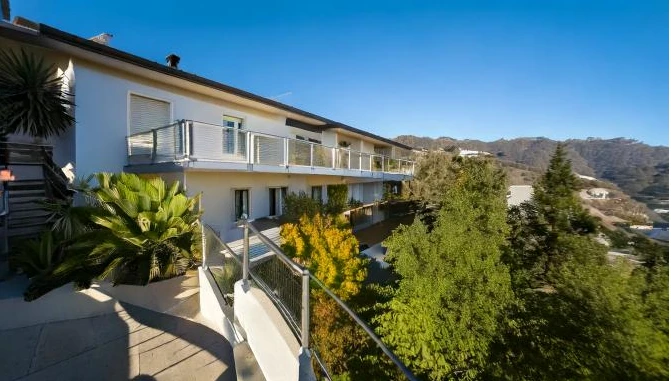
As a civil engineer with 17 years of experience in structural design and property evaluations, I’ve seen balconies play a pivotal role in a building’s worth—both as assets and liabilities. In multi-family properties across California, these outdoor spaces can elevate appeal and rental rates when maintained, or drag down value when neglected. Proactive care is the difference-maker, and SB326 inspections are a cornerstone of that effort. Through my work, I’ve witnessed how these mandated checks not only ensure safety but also bolster long-term value, making them a smart investment for property owners aiming to protect and grow their stake.
Balconies are more than aesthetic perks; they’re structural commitments. In my assessments, I’ve found that a well-kept balcony can boost a unit’s market value by 5-10%—for a $400,000 condo, that’s $20,000 to $40,000. Buyers and tenants alike prize outdoor space, especially in urban settings where it’s scarce. But the flip side is stark. A balcony with peeling paint, cracked concrete, or shaky railings doesn’t just look bad—it signals deeper issues. I’ve inspected units where visible rust on steel supports scared off buyers, dropping offers by $15,000 overnight. Proactive care, starting with a thorough balcony inspection, keeps these spaces in the asset column.
SB326, enacted in 2019 after the Berkeley collapse exposed the perils of rotting wood, requires that balconies in buildings with three or more units be inspected every six years by a licensed professional. I’ve conducted dozens of these, probing for flaws that undermine safety and value. Moisture is a silent killer—wood joists with readings above 19% start losing strength, a threshold I’ve hit in 30% of coastal balconies I’ve tested. Concrete fares better but isn’t immune; I’ve seen hairline cracks widen into fissures after a decade of freeze-thaw cycles. Steel hardware corrodes faster near the ocean, weakening connections by 25% in five years if untreated. An SB326 inspection flags these early, letting owners fix them before they balloon into costly overhauls.
The connection to long-term value is direct. A balcony that passes inspection signals reliability. In my experience, properties with documented maintenance histories—including SB326 compliance—fetch higher appraisals. One client, a manager of a 12-unit complex, saw their building’s valuation rise by $150,000 after addressing minor rot and rust flagged in an inspection. Repairs cost $3,000; the return was 50 times that. Contrast that with neglect: a balcony failure can slash value by 10% or more, plus repairs that easily hit $20,000 for a single unit. I’ve seen owners face six-figure losses when a collapse triggered lawsuits. Proactive care, anchored by SB326, flips that risk into reward.
Cost is a practical piece of this puzzle. The SB326 inspection cost typically ranges from $600 to $1,800 for a small building, depending on balcony count and access challenges. For a 10-balcony property, that’s $60 to $180 per unit every six years—peanuts compared to the $5,000-plus price tag of replacing a rotted ledger board. I’ve advised owners who hesitated, only to regret it when a $200 sealant job could’ve prevented a $2,000 concrete patch. Pair inspections with basic upkeep—sealing wood every two years, clearing drains annually—and you’re looking at $300 per balcony over a decade. That’s a small price to preserve a $20,000 value-add.
Safety ties it all together. The California Building Code mandates 60 pounds per square foot for balconies, a standard I’ve tested with weights and strain gauges. A compromised joist or loose railing can cut that capacity in half. I’ve tapped railings that wobbled under a 50-pound push, far below the 200-pound lateral force they’re built to withstand. Tenants don’t notice until it’s too late—neither do owners until a claim lands. SB326 inspections catch these weak spots. In one case, I found a cantilevered balcony with early rot; a $600 fix saved a $10,000 replacement and kept it rentable. Safety isn’t just compliance—it’s marketability.
The long-term payoff is durability. Balconies I’ve seen maintained with regular balcony inspection and care last 30 years or more—double the lifespan of neglected ones. Wood holds up with sealant, steel stays strong with paint, concrete resists cracks with proper drainage. This longevity translates to steady rental income and resale value. I’ve worked with appraisers who dock properties 5% for every major repair looming on the horizon; a clean SB326 report erases that penalty. For owners, it’s a competitive edge in a market where tenants demand quality.
Getting ahead is simple. Book an SB326 inspection—don’t wait for the deadline. Follow it with targeted fixes and routine checks. The SB326 inspection cost is an investment, not an expense—it buys safety, appeal, and value. As an engineer, I’ve seen balconies lift properties up or pull them down. SB326 tilts the odds in your favor, ensuring your investment stands the test of time.