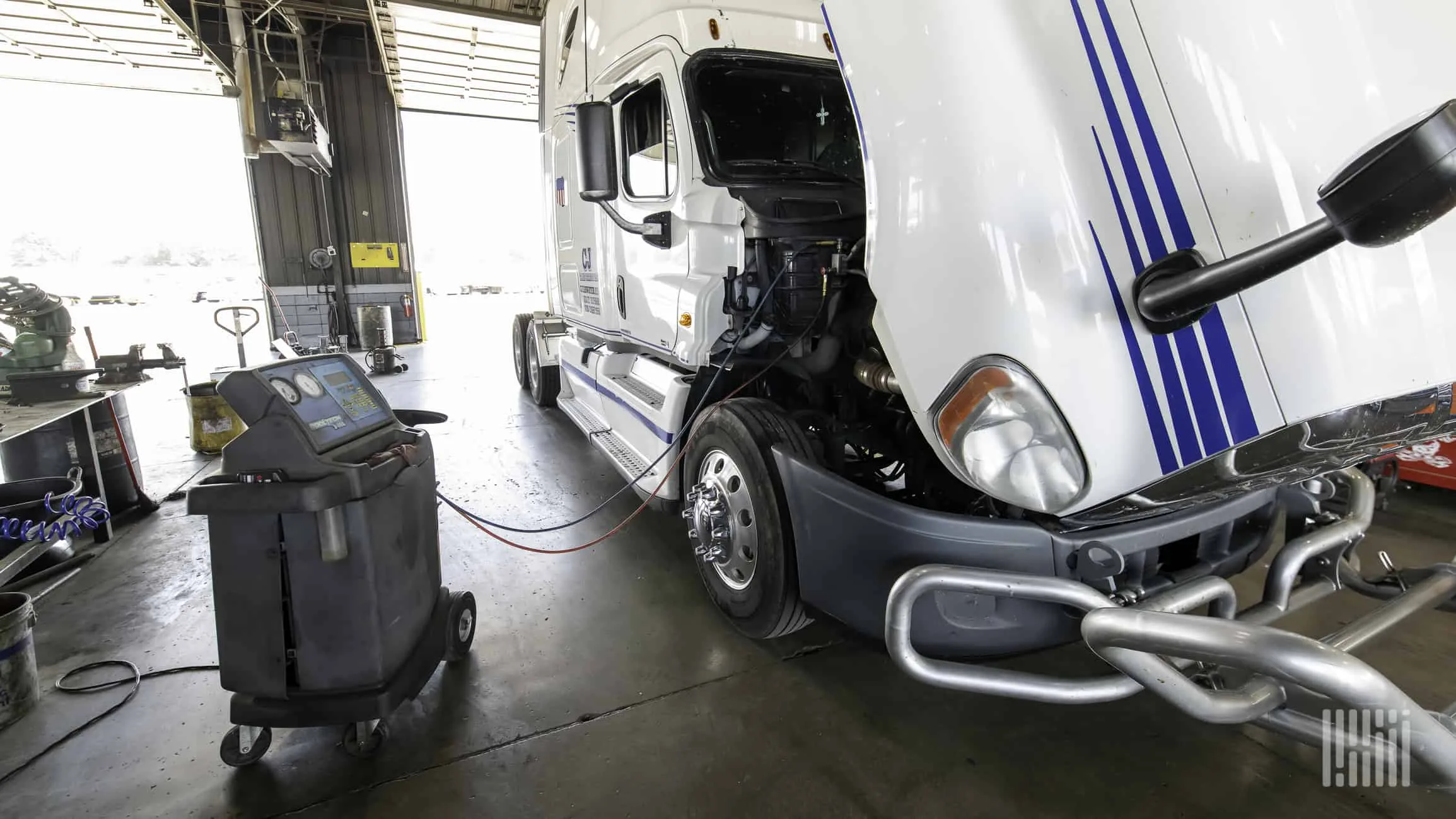

A car can idle smoothly but struggle when accelerating, particularly uphill or at higher engine speeds. One possible cause is restricted exhaust flow, which prevents combustion gases from leaving the engine efficiently. The restriction may have little effect at low loads but become more noticeable when the engine needs additional power.
Excessive exhaust restriction increases the work required to expel gases from the cylinders. Depending on engine design, valve timing and blockage severity, it may also interfere with cylinder clearing, reduce fresh-charge filling and alter exhaust temperatures.
The result can include sluggish acceleration, changes in fuel consumption and additional stress on exhaust components. Identifying the cause matters because a damaged catalytic converter, crushed exhaust pipe and restricted diesel particulate filter require different repairs.
How Exhaust Flow Supports Engine Performance
During the exhaust stroke, the piston pushes spent combustion gases through the exhaust valves and into the exhaust manifold. The gases then travel through pipes and emissions-control components, which may include a catalytic converter, diesel particulate filter and muffler.
Each component has a different purpose. The catalytic converter reduces harmful emissions, a particulate filter captures soot on applicable vehicles, and the muffler reduces noise. Although these components create some resistance, the system must allow sufficient gas flow across the engine's operating range.
When a passage becomes restricted, pressure can rise upstream of the blockage. The piston must work against this pressure during the exhaust stroke, increasing pumping losses and reducing the net power available at the crankshaft.
Restricted flow may also interfere with cylinder scavenging, the removal of spent gases that allows a fresh charge to enter. Depending on engine speed, valve timing and restriction severity, more residual exhaust gas may remain in the cylinder. This can displace some fresh charge and alter its temperature and combustion characteristics, potentially reducing power or combustion stability.
What Causes Restricted Exhaust Flow?
An exhaust restriction can develop inside a component that looks normal from the outside. The cause of the damage helps determine whether cleaning, repair or replacement is appropriate.
Catalytic converter damage
A catalytic converter contains a honeycomb-like substrate with small passages that allow gases to flow while supporting chemical reactions that reduce harmful pollutants.
Contamination and physical blockage are different problems. Oil-derived ash or coolant-related deposits can impair catalytic performance, while a substrate that melts, collapses or breaks apart can physically restrict exhaust flow.
Excessive heat is one possible cause of substrate damage. Persistent ignition misfires can send unburned fuel into the exhaust, where it may burn inside the converter and create damaging temperatures. Excessive oil consumption or coolant entering the combustion process can also contaminate or damage the catalyst.
A converter that has lost emissions efficiency is not necessarily blocked. Proper testing is needed to determine whether the problem involves reduced catalytic activity, restricted flow or both.
Damaged exhaust pipes and mufflers
A crushed exhaust pipe reduces the space available for gases to pass through. Corrosion can weaken components, while internal deterioration may obstruct passages inside a muffler.
A restriction does not always make the exhaust louder. A leaking pipe may produce additional noise, but an internal obstruction can reduce flow without an obvious change in sound.
Diesel particulate filter restriction
A diesel particulate filter (DPF) captures soot before it leaves the exhaust. Regeneration raises the filter temperature under controlled conditions to burn accumulated soot.
Soot loading may become excessive when regeneration repeatedly fails or is interrupted. Short trips, low exhaust temperatures, engine faults and problems with the regeneration system can contribute, depending on the vehicle.
Ash behaves differently because it does not burn away during normal regeneration. The appropriate repair depends on soot and ash loading, the filter's physical condition and the manufacturer's service procedures.
Why Restricted Exhaust Flow Reduces Engine Power
A partial obstruction may have little effect at idle but significantly limit performance when the vehicle accelerates.
As engine speed and load increase, the engine generally needs to move a greater volume of exhaust gas. If the passage cannot handle that flow, pressure upstream of the blockage can rise, increasing the work required to expel gases.
The effect depends on the pressure difference across the restriction and the engine's design. In some engines, reduced exhaust flow may also interfere with cylinder scavenging and limit fresh-charge filling. These effects are not identical across all engine types.
This explains why a vehicle might perform acceptably at low speeds but struggle when climbing a hill or accelerating onto a highway. The engine is demanding more exhaust flow, and the restricted system becomes a bottleneck.
Warning Signs and Other Possible Causes
Restricted exhaust flow can produce recognisable symptoms, but none confirms the problem on its own.
Common warning signs include:
- Sluggish acceleration: The engine responds slowly to throttle input.
- Weak hill-climbing performance: The vehicle struggles to maintain speed under load.
- Limited engine speed: The engine may struggle to rev normally.
- Reduced fuel economy: More fuel may be required to maintain driving performance.
- Warning lights: The engine management system may detect an emissions or performance fault.
- Unusual heat or burning smells: These may indicate component damage or another serious fault.
Fuel-delivery problems, ignition misfires, boost leaks, faulty turbochargers and malfunctioning sensors can produce similar symptoms. A diagnostic code can help narrow the possibilities, but it does not automatically prove that the catalytic converter needs replacing.
Can Restricted Exhaust Flow Increase Fuel Consumption?
Yes, although the effect varies with driving conditions, engine design and electronic control strategies.
When an engine produces less power, the driver may need to apply more throttle or spend longer operating under load to maintain speed. Depending on gearing and engine-management responses, this can increase fuel consumption per kilometre.
Some vehicles may also reduce engine output electronically when a fault exceeds permitted limits. Consequently, fuel consumption may change differently between vehicles with different control strategies.
Poor fuel economy alone is not sufficient evidence of an exhaust restriction. Changes in driving habits, tyre pressure, dragging brakes and other mechanical faults can produce similar results.
How Exhaust Restriction Affects Heat and Turbochargers
Exhaust temperature and component damage
A restriction changes pressure and gas-flow conditions around the affected part of the exhaust system, but it does not necessarily make every section hotter.
A catalytic converter can experience damaging temperatures when unburned fuel enters and burns inside it, particularly during persistent misfires. The resulting heat may melt or fracture the substrate, creating an obstruction that further limits exhaust flow.
The underlying cause matters as much as the restriction. Replacing a damaged converter without correcting the engine fault that overheated it may lead to another failure.
Exhaust-related heat should also be distinguished from engine coolant overheating. If the temperature gauge rises above normal, the cooling system and other possible causes require investigation.
Turbocharger performance
A turbocharger uses exhaust gas energy to drive a turbine, which powers a compressor that supplies pressurised air to the engine.
A restriction downstream of the turbine can increase turbine-outlet pressure, reducing the pressure difference available to drive the turbine. Depending on the system, this may increase pumping losses and affect boost response.
The driver may notice sluggish acceleration or reduced pulling power, although the effects on exhaust temperature depend on the restriction's location, engine calibration and operating conditions. A faulty actuator, damaged turbocharger or boost leak can cause similar symptoms.
How Mechanics Diagnose an Exhaust Restriction
A reliable diagnosis combines the vehicle's symptoms with electronic data and suitable physical tests.
Diagnostic scanning: Stored fault codes and live sensor data can help identify emissions problems, misfires or reduced-power strategies. The results guide further testing but do not necessarily identify the failed component.
Backpressure testing: A mechanic measures exhaust pressure at an appropriate test point under specified operating conditions and compares the result with manufacturer guidance.
Locating the obstruction: Additional pressure measurements at suitable points may help determine which section is responsible. Confirming excessive backpressure and identifying its precise location are related but separate diagnostic tasks.
DPF and sensor checks: Testing may include differential-pressure readings, soot loading and regeneration history. Faulty wiring, an inaccurate pressure sensor or blocked, damaged or leaking pressure-sensing hoses can distort readings and must be considered.
Physical inspection: Technicians look for crushed pipes, corrosion and heat damage. Internal restrictions may require further testing because an exterior inspection cannot confirm a component's condition.
When Does Repair No Longer Make Financial Sense?
A restricted exhaust does not automatically make a car uneconomical to repair. An isolated exhaust fault may be straightforward to address, particularly when the engine, transmission and body remain in good condition.
The decision changes when a vehicle already has several unrelated problems, such as high oil consumption, transmission trouble or structural corrosion. These faults are not necessarily caused by the exhaust restriction, but they affect the cost of keeping the vehicle.
Compare the expected repair bill with the vehicle's current market value, overall condition and likelihood of further repairs. Repairing it, selling it privately, trading it in or arranging removal may all be reasonable options.
For owners considering disposal, searches such as cash for broken cars Brampton and good money for scrap car Oakville reflect the question of what a vehicle might be worth in its current condition. An assessment may consider its weight, completeness, current scrap-metal prices, model, towing requirements and the condition and demand for reusable components.
The key is to distinguish an exhaust fault that can be repaired economically from a vehicle whose overall condition makes further investment impractical. A proper diagnosis identifies the fault, while the vehicle's complete condition helps determine the next step