

For Denver drivers who navigate everything from steep hillsides to pothole-ridden city streets, vehicle suspension systems are often the unsung heroes of a smooth and safe ride. Your suspension doesn’t just contribute to comfort—it plays a critical role in steering, braking, and overall vehicle stability. Neglecting this vital system can lead to hazardous driving conditions and expensive repair bills down the road.
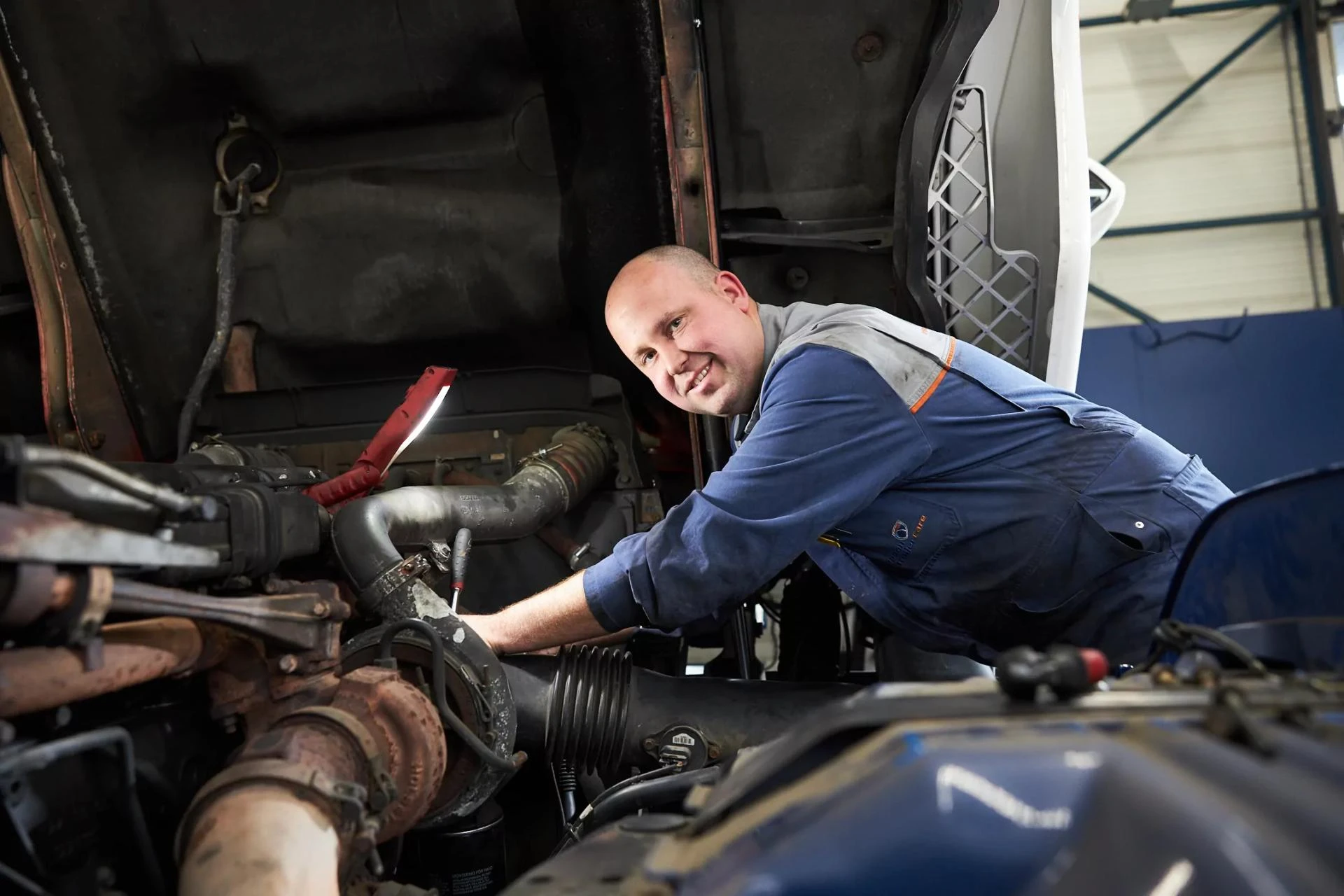
If you're managing a fleet or own a heavy-duty vehicle in the Mile High City, preventive care becomes even more critical. Heavy loads and fluctuating temperatures in Denver can accelerate wear on your suspension, making regular inspections essential. When problems go unnoticed, what begins as a minor issue can rapidly evolve into a major repair requiring extensive Truck repairing expertise.
Key Points
- Suspension systems are fundamental to vehicle safety, stability, and comfort.
- Denver’s unique driving conditions increase wear and tear on suspension components.
- Routine suspension checks can identify minor issues before they become costly repairs.
- Signs of suspension problems include uneven tire wear, drifting, and unusual noises.
- Fleet operators and everyday drivers alike benefit from scheduled maintenance.
Understanding Your Vehicle’s Suspension System
The suspension system is a complex assembly of springs, shock absorbers, struts, control arms, and linkages that connect your vehicle to its wheels. It serves three main purposes: maximizing tire contact with the road, ensuring steering stability and handling, and providing comfort by absorbing shocks from terrain irregularities.
Key Components
- Shocks and Struts: These absorb road impact and stabilize the vehicle’s movement.
- Springs: Coil or leaf springs support the vehicle’s weight and absorb energy from impacts.
- Control Arms and Bushings: These pivot the wheel assembly and help maintain alignment.
- Ball Joints and Tie Rods: Critical for steering and suspension articulation.
Why Suspension Checks Matter in Denver
In Denver, CO, the combination of fluctuating weather, mountainous terrain, and urban driving conditions make vehicles especially vulnerable to suspension wear. Snowplows often leave behind cracked pavement, and frequent temperature changes can cause expansion and contraction in road surfaces, increasing shock strain on your suspension system.
Moreover, if you operate a fleet in industries like delivery or construction, your trucks are constantly exposed to heavy loads and uneven surfaces. Regular suspension inspections help you spot early signs of wear, preventing breakdowns that could disrupt operations and finances.
Signs Your Suspension Might Be Failing
Recognizing the early symptoms of suspension issues can save you from unexpected downtime and high repair bills. Here are common warning signs:
- Uneven Tire Wear: May indicate misalignment or worn shocks/struts.
- Vehicle Pulling or Drifting: A sign of alignment issues or worn suspension parts.
- Excessive Bouncing: If your vehicle bounces after hitting a bump, shocks may be failing.
- Nose Dives When Braking: Indicates worn shocks or struts.
- Clunking or Squeaking Noises: These often come from damaged bushings or joints.
The Cost of Ignoring Your Suspension
While it may be tempting to postpone a suspension check, delaying can significantly increase your repair costs. Damaged suspension components often affect other vehicle systems. For instance, a worn-out shock absorber can cause uneven tire wear, forcing you to replace tires prematurely. Misalignment due to bad control arms can also affect your steering system, making handling unsafe and repairs more complex and expensive.
Fleet managers in Denver should be especially cautious. A downed vehicle affects not just repair budgets but also delivery schedules, staff productivity, and customer satisfaction. Preventive maintenance is a cost-effective strategy to avoid these chain-reaction issues.
What’s Involved in a Suspension Check?
A comprehensive suspension check typically includes the following steps:
- Visual inspection of shocks, struts, and springs for leaks or damage
- Evaluation of tire condition and wear patterns
- Checking ball joints, bushings, and control arms for looseness or corrosion
- Assessing wheel alignment and steering linkage
- Road testing to identify performance issues like drifting or unusual noises
These checks can be done during routine oil changes or seasonal maintenance, ensuring suspension issues are caught early.
Benefits of Regular Suspension Maintenance
1. Improved Safety
A healthy suspension system keeps your tires firmly on the road, improving traction, handling, and braking response—all vital for navigating Denver’s risky winter roads or sudden afternoon thunderstorms.
2. Extended Vehicle Lifespan
Cars and trucks with well-maintained suspensions tend to experience less wear in related systems, such as steering and braking, thereby extending the overall lifespan of the vehicle.
3. Reduced Long-Term Costs
Investing in regular inspections prevents costly repairs caused by prolonged neglect. Replacing a worn shock absorber is far less expensive than addressing damage to your axle or chassis down the line.
4. Enhanced Ride Comfort
Suspension checks ensure your ride remains smooth, comfortable, and quiet, which is particularly important for long commutes across the Front Range or intercity deliveries.
Fleet Management: A Special Consideration
Fleet vehicles rack up more miles and endure harsher conditions than typical passenger cars. For fleet operators in Denver, implementing a routine suspension inspection protocol can streamline maintenance, reduce downtime, and improve driver safety.
Proactive planning—such as scheduling quarterly suspension assessments—can also contribute to improved budgeting by avoiding surprise repairs and enabling bulk part replacements when needed.
DIY vs. Professional Suspension Inspections
While simple checks like monitoring tire wear or listening for noises can be done by any driver, suspension systems are intricate. A professional mechanic has the tools and expertise to spot issues that aren’t visible to the untrained eye. This is especially true for fleet vehicles, where professional diagnostics can prevent operational setbacks.
When in doubt, it’s always safer and more effective to consult a certified mechanic or a fleet specialist. Issues like misalignment or fluid leaks in struts often go unnoticed until they cause serious damage.
Conclusion
Denver’s roads offer both beauty and challenge. Whether you're commuting through snowy passes or managing a construction fleet downtown, your vehicle's suspension system deserves regular attention. Scheduling consistent suspension checks not only safeguards your vehicle’s performance but also protects your wallet from future repair headaches.
By staying vigilant and enlisting the help of trusted professionals for Truck repairing and preventive maintenance, you extend the life of your vehicle and ensure safe journeys throughout Colorado’s diverse terrain.
FAQ: Suspension Maintenance and Repair
How often should I have my suspension checked?
For most vehicles, a suspension check is recommended at least once a year or every 15,000 miles. However, if you frequently drive on rough roads or carry heavy loads, more frequent inspections are advisable.
Can bad suspension affect fuel efficiency?
Yes. Worn suspension components can cause poor alignment and increased rolling resistance, which may reduce your fuel efficiency over time.
Is it safe to drive with a bad suspension?
Driving with a compromised suspension can be dangerous. It can affect steering control, braking distance, and overall vehicle stability. Address issues as soon as they arise.
What’s the difference between shocks and struts?
Shocks and struts perform similar functions but are structurally different. Struts are integral to the vehicle’s structural integrity and alignment, while shocks mainly control bounce and dampening.
How can I tell if my suspension is affecting tire wear?
Inspect your tires for uneven tread wear or bald spots. These patterns often indicate misalignment or faulty shocks and springs. If in doubt, consult a mechanic.
Are suspension repairs covered under warranty?
This depends on your vehicle’s manufacturer and the type of warranty. Some warranties cover suspension parts for a limited time or mileage; review your specific coverage details to be sure.