Recruiting firms are being asked to do more with the same resources. Clients expect faster shortlists. Candidates expect timely, thoughtful communication. Recruiters, meanwhile, are managing growing databases, fragmented tools, and increasing pressure to reuse past talent effectively. In this environment, even experienced teams can feel stretched.
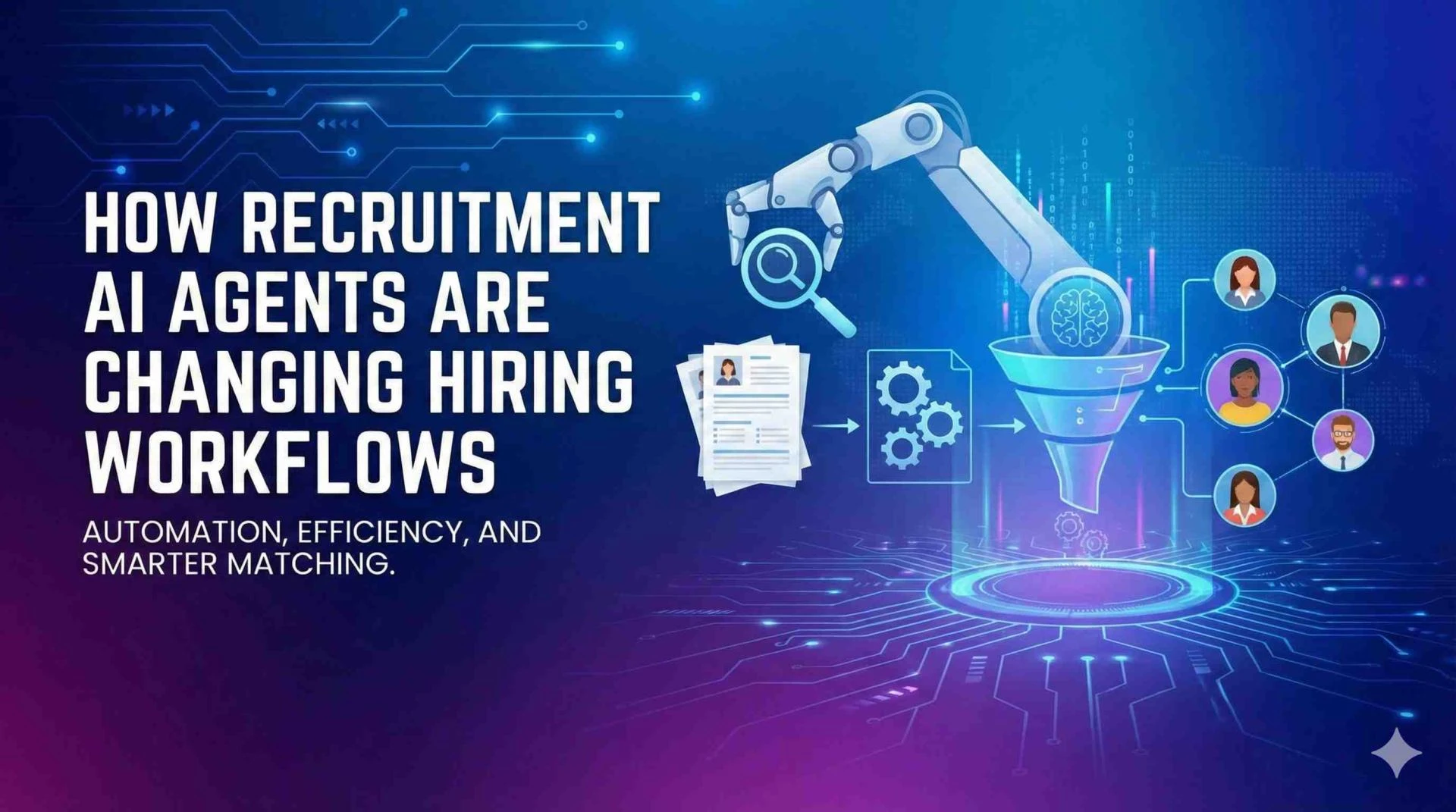
This is where the concept of a recruitment ai agent is beginning to reshape how hiring workflows actually operate day to day.
Why This Problem Matters for Modern Recruiting Firms
Recruiting today isn’t just about finding talent—it’s about managing information at scale. Every search generates data: interview notes, feedback, outreach history, rejection reasons, and timing constraints. When this information isn’t actively used, firms lose context that could shorten future searches.
Over time, these inefficiencies show up as:
- Repetitive sourcing for similar roles
- Missed opportunities to re-engage strong past candidates
- Manual follow-ups that slip through the cracks
For executive search and agency recruiting, where relationships and context are critical, these gaps directly affect outcomes.
How Teams Typically Try to Solve It Today
Most recruiting firms respond by adding more structure. They customize ATS fields, create tagging systems, or introduce additional tools to manage engagement and reporting. Some platforms offer automation features like reminders or resume parsing to reduce workload.
While these steps help, they often rely heavily on recruiters to keep systems updated and connected. Automation exists, but it’s usually reactive—triggered only after manual input—rather than something that works continuously in the background.
Where Traditional Approaches Fall Short
The biggest limitation of traditional recruiting tools is that they store information without understanding it. Candidate profiles become static snapshots instead of evolving records. Notes are saved, but rarely reinterpreted later.
As a result:
- Rediscovering candidates depends on memory or keyword searches
- Valuable context from older searches fades over time
- Recruiters spend time maintaining data instead of using it
Even well-established systems can struggle to turn historical data into practical insight.
How AI-Native Platforms Improve Hiring Workflows
AI-native platforms approach this challenge differently. Instead of treating intelligence as an add-on, they embed it directly into how workflows function.
AI agents can quietly handle ongoing tasks such as updating profiles when candidates change roles, summarizing activity across searches, and highlighting candidates who now fit new requirements. This reduces manual work and keeps data usable without constant upkeep.
For recruiters, the benefit is less time spent managing systems and more time focused on evaluation, conversations, and client guidance.
A Subtle Look at the Competitive Landscape
Many established tools address parts of this workflow well. Platforms like Bullhorn are strong at managing pipelines and operational tracking, particularly for staffing firms. Greenhouse is widely recognized for structured hiring processes and collaboration in in-house environments.
Some newer tools, including Loxo or Eightfold AI, emphasize sourcing intelligence and expanding talent pools through external data. These capabilities can be valuable, especially when speed is the priority.
Where differences often emerge is in how seamlessly intelligence is applied to database reuse and everyday search execution. In many systems, recruiters still need to connect the dots themselves.
Where Stardex Fits Into This Landscape
Stardex was built with recruiting and executive search firms in mind, where context and continuity matter. Its AI-native architecture allows intelligent agents to work across the entire workflow—search, engagement, CRM, and analytics—without requiring constant manual input.
By keeping candidate data current and searchable in context, Stardex helps firms reuse past work more effectively. Instead of starting each search from a blank slate, recruiters can build on existing knowledge within a unified AI recruitment platform that supports both candidate and client management.
The result is a workflow that feels lighter, more consistent, and easier to scale without sacrificing recruiter judgment.
Looking Ahead: A More Sustainable Way to Recruit
Recruitment AI agents aren’t about automating decisions. They’re about supporting better ones. As talent markets tighten and databases grow, firms that can turn historical insight into daily action will be better positioned to compete.
The future of recruiting workflows lies in systems that quietly remove friction, allowing recruiters to focus on the work that truly requires human insight.
If you’d like to see how these workflows come together in practice, you can book a demo to explore how AI-native recruiting platforms support modern search execution.