Real world asset tokenization is quickly becoming one of the most transformative financial innovations of the decade. By converting physical and traditional assets into blockchain-based digital tokens, businesses and investors are discovering new ways to unlock liquidity, improve accessibility, and create entirely new investment opportunities. In 2025, this technology is no longer a concept limited to future speculation—it is a working model with real-world use cases across real estate, commodities, collectibles, and beyond.
This blog explores how tokenizing real-world assets is reshaping global markets, enabling fractional ownership, and giving investors unprecedented access to investment-grade assets. As digital infrastructure and regulation mature, real world asset tokenization is opening the door to billions in value previously locked behind outdated financial models.
What Is Real World Asset Tokenization?
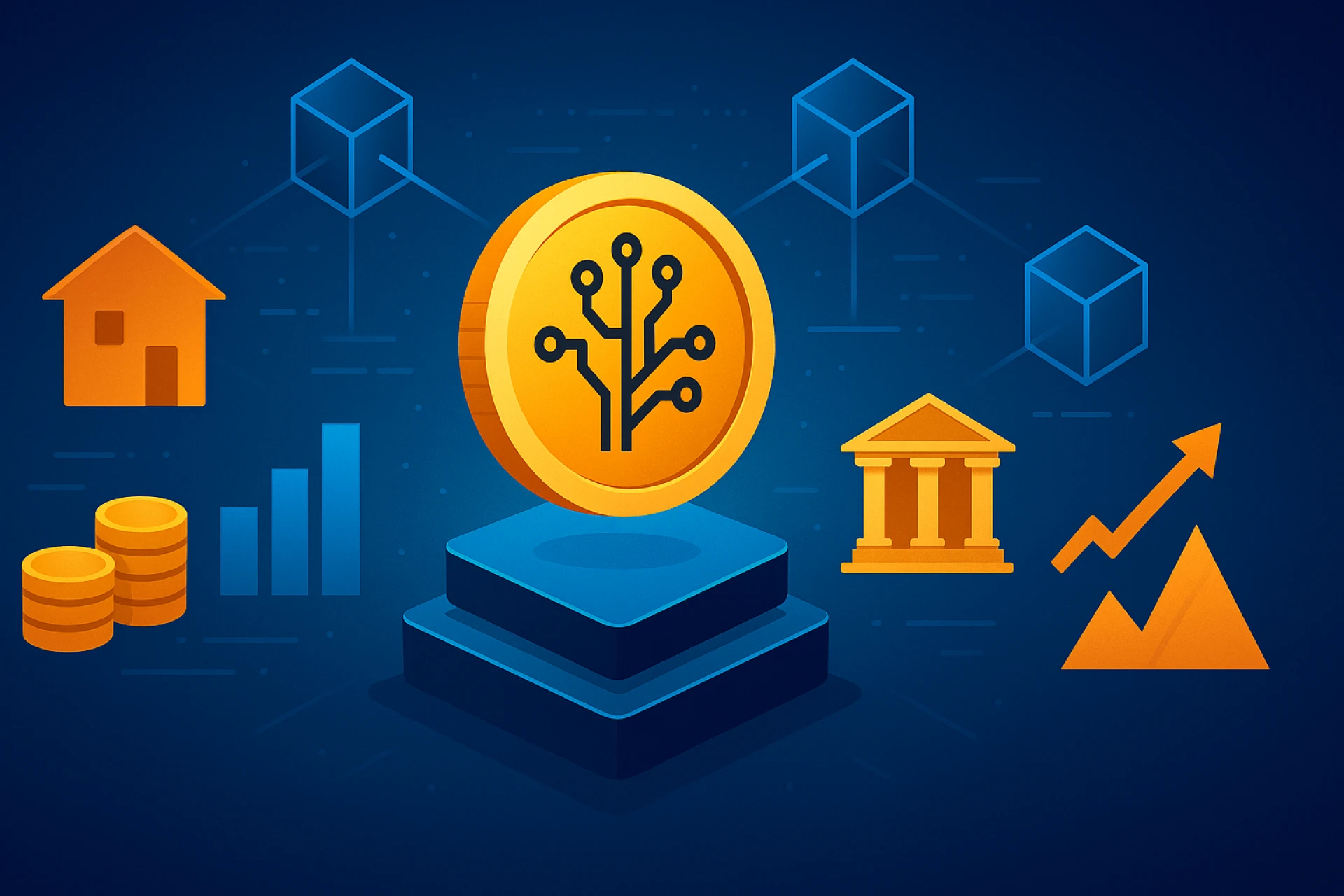
Real world asset tokenization refers to the process of creating a digital representation of a physical or traditional asset on a blockchain. These tokens serve as verifiable, tradable proofs of ownership or entitlement to a share in an underlying asset. The assets being tokenized can range from commercial real estate and art to commodities like gold, or even financial instruments like equity shares or treasury bonds.
The concept is built on smart contracts, which automate ownership transfers, dividend payouts, and compliance functions. The use of blockchain ensures transparency, security, and immutability, making tokenized assets trustworthy and tradable in global digital marketplaces.
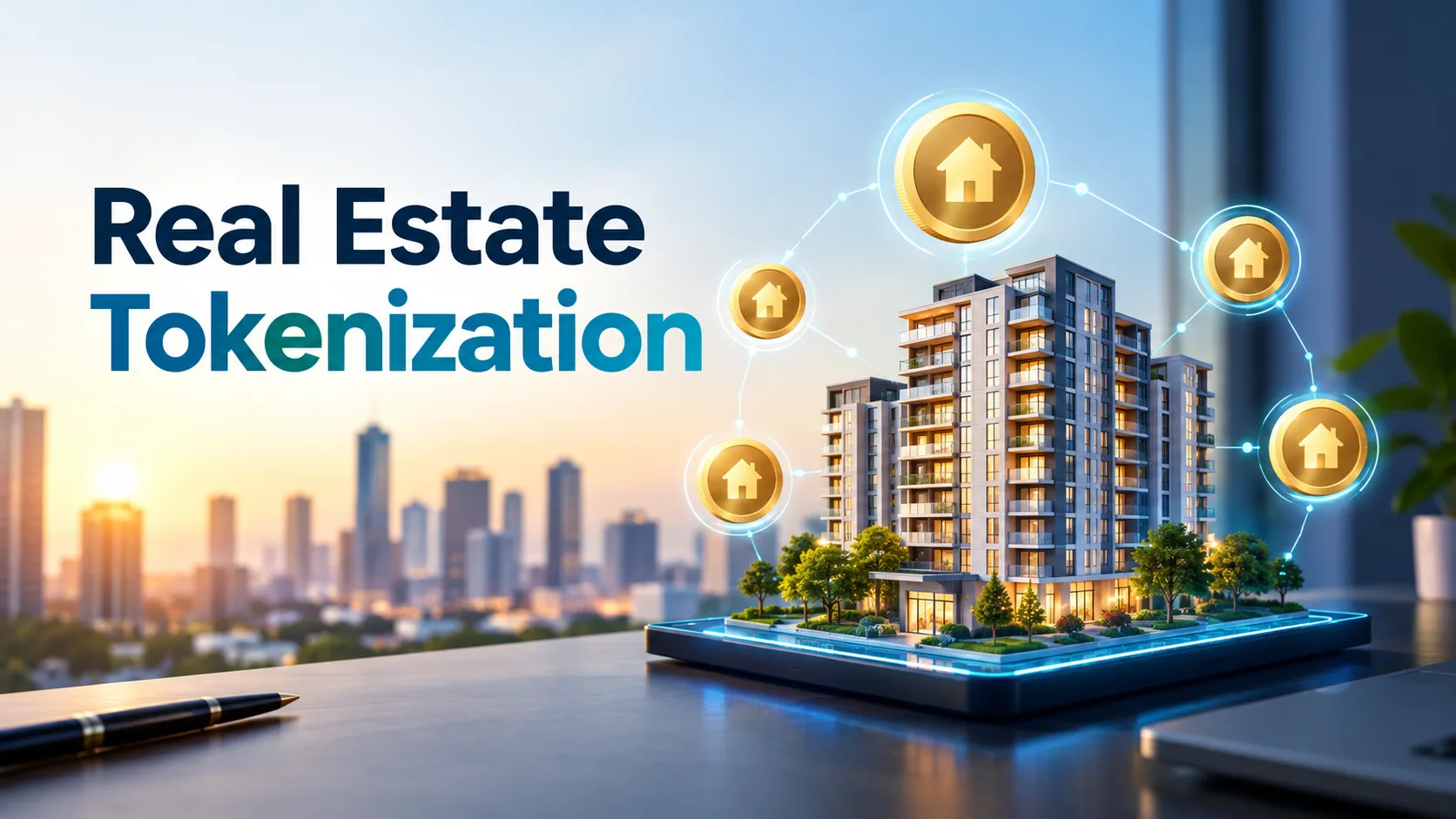
For example, consider a commercial property worth $10 million. Through tokenization, the owner can divide this asset into one million tokens priced at $10 each. Investors around the world can purchase these tokens, gaining exposure to property returns without dealing with brokers, agents, or complicated legal documentation.
Why Real World Assets Are Being Tokenized Now
Several key drivers are fueling the rise of real world asset tokenization in 2025. First, blockchain technology has become more scalable and secure, with platforms like Ethereum, Polygon, Avalanche, and others offering robust environments for smart contracts and digital assets.
Second, investor demand for diversification, transparency, and fractional ownership has risen sharply. As traditional markets become more volatile, investors are turning to tangible assets—especially ones that offer lower entry barriers and liquidity through tokenization.
Third, regulatory clarity is improving in many jurisdictions. Countries like the United Arab Emirates, Singapore, and several EU nations have implemented or proposed frameworks that support asset-backed token issuance. Institutions such as BlackRock, JPMorgan, and Franklin Templeton are also exploring tokenized products, further validating the model.
Finally, there’s a clear financial incentive. Businesses and asset owners can unlock capital faster and reach global investor bases at a fraction of the cost of traditional funding methods.
Unlocking Billions in Value: The Core Benefits
Real world asset tokenization isn't just a technical innovation—it’s a financial breakthrough. Here's how it’s unlocking billions in investment potential:
Liquidity for Illiquid Assets
Historically, assets like real estate, artwork, and collectibles have been highly illiquid. Selling them takes time, legal paperwork, and intermediaries. Tokenization transforms these into tradeable tokens that can be sold on compliant exchanges or marketplaces in seconds. Investors no longer need to hold onto an asset for years to realize returns.
Fractional Ownership
With tokenization, an investor doesn’t need to buy an entire asset. They can purchase a fraction of it, lowering the barrier to entry. This is particularly powerful in high-value markets like real estate or fine art, where individual investors were previously excluded. Now, retail and institutional participants alike can invest with as little as a few hundred dollars.
Global Access
Tokenized assets can be listed on decentralized or regulated exchanges, enabling borderless access. A real estate project in London can attract investors from India, Brazil, or Japan instantly. This global reach enhances capital efficiency and brings new investors into traditionally local markets.
Transparency and Security
Blockchain’s immutable ledger ensures that every transaction, ownership change, or payout is recorded and publicly verifiable. Smart contracts remove the need for intermediaries and automate key functions, reducing human error and fraud risks. Investors can trust that what they see is accurate and secure.
Faster Settlements and Lower Costs
Traditional asset transfers can take weeks. Tokenized asset transfers, especially peer-to-peer, are near-instant and come with far lower fees. Smart contracts streamline compliance, escrow, and payout operations—saving time and money for everyone involved.
Real-World Use Cases Thriving in 2025
The promise of RWA tokenization is no longer hypothetical. Numerous sectors are seeing live implementations that are already generating value.
Real Estate Tokenization
Platforms like RealT, Brickken, and Tokeny are leading the way in real estate tokenization. Investors can now buy fractional ownership in rental properties and receive tokenized monthly rental income. Developers can raise capital faster and more flexibly than through traditional real estate investment trusts or banks.
Tokenized Bonds and Equities
Institutional giants like JPMorgan and Goldman Sachs have begun experimenting with tokenized bonds. Franklin Templeton has issued a tokenized mutual fund that exists entirely on blockchain. These products give investors access to conventional financial instruments through more transparent, liquid, and programmable structures.
Tokenized Commodities
Gold, silver, and other tangible resources are being tokenized and traded through blockchain platforms. These tokens are backed by physical reserves held in vaults, giving investors a more accessible way to hedge against inflation and market volatility.
Collectibles and Luxury Assets
Rare collectibles, luxury watches, exotic cars, and even vineyards are being tokenized. Companies are making it possible for everyday investors to hold digital shares of these unique assets while owners retain physical custody or revenue rights.
Enabling Technology and Infrastructure
Tokenizing real-world assets requires a secure, compliant, and scalable technological stack. Here’s what enables this ecosystem in 2025:
Blockchain Networks
Ethereum, Avalanche, Polygon, and similar blockchains provide the foundation. They allow token creation, enforce smart contracts, and enable interoperability with wallets, exchanges, and DeFi platforms.
Oracles and Valuation Services
Oracles like Chainlink are critical in bringing real-world data—such as market prices, asset values, and legal events—onto the blockchain. This ensures that token values are accurate and smart contracts can trigger functions based on external conditions.
Custodians and Legal Frameworks
To ensure the real-world asset is protected and legally tied to the token, platforms work with custodians and legal trustees. These custodians safeguard the underlying assets while issuing tokens that represent true ownership rights.
Token Standards
Tokenization is standardized using formats such as ERC-20, ERC-721, and newer regulatory-compliant formats like ERC-3643. These make tokens interoperable across wallets and marketplaces while incorporating identity verification and compliance mechanisms.
The Role of Regulation in Driving Growth
In 2025, regulation is playing a more constructive role than ever before. Financial authorities in the EU, US, Singapore, and the UAE are providing clearer definitions and classifications for tokenized securities and asset-backed tokens.
In Europe, MiCA and the Pilot Regime allow for sandbox testing and token issuance under specific regulatory conditions. In the United States, while the SEC remains cautious, projects that register under Reg A or Reg D exemptions are able to issue legally compliant tokens to accredited or retail investors.
This maturing regulatory environment is creating a safer, more trusted space for institutional capital to enter the RWA tokenization market.
Investor and Business Opportunities
For investors, tokenized real world assets represent a compelling opportunity to diversify across non-correlated asset classes, enter premium markets at lower costs, and gain yield from income-generating assets. Whether it’s rental income from tokenized apartments or dividends from tokenized stocks, investors can build dynamic portfolios with real-world exposure.
For businesses, tokenization is a revolutionary funding model. Startups can tokenize equity to raise early capital. Real estate developers can offer tokenized property shares in place of expensive bank loans. Supply chain companies can tokenize invoices to access instant working capital.
Tokenization is also streamlining shareholder management, enabling instant distribution of dividends, voting rights, and compliance reporting—all embedded in programmable smart contracts.
What Comes Next?
While tokenization is already unlocking billions in assets, the future potential is even greater. Interoperability between blockchains, adoption of central bank digital currencies (CBDCs), and improvements in cross-border regulatory standards will further accelerate the market.
Tokenized financial markets may soon include everything from carbon credits and intellectual property to farmland and renewable energy projects. The convergence of tokenization with AI, IoT, and edge computing will add even more automation and data-driven transparency to this evolving ecosystem.
Conclusion
Real world asset tokenization is not just an emerging trend—it’s a structural transformation in how assets are owned, traded, and invested in. By making traditionally illiquid and inaccessible assets liquid, fractional, and borderless, tokenization is unlocking billions in investment opportunities.
In 2025, this technology is already proving its worth across real estate, commodities, equities, and more. Investors seeking greater access, transparency, and diversification should start exploring this space now. Businesses, too, can use tokenization to unlock capital, engage a broader investor base, and streamline their asset operations.