
In a world where markets shift rapidly and customer expectations evolve by the day, businesses can no longer rely on outdated, siloed, or batch-processed information. Decision-making today requires speed, precision, and context—qualities made possible only through real-time data integration. As organizations embrace digital transformation, real-time integration has emerged as a critical capability that empowers teams with instant insights, seamless workflows, and faster responses to market demands.
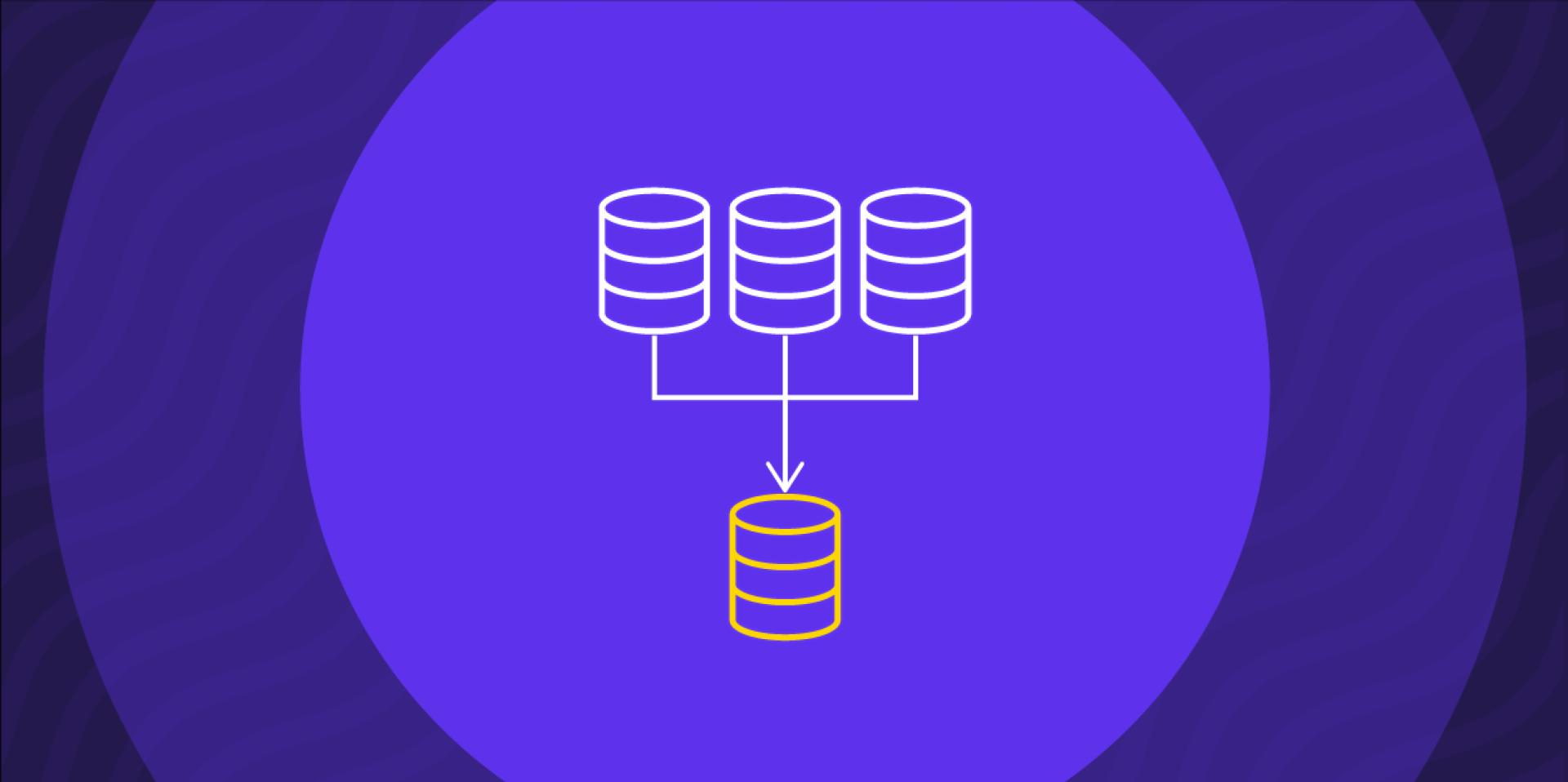
Real-time data integration allows companies to collect, process, and analyze data from multiple systems the moment it is generated. This eliminates delays, improves accuracy, and ensures that decisions are backed by the most current information. With the help of advanced software integration services, businesses can unify their technology stack, reduce data fragmentation, and unlock immediate, actionable intelligence across departments.
The Need for Real-Time Insights in Modern Business
Digital-era businesses operate in environments where delays can be expensive. Whether it's missing a sales opportunity, detecting fraud too late, or failing to adjust pricing during demand spikes, outdated data can lead to costly outcomes.
Here are some challenges companies face when they lack real-time integration:
Slow Decision Cycles
When data is updated only in batches, businesses rely on historical information that may not reflect the current market situation. This leads to delayed responses and missed opportunities.
Data Silos and Fragmentation
Sales, marketing, operations, finance, and support teams often use different tools. Without integration, each department works with partial or outdated information.
Poor Customer Experience
Customers expect immediate updates—real-time order tracking, instant notifications, and fast service. Without integrated systems, delivering such experiences becomes difficult.
Increased Operational Risk
Delayed data increases the risk of errors, fraud attempts going unnoticed, inaccurate forecasting, and compliance gaps.
Real-time data integration solves these issues by connecting systems, breaking down silos, and ensuring information flows continuously and accurately across the organization.
What Is Real-Time Data Integration?
Real-time data integration refers to the process of collecting, transforming, and sharing data across systems instantly as it is created. It combines modern integration practices such as APIs, event-driven architectures, streaming platforms, and middleware to ensure that every part of the business ecosystem gets updated information without delays.
Organizations rely on software integration services to implement real-time data pipelines that:
- connect legacy and modern systems
- enable instant data synchronization
- support cloud and hybrid environments
- deliver actionable insights on the fly
This enables teams to make informed decisions based on live, contextual data rather than outdated snapshots.
How Real-Time Data Integration Powers Faster, Smarter Decisions
Real-time data integration brings a wide range of benefits that transform the way businesses operate and innovate.
1. Enhances Operational Efficiency
Instant information-sharing eliminates manual data entry, repetitive tasks, and communication delays. Teams can work more efficiently because they always have the latest insights at their fingertips.
For example:
- Inventory levels update instantly based on sales
- Customer support systems get immediate customer history updates
- Finance teams access real-time transaction data
This creates cohesive, efficient workflows across the organization.
2. Supports Data-Driven Decision Making
When decision-makers have real-time visibility across departments, analysis becomes easier and more accurate. Leaders can respond to market changes instantly, optimize operations, and identify opportunities ahead of competitors.
Examples include:
- Dynamic pricing adjustments
- Real-time resource allocation
- Immediate identification of supply chain bottlenecks
Fast decisions backed by fresh data give businesses a substantial competitive edge.
3. Improves Customer Experience
Modern customers expect instant responses and personalized service. Real-time data integration makes it possible to deliver:
- instant order updates
- real-time recommendations
- faster issue resolution
- personalized marketing messages
By integrating CRM, ERP, customer support, and analytics platforms, businesses ensure every customer interaction is informed by the latest data.
4. Enables Predictive and Proactive Models
Real-time data feeds AI and machine learning models with continuous, fresh information. This improves forecasting accuracy and enables proactive strategies.
Examples:
- predicting demand spikes
- detecting fraud attempts instantly
- identifying customer churn signals
- optimizing supply chain performance in real time
Industries like fintech often hire fintech consultants to build intelligent, integrated systems that combine real-time data with advanced predictive models. This gives financial institutions better control, faster insights, and stronger risk detection capabilities.
5. Ensures Better Compliance and Risk Management
Compliance-heavy industries such as finance, healthcare, and insurance depend heavily on accurate, up-to-date data. Real-time integration helps:
- monitor transactions instantly
- detect suspicious activities
- reduce compliance gaps
- keep audit trails accurate and timely
Businesses minimize financial risks and ensure adherence to regulatory requirements.
6. Supports Cloud and Hybrid Ecosystems
Modern IT environments often combine on-premise legacy systems with cloud applications. Real-time integration connects all these components, providing a unified ecosystem.
Software integration services help organizations overcome compatibility issues and ensure continuous, real-time data flow across platforms like:
- Salesforce
- SAP
- Oracle
- Azure
- AWS
This offers flexibility, scalability, and future-proof operations.
Key Technologies Behind Real-Time Data Integration
Real-time integration is powered by a combination of advanced tools and architectural approaches.
API Integration
APIs enable seamless real-time communication between applications. They are widely used to connect mobile apps, CRMs, payment systems, and more.
Event-Driven Architecture (EDA)
EDA triggers workflows instantly when an event occurs—for example, when a customer completes a transaction. This is essential for real-time automation.
Data Streaming Platforms
Technologies such as Apache Kafka or AWS Kinesis handle large volumes of real-time data, making them ideal for analytics and monitoring.
Middleware Systems
Middleware tools provide unified layers that connect different systems, helping maintain real-time data consistency.
Cloud-Native Integration Solutions
Cloud integration tools streamline connectivity across distributed environments and support high scalability.
Organizations often hire fintech consultants to help them choose the right integration model, especially when complex financial systems, legacy platforms, and real-time environments are involved.
Real-Time Integration Use Cases Across Industries
Real-time data integration benefits nearly every industry.
Retail
- dynamic pricing
- personalized promotions
- inventory updates in real-time
Fintech
- instant fraud alerts
- real-time payment updates
- automated compliance checks
Healthcare
- real-time patient monitoring
- faster diagnostic insights
Logistics
- live shipment tracking
- automated route optimization
Manufacturing
- predictive maintenance
- real-time production insights
In high-stakes sectors like finance, companies prefer to hire fintech consultants who can design secure, compliant, real-time data architectures.
How Software Integration Services Enable Real-Time Operations
Software integration services play a crucial role by:
- connecting legacy and modern systems
- designing real-time APIs
- integrating cloud platforms
- building event-driven workflows
- enabling real-time dashboards and analytics
Integration experts ensure that every component—databases, CRMs, ERPs, applications, and machine learning models—works together seamlessly.
Conclusion
Real-time data integration is essential for businesses that aim to remain competitive, responsive, and innovative in today’s digital-first world. By ensuring instant data availability, organizations can make faster, smarter decisions that improve operations, enhance customer experience, and reduce risks.
Whether it's streamlining workflows, improving forecasting, or enabling proactive strategies, real-time integration serves as the backbone of intelligent decision-making. Companies that want to build secure, scalable, and real-time-enabled ecosystems often choose to hire fintech consultants and leverage expert software integration services to ensure their systems operate smoothly and efficiently.