Real estate has long been considered a stable yet illiquid asset class. Traditional property investments often require significant capital, lengthy transaction cycles, and limited participation from smaller investors. These constraints restrict market efficiency and slow capital movement.
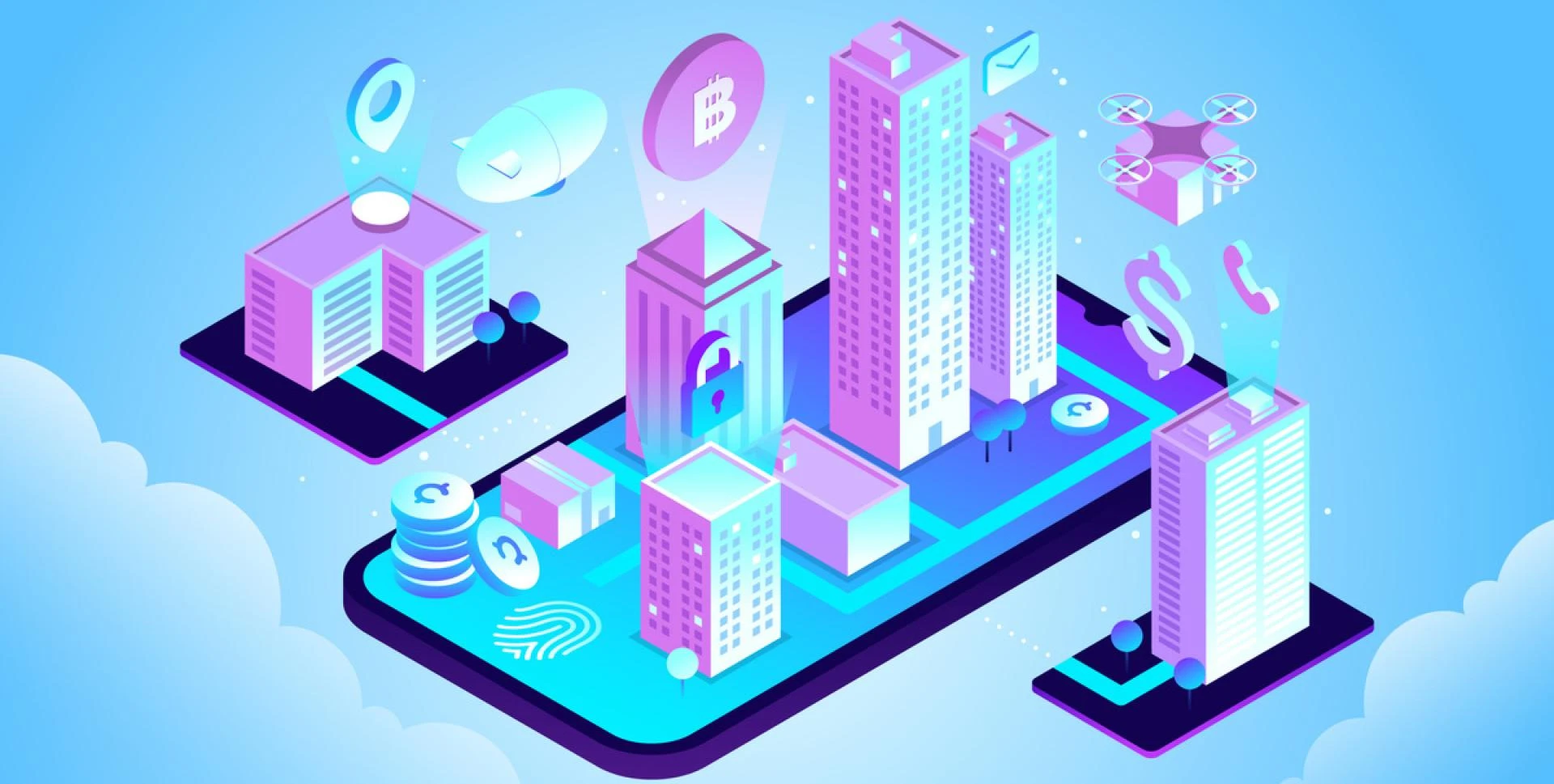
The emergence of a custom Real Estate tokenization platform is transforming this landscape. By leveraging blockchain technology, tokenization converts physical real estate assets into digital tokens, enabling fractional ownership, faster transactions, and broader market participation. As adoption accelerates, businesses and investors are increasingly recognizing its potential to unlock liquidity and democratize access.
What Is a Custom Real Estate Tokenization Platform?
A custom Real Estate tokenization platform is a tailored digital infrastructure that enables the issuance, management, and trading of tokenized real estate assets on blockchain networks. Unlike generic solutions, custom platforms are built to align with specific business models, regulatory environments, and investor requirements.
These platforms integrate compliance frameworks, investor onboarding systems, and asset management tools, ensuring seamless execution of real estate tokenization strategies. Customization allows enterprises to control governance structures, token economics, and user experiences—critical for scaling institutional-grade solutions.
How Tokenization Platforms Increase Asset Liquidity
Fractional Ownership Enables Smaller Investment Units
Tokenization divides high-value real estate assets into smaller, tradable units. Instead of requiring millions in capital, investors can purchase fractions of a property.
How it improves liquidity:
- Expands the pool of potential buyers
- Reduces capital lock-in for individual investors
- Enables partial exits rather than full asset liquidation
Business outcome: Asset owners can access capital faster, while investors gain flexibility in portfolio allocation.
Secondary Market Trading Opportunities
Tokenized assets can be listed on compliant secondary marketplaces, allowing investors to trade ownership stakes without waiting for full property sales.
How it improves liquidity:
- Creates continuous buy-sell opportunities
- Reduces holding periods
- Establishes market-driven pricing mechanisms
Business outcome: Real estate becomes more comparable to financial instruments, with improved turnover and price discovery.
Faster Transactions Through Blockchain
Traditional real estate transactions involve multiple intermediaries, manual documentation, and lengthy settlement periods. Tokenization streamlines this process.
How it improves liquidity:
- Enables near-instant settlement of transactions
- Reduces delays caused by verification and paperwork
- Minimizes operational bottlenecks
Business outcome: Capital cycles accelerate, allowing investors and asset managers to redeploy funds more efficiently.
Reduced Reliance on Intermediaries
Blockchain-based platforms automate processes traditionally handled by brokers, escrow agents, and legal intermediaries.
How it improves liquidity:
- Lowers transaction costs
- Simplifies deal execution
- Eliminates friction in ownership transfers
Business outcome: Increased efficiency encourages more frequent transactions, enhancing overall market liquidity.
How Tokenization Expands Investor Access
Lower Investment Barriers
Tokenization significantly reduces the minimum investment required to participate in real estate.
How it enhances access:
- Opens opportunities to retail and mid-tier investors
- Enables portfolio diversification across multiple properties
- Reduces financial risk exposure per asset
Real-world impact: Investors can allocate smaller amounts across geographies and asset classes rather than committing to a single property.
Global Investor Participation
Blockchain platforms are inherently borderless, enabling participation from investors worldwide, subject to regulatory compliance.
How it enhances access:
- Removes geographic limitations
- Connects global capital with local real estate markets
- Broadens investor reach for asset owners
Real-world impact: Developers can attract international funding without relying solely on domestic capital markets.
Increased Transparency and Trust
Blockchain ensures that all transactions and ownership records are immutable and verifiable.
How it enhances access:
- Builds investor confidence through transparent data
- Reduces information asymmetry
- Enables real-time tracking of asset performance
Real-world impact: Greater trust attracts new investors who may have previously avoided real estate due to opacity.
Automation Using Smart Contracts
The integration of smart contracts in real estate automates critical functions such as dividend distribution, compliance checks, and ownership transfers.
How it enhances access:
- Simplifies complex processes for investors
- Reduces administrative overhead
- Ensures consistent and error-free execution
Real-world impact: Investors experience a streamlined, user-friendly investment process, increasing participation rates.
Business Impact of Real Estate Tokenization Platforms
The combination of enhanced liquidity and broader access leads to a more dynamic and efficient real estate market. Asset owners benefit from faster capital inflows, while investors gain flexibility and diversification opportunities. Over time, this contributes to increased transaction volumes, improved asset utilization, and stronger market resilience.
Why Choosing the Right Development Partner Matters
Building a scalable and compliant platform requires deep expertise in blockchain architecture, regulatory frameworks, and asset management systems. A custom approach ensures alignment with jurisdictional requirements and business objectives.
Debut Infotech has established itself as a trusted provider of custom Real Estate tokenization platform solutions, with proven experience in the tokenization of real world assets. Their focus on security, scalability, and regulatory compliance enables enterprises to deploy robust platforms that support long-term growth.
Key Takeaways
- Tokenization transforms real estate into liquid, tradable digital assets
- Fractional ownership significantly expands the investor base
- Blockchain reduces transaction time and operational complexity
- Global access enables cross-border investment opportunities
- Smart contract automation improves efficiency and trust
- Custom platforms are essential for scalability and compliance
FAQs
Q. What is real estate tokenization?
It is the process of converting property ownership into digital tokens on a blockchain, enabling fractional investment and easier trading.
Q. How does tokenization improve liquidity?
By enabling fractional ownership and secondary market trading, it allows investors to buy and sell portions of assets more easily.
Q. Are tokenized real estate assets secure?
Yes, blockchain technology ensures transparency, immutability, and secure transaction records.
Q. Who can invest in tokenized real estate?
Both retail and institutional investors can participate, depending on regulatory requirements and platform accessibility.
Q. Why is a custom platform important?
Customization ensures compliance, scalability, and alignment with specific business and market needs.
Conclusion
Real estate tokenization is redefining how property assets are owned, traded, and managed. By addressing long-standing challenges such as illiquidity and limited access, a custom Real Estate tokenization platform enables a more inclusive and efficient investment ecosystem.
Organizations looking to capitalize on this transformation should prioritize robust, compliant, and scalable solutions. Partnering with an experienced provider like Debut Infotech can help ensure successful implementation and long-term value creation in the evolving digital asset landscape.