
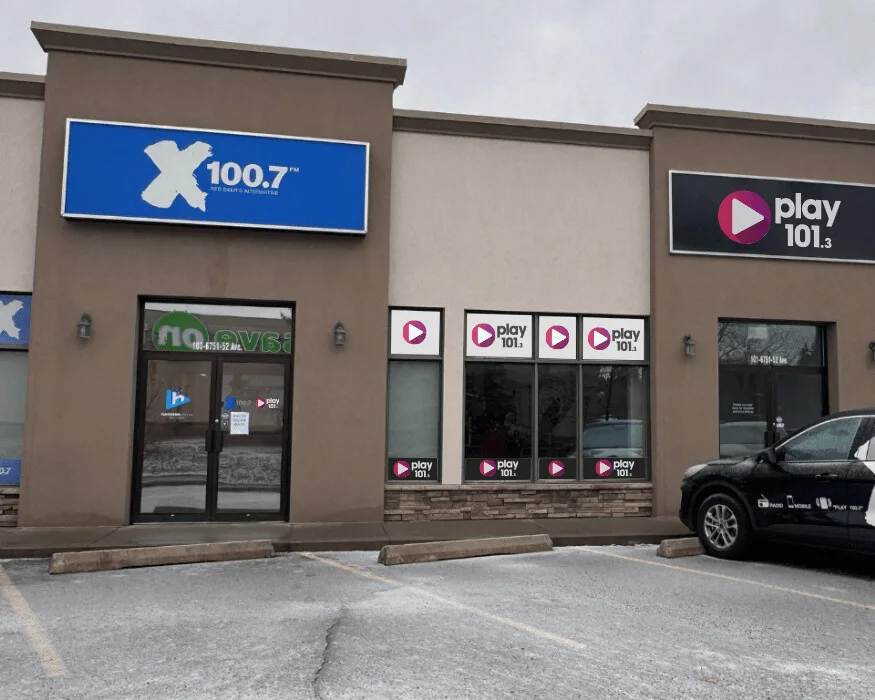
Radio advertising is one of the most consistently effective tools a local business can use to reach real people in the communities where they actually live, work, and spend money.
The misconception that digital alternatives have displaced radio persists largely because it is easier to measure a click than a commute. But reach does not disappear simply because it is harder to track in a dashboard.
According to data from Numeris, weekly AM/FM radio reach across Canada's largest markets sits at 81% among adults. That is not a shrinking audience. That is a reliable one, showing up every morning, every drive home, every lunch break, tuned in and receptive.
What makes radio advertising particularly valuable for local businesses is specificity. Unlike national digital platforms that optimize for impressions across broad audiences, radio station advertising operates inside a defined geography.
When a business runs a campaign on a local station, it is speaking directly to the community it serves, the people who can actually walk through its door, call its number, or redeem its offer. That local embeddedness is structural, not accidental. It is built into how radio works.
The comparison with influencer marketing sharpens this point further. Influencer partnerships can build awareness among people who share a common interest, but they offer no guarantee of geographic relevance. A Regina-based home services company advertising with a lifestyle influencer might reach followers in Vancouver, Toronto, and internationally, none of whom will ever become customers. Radio station advertising, by contrast, delivers the message to the market.
That precision is one of the clearest reasons radio advertising continues to deliver strong returns for local businesses, even as the broader media landscape evolves around it.
Community Trust and the Local Influence of Radio Personalities
Radio advertising carries an existing relationship between the messenger and the audience. Radio hosts are familiar voices woven into daily routines, the morning commute, the afternoon drive, the workday background. That familiarity builds trust that takes years to establish and proves remarkably durable once it exists.
Radio Hosts as Local Influencers
Radio personalities hold a unique position in their communities. They are recognizable figures who show up consistently, speak to local concerns, and build genuine audience loyalty over time. Radio station advertising lets businesses tap directly into that loyalty.
Influencer marketing requires businesses to hand over creative control. The influencer interprets the brief, shapes the tone, and presents the product on their own terms. With radio advertising, the script belongs to the advertiser.
Brand Safety: Stable Employment vs. Influencer Controversy Risk
Influencer partnerships carry a reputational variable that is easy to overlook during planning and impossible to ignore when things go wrong.
An influencer facing personal controversy, shifting content direction, or losing audience trust pulls any associated brand down with them.
Radio hosts are steadily employed professionals held to editorial standards, community expectations, and long-term accountability.
Radio hosts build credibility
A radio personality's standing in the community is tied to consistent, daily presence over a long period of time.
Their reputation is not built on a single viral post or trending moment. That longevity makes them a more stable vehicle for a brand's message.
Institutional stability
Radio hosts work within a station structure that holds them accountable to professional and community standards. If an issue arises, the station manages it.
Businesses advertising on the radio are insulated from the kind of sudden reputational exposure that comes with influencer partnerships.
Long-term relationships
The longer a radio host has been part of a community, the deeper their relationship with the audience runs. Businesses that align with established radio personalities benefit from that accumulated trust. It adds weight to every ad that airs under that host's name.
For a local business, that stability is meaningful brand protection. It is one of the clearest structural advantages radio station advertising holds over influencer partnerships.
Why Radio Calls to Action Convert Faster Than Influencer Content
Radio advertising is built for response. When a listener hears a compelling offer from a trusted voice during their morning commute, they do not need three more exposures across different platforms before they act.
The trust is already there, and the message lands in a moment of receptivity. That combination drives action faster than most advertising channels can.
That speed is one of the starkest differences between radio and influencer marketing. An influencer follower needs to see multiple posts, build familiarity with the product, and gradually move toward a purchase decision, a build-up period that can span weeks.
Radio station advertising compresses that timeline because the credibility foundation is already established between the host and the audience.
Immediacy of Radio vs. the Influencer Build-Up Period
The speed at which radio advertising moves a listener toward action comes down to one thing: pre-existing trust. Radio hosts have already done the relationship-building work. When they deliver a message, the audience is primed to receive it.
Radio acts at the moment of relevance
A listener hears a radio ad during their drive to work, on the way to run errands, or while getting ready in the morning. These are moments of high receptivity, close to the time when purchasing decisions are made. The ad reaches people when they are already in motion, making it easier to prompt an immediate response.
Influencer content requires a warm-up period
A new influencer partnership starts with zero audience familiarity with the brand. Followers need repeated exposure before trust builds enough to convert.
That process takes time and budget. Radio station advertising skips the warm-up phase because the station has already earned that trust on the advertiser's behalf.
Repetition in radio works in the advertiser's favour
When a radio ad airs multiple times across a day or week, it reinforces the message without generating the skepticism that repeated influencer promotions tend to produce. Listeners expect repetition on the radio. It builds recall rather than eroding credibility.
Types of Calls to Action in Radio Advertising
The directness of radio advertising makes it well-suited to a wide range of calls to action.
Each type serves a different business goal, and all of them benefit from the immediacy and trust that radio delivers.
Promotional offers
A time-limited discount or special deal works exceptionally well in radio. The urgency of a deadline, combined with the habit of radio listening, can move people from awareness to action quickly. Listeners who hear the offer during a commute often act on it the same day.
Event announcements
Radio station advertising is one of the most effective ways to drive attendance at local events. A host talking about a grand opening, a community fundraiser, or a seasonal sale adds a personal dimension that a social media post cannot replicate. The announcement feels like a recommendation from someone the listener knows.
Service reminders
For businesses in home services, healthcare, automotive, or professional services, radio is a consistent way to stay front of mind. That contextual timing is a core strength of radio advertising.
This is one of the clearest advantages of radio station advertising: the ability to place a message inside programming that already reflects the audience's interests.
The Radio Auction As A Cost-Effective Entry Point for Local Businesses

For businesses that want to experience the reach of radio advertising at a lower initial investment, the radio auction is one of the most practical starting points available.
What a radio auction offers local businesses
A radio auction is a promotional format where local businesses contribute products or services, which are then auctioned to the station's listeners.
In exchange, the business receives on-air exposure throughout the auction period.
The business gets its name, offer, and brand in front of a large local audience, without paying standard advertising rates upfront.
The radio auction builds community
Because radio auction events generate active listener participation, the businesses involved benefit from a heightened level of audience attention. Listeners are engaged, they are making decisions in real time, and the station is actively promoting the businesses throughout the event.
It is a low-risk way to test radio station advertising
For a business that has never run a radio advertising campaign before, a radio auction removes the barrier of a full campaign commitment, and provides a measurable, contained experience with the radio's audience and format.
Many businesses that start with a radio auction go on to invest in broader radio station advertising campaigns once they see how their local audience responds.
Why Harvard Media Is the Right Local Radio Advertising Partner

Radio advertising works best when the partner behind it knows the communities being served.
Harvard Media operates 13 radio stations across seven Western Canadian markets, reaching over one million listeners who live, work, and spend money in the same communities your business serves.
Harvard Media's team works directly with businesses to understand their market and goals before a single ad goes to air, from full campaign builds to radio auction placements. Reach out today to find out what the right strategy looks like for your business.
Frequently Asked Questions
What are the different types of radio ads?
There are three main types of radio advertising formats. A produced spot is a fully scripted ad recorded with voice actors, music, and sound, the most polished format, and the one most businesses associate with traditional radio.
How do I measure the ROI of radio advertising?
Radio advertising ROI is measured through a combination of direct and indirect tracking methods. Unique promo codes, dedicated phone numbers, and campaign-specific landing pages tie ad spend directly to customer responses.
How does radio advertising compare to digital advertising?
Radio advertising and digital advertising serve different but complementary roles in a marketing strategy. Digital ads offer precise click-level tracking and broad audience targeting across platforms. Radio station advertising delivers local reach, host credibility, and audience trust that digital platforms cannot replicate organically.
How long does it take to see results from radio advertising?
The timeline for radio advertising results depends on the campaign goal. Direct response campaigns can generate measurable responses within days of going to air. Brand awareness campaigns take longer. A minimum of four weeks is generally recommended to build the level of frequency needed for a message to take hold with a local audience.
Does radio advertising work for brand awareness?
Radio advertising is one of the most effective channels available for building local brand awareness. Repetition across a station's daily programming puts a business name, offer, and message in front of the same audience multiple times each week.