Workplace Safety Starts with Reliable Oilfield Equipment
In the oil and gas industry, safety is more than a compliance requirement—it is the foundation of every successful operation. Whether drilling a new well, completing a production string, or conducting intervention activities, workers operate in environments where equipment performance can directly impact personnel safety, well integrity, and operational success.
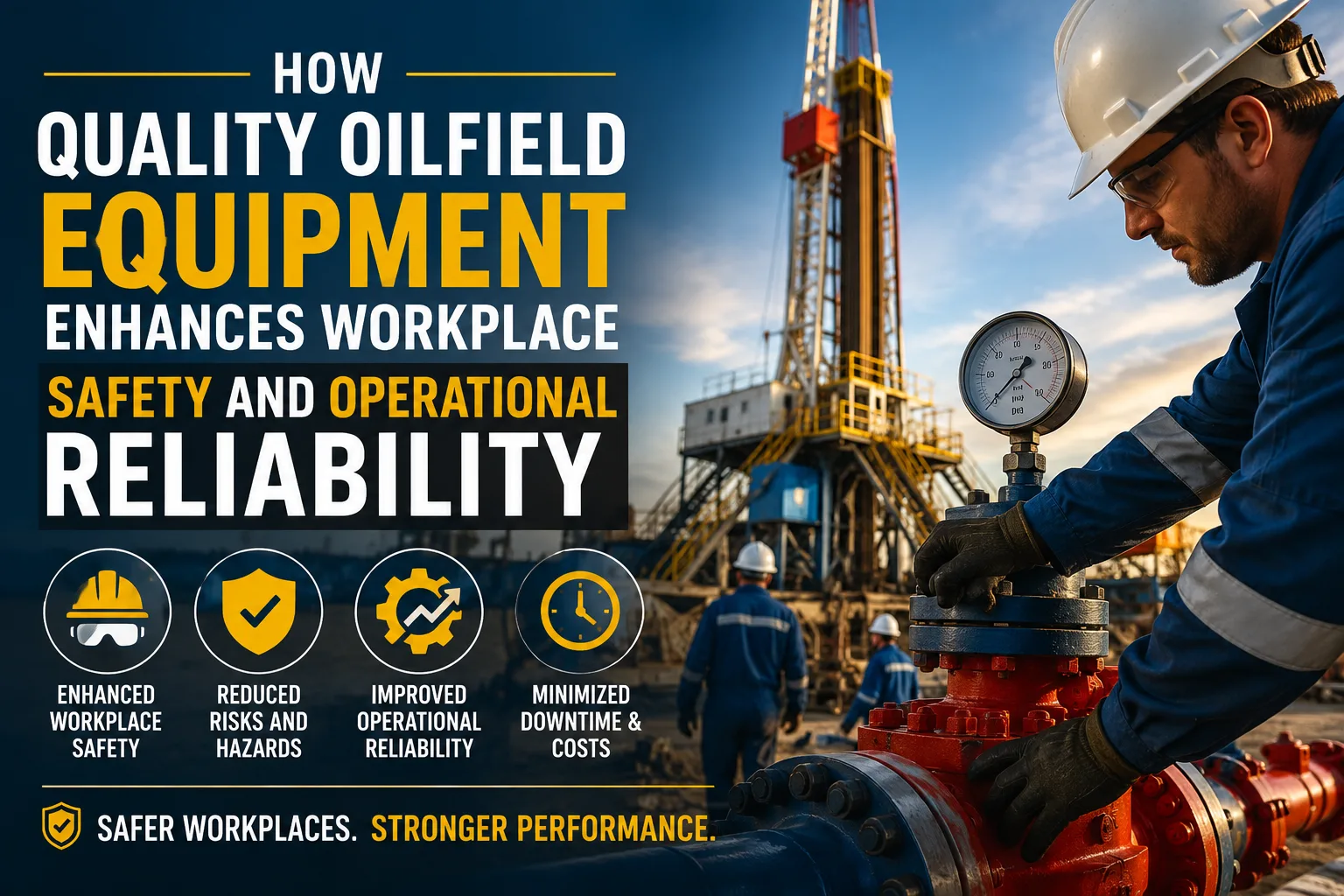
From high-pressure reservoirs and corrosive fluids to heavy lifting operations and complex downhole conditions, every stage of oilfield operations presents unique challenges. In such demanding environments, investing in high-quality oilfield equipment is not simply a matter of improving efficiency—it is a critical strategy for reducing risk, protecting personnel, and ensuring long-term operational reliability.
Organizations that prioritize premium completion tools, sand control equipment, and well integrity solutions consistently experience fewer failures, reduced downtime, and safer worksites.
Reducing Operational Risks Through Equipment Reliability
Equipment failures are among the leading contributors to operational disruptions and safety incidents in the oil and gas industry. A failed downhole tool, pressure containment issue, or compromised completion system can result in costly downtime, environmental exposure, and significant safety hazards.
Quality oilfield equipment is engineered, manufactured, and tested to perform under extreme operating conditions. These tools provide greater reliability, predictable performance, and enhanced control during critical operations.
Examples include:
High-performance packers provide reliable zonal isolation and pressure containment, helping operators maintain well control throughout the life of the well.
Properly designed liner hanger systems support casing strings and ensure structural integrity, reducing risks associated with casing movement or failure.
Bridge Plugs and Cement Retainers
These tools enable effective well isolation and pressure management, minimizing the likelihood of uncontrolled fluid migration and pressure-related incidents.
When equipment performs as intended, crews can focus on safe execution rather than responding to unexpected failures.
Well Integrity: The First Line of Defense Against Safety Incidents
Well integrity is one of the most important factors in maintaining a safe oilfield operation. Loss of well integrity can lead to pressure control issues, fluid migration, blowouts, environmental damage, and serious safety risks. High-quality completion equipment plays a vital role in preserving well integrity throughout drilling, completion, production, and intervention activities.
Reliable well integrity solutions help operators:
- Maintain pressure containment
- Isolate production zones effectively
- Prevent fluid migration between formations
- Minimize leakage risks
- Improve overall well performance
By ensuring that every component functions reliably under downhole conditions, operators can significantly reduce the probability of major safety events.
Why Sand Control Is Essential for Workplace Safety
Sand production is often viewed as a production challenge, but it also presents significant safety concerns. Excessive formation sand can erode production equipment, damage valves and flowlines, increase maintenance requirements, and create hazardous operating conditions.
Advanced sand control technologies such as:
- Premium Sand Screens
- Gravel Pack Systems
- Sand Control Completion Equipment
- Sand Management Solutions
help maintain production integrity while protecting critical assets.
Safety Benefits of Effective Sand Control
- Reduced equipment erosion and failure
- Lower maintenance frequency
- Fewer emergency interventions
- Reduced exposure of personnel to hazardous conditions
- Improved operational continuity
When production systems remain protected from excessive sand production, field personnel spend less time performing corrective maintenance and more time executing planned operations safely.
How Operational Efficiency Improves Workplace Safety
Safety and efficiency are closely linked. Every unplanned shutdown, equipment failure, or emergency intervention increases exposure to operational risk. Modern oilfield equipment is designed to deliver consistent performance, helping operators maintain control and predictability throughout their operations.
Benefits include:
Reduced Human Error
Reliable equipment minimizes the need for troubleshooting and manual intervention, reducing opportunities for mistakes.
Lower Non-Productive Time (NPT)
Fewer equipment failures result in fewer emergency repairs and reduced exposure to hazardous work activities.
Better Risk Management
Advanced engineering and precision manufacturing improve equipment reliability and allow operators to identify potential issues before they escalate.
Improved Decision-Making
Consistent tool performance provides greater confidence in operational planning and execution. The result is a safer, more productive work environment where personnel can focus on operational excellence rather than crisis management.
Investing in Quality Equipment Delivers Long-Term Safety Benefits
While lower-cost alternatives may appear attractive initially, equipment reliability should never be compromised in critical oilfield operations.
Premium oilfield equipment provides long-term value through:
- Enhanced workplace safety
- Improved well integrity
- Reduced equipment failures
- Lower maintenance costs
- Extended service life
- Increased production reliability
- Reduced operational risk
Partnering with experienced oilfield equipment manufacturers ensures access to technologies designed specifically for demanding downhole environments and industry-specific challenges.
The Future of Oilfield Safety Depends on Equipment Reliability
As the oil and gas industry continues to pursue higher safety standards and greater operational efficiency, equipment quality will remain a key differentiator. Advanced completion systems, well integrity solutions, sand control technologies, and precision-engineered production tools enable operators to maintain safe operations while maximizing asset performance.
The most successful operators recognize that workplace safety is not achieved through procedures alone—it is built on a foundation of reliable equipment, sound engineering, and a commitment to operational excellence.
Conclusion
Quality oilfield equipment is more than a production asset—it is a critical component of workplace safety. From maintaining well integrity and controlling pressure to preventing sand-related failures and reducing operational risks, reliable equipment helps create safer, more efficient oilfield operations.
By investing in high-performance completion tools, sand control solutions, and well integrity equipment, operators can protect their workforce, improve operational reliability, and achieve sustainable long-term success. In an industry where safety and performance go hand in hand, quality equipment remains one of the most valuable investments any organization can make.