In the fast-moving world of event planning, creating seamless guest experiences is no longer just an added perk—it’s a necessity. From corporate conferences to weddings and concerts, organizers are constantly searching for ways to simplify logistics, enhance engagement, and make every memory shareable. One tool that’s quietly becoming a game-changer in this space is QR sharing. Whether it’s for photo sharing, ticket distribution, or guest interaction, QR codes are redefining how events are managed from start to finish.
The Shift Toward Digital-First Events
For decades, event management relied heavily on manual processes—paper invitations, guest lists at the gate, and printed programs. These methods were often cumbersome and prone to human error. Today, with digital transformation touching every aspect of our lives, events are no exception. QR codes are at the center of this shift, offering a quick, efficient, and user-friendly way to connect guests with essential event resources.
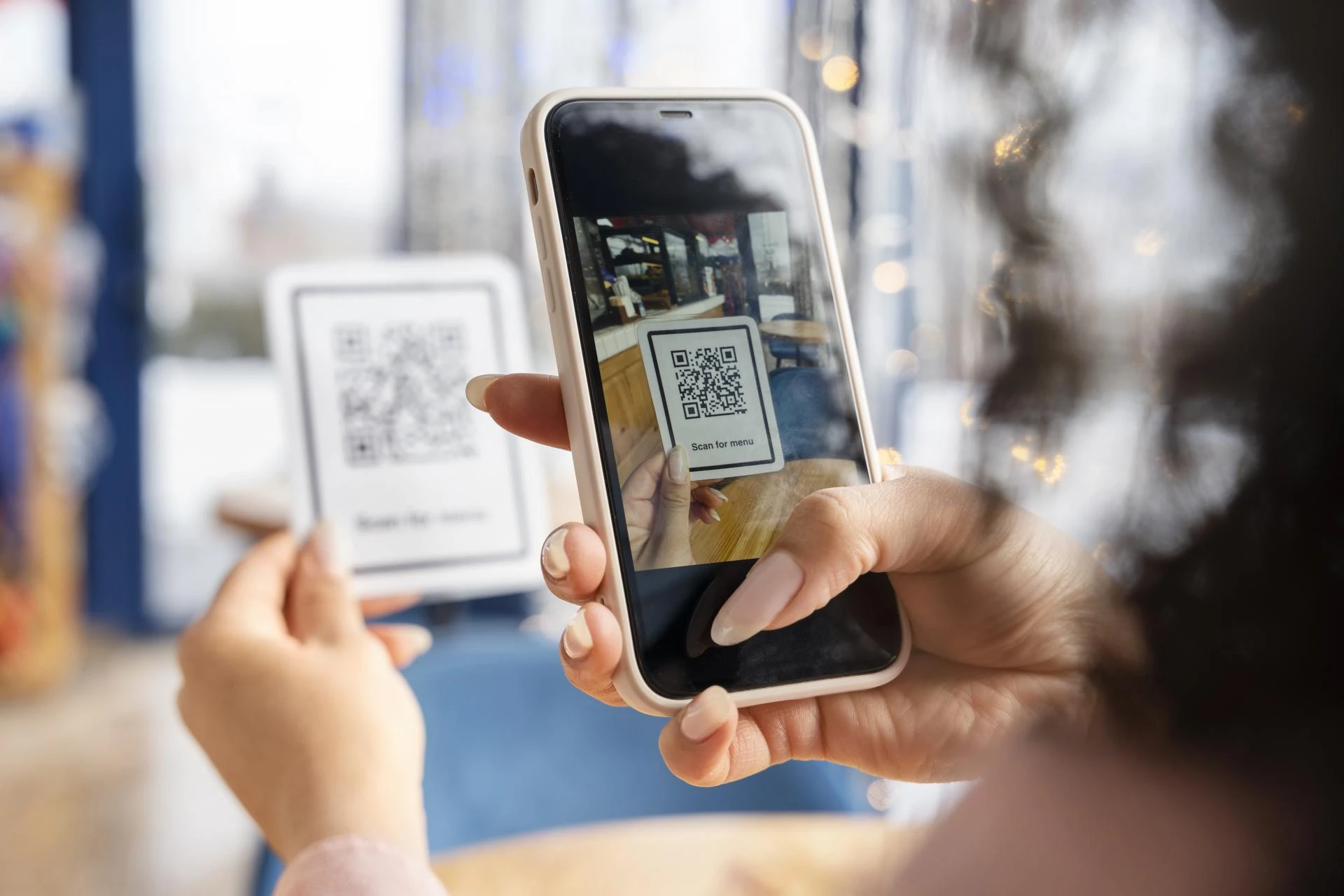
Event-goers no longer need to download heavy apps or navigate clunky websites. A simple scan of a QR code instantly provides access to photos, schedules, menus, or even interactive polls. The result? A smoother, more engaging experience that feels effortless.
Why QR Sharing Works So Well in Event Management
1. Instant Access to Event Content
Instead of waiting for organizers to email links or send WhatsApp forwards, attendees can access everything they need by scanning a code. From agendas to maps and live galleries, QR codes eliminate delays and keep everyone informed.
2. Seamless Photo Sharing
Photos are one of the most important takeaways from any event. With QR sharing, guests can instantly upload and access event photos in a centralized album. Everyone can relive the event in real-time, without the chaos of exchanging files over multiple platforms.
3. Cost-Effective and Eco-Friendly
Say goodbye to expensive printed materials. By embedding all event details in a QR code, organizers save costs and reduce waste, making events more sustainable.
4. Contactless and Safe
Post-pandemic, contactless interactions are more than a convenience—they’re a standard. QR sharing allows organizers to distribute information safely without physical touchpoints.
5. Analytics for Organizers
Many platforms now allow QR sharing to be tracked. Organizers can see how many people scanned the code, which resources were accessed, and how engaged the audience really was. This data helps improve future events.
Real-Life Applications of QR Sharing at Events
- Weddings: Guests scan a QR to view, upload, or share wedding photos in a collective album. No more chasing photographers or waiting weeks for curated images.
- Corporate Events: Employees and delegates use QR codes to access presentations, feedback forms, and event highlights.
- Concerts & Festivals: Attendees scan to get event lineups, share media, or download exclusive behind-the-scenes footage.
- Community Gatherings: Local events and fundraisers use QR codes to streamline donations, participation, and shared photo collections.
Enhancing Guest Engagement Through QR Codes
One of the biggest challenges in event management is keeping attendees engaged before, during, and after the event. QR sharing solves this by creating an interactive bridge:
- Before the event: QR codes on invitations give access to teaser videos, event details, or RSVP forms.
- During the event: Guests scan codes for live updates, games, or instant photo uploads.
- After the event: QR codes link attendees to highlight reels, thank-you notes, or ongoing community groups.
This cycle not only improves the attendee experience but also builds long-lasting engagement between hosts and guests.
The Role of Platforms Like Kqeek
While QR codes themselves are powerful, platforms like Kqeek amplify their utility by combining photo sharing with unlimited storage and smart features. With Kqeek, event organizers don’t just distribute photos—they create shared digital spaces where memories are preserved, searchable, and easily revisited. The Interest Cloud feature ensures photos aren’t lost in clutter, while unlimited storage ensures no moment is left behind.
Imagine hosting a wedding and instead of sorting through thousands of WhatsApp images, every guest simply uploads their best shots into one shared gallery via a QR code. The result is a single, organized collection that tells the story of the event from every angle.
Future of Event Planning with QR Sharing
The adoption of QR sharing is just the beginning. As artificial intelligence and cloud storage integrate more deeply with event platforms, we’ll see:
- Personalized QR codes for individual guests with curated content.
- AI-powered sorting to categorize photos by moments, people, or themes.
- Interactive experiences where QR codes unlock AR or VR event features.
- Smarter analytics that help organizers measure ROI beyond attendance.
With these advancements, QR sharing won’t just be a tool—it will become the backbone of modern event planning.
Conslusion
The magic of an event doesn’t end when the lights go out; it lives on in memories, photos, and connections. QR sharing is revolutionizing this space by making those moments instantly accessible, collectively organized, and endlessly shareable. For organizers, it’s a way to simplify logistics. For guests, it’s an invitation to be part of the story.
As more platforms like Kqeek continue to innovate, event planning will only get smarter, more engaging, and more human. And in a world where memories are best shared, photo sharing through QR codes ensures no moment ever gets left behind.