
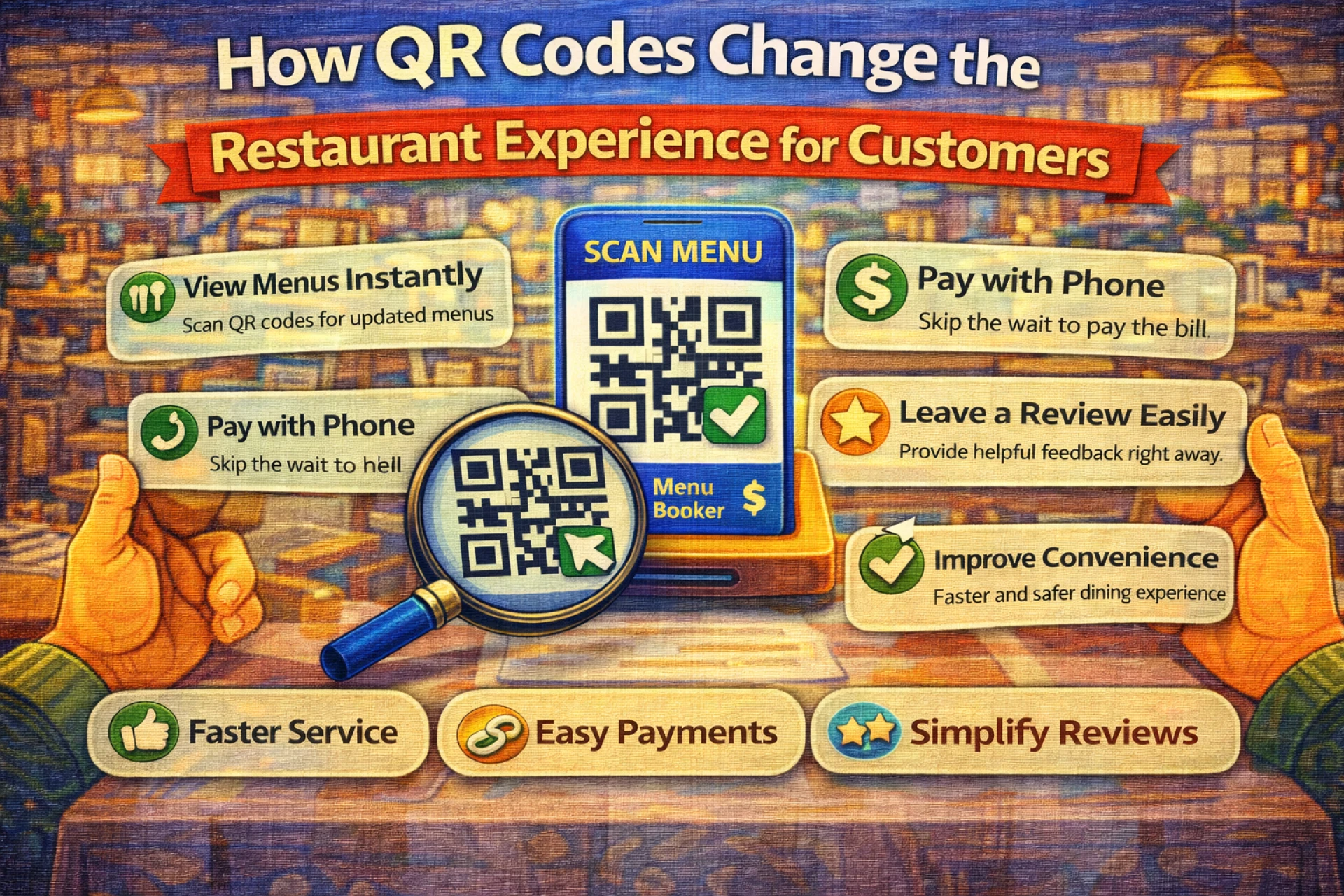
Dining out is about timing. People want to see the menu quickly, order without confusion, and pay without unnecessary waiting. When any of those steps slow down, the experience suffers.
This is why QR codes have found a place in restaurants. Not because they are innovative, but because they remove small points of friction that customers notice immediately.
Why Speed Matters More Than Novelty
Most diners don’t care how modern a restaurant’s systems are. They care about how smoothly everything works.
QR codes help because they:
- Give instant access to menus
- Reduce waiting for staff during busy moments
- Let customers move at their own pace
When scanning a code is faster than waiting, it feels like a convenience rather than a requirement.
Menus That Are Always Available
Printed menus can run out, get damaged, or become outdated. From a customer’s point of view, this often means waiting.
QR codes solve this by making the menu always available. A scan opens the menu immediately, and any updates happen in the background without affecting the dining experience.
This works especially well when menus are:
- Clearly designed for mobile screens
- Easy to scroll and read
- Kept current
When those basics are met, QR menus feel natural.
Ordering and Paying Without Interruptions
Some restaurants use QR codes to let customers order or pay directly from their phone.
For diners, this means:
- No waiting to place an order
- No need to ask for the bill
- The ability to leave when ready
This doesn’t replace service — it gives customers control. Those who prefer traditional service can still ask for help, while others enjoy the flexibility.
Leaving Reviews While the Experience Is Fresh
Reviews are most accurate right after a meal.
QR codes make it easy to act on that moment. A simple code on a receipt or near the exit can take customers directly to a review page or feedback form.
Because the effort is minimal, more people are willing to share their experience.
When QR Codes Feel Helpful (And When They Don’t)
From a customer’s perspective, QR codes work best when they feel optional.
They’re helpful when:
- They save time
- They are easy to understand
- There is a clear alternative if someone prefers not to scan
They become frustrating when they feel mandatory or lead to slow, poorly designed pages.
Static vs Flexible QR Codes Behind the Scenes
While customers don’t see it, flexibility matters.
Restaurants that use editable QR codes can update menus, links, or promotions without reprinting anything. This ensures customers always land on accurate, relevant information.
Fewer broken links mean fewer frustrations.
Creating QR Codes the Simple Way
Setting up a QR code doesn’t need to be complicated.
Restaurants choose the destination — menu, payment page, or review link — and generate the code. A straightforward tool like
makes it easy to create clean, scannable QR codes that work across print and digital materials.
Final Thoughts
From the customer’s point of view, QR codes aren’t about technology — they’re about convenience.
When used thoughtfully, they make restaurant visits smoother, faster, and more flexible. When used poorly, they stand out for the wrong reasons.
Like good service, the best QR code experience is the one customers barely notice — because everything just works.