Every memorable event has one defining moment—the moment attendees become fully engaged. Sometimes it's an inspiring keynote speaker. Sometimes it's an energetic live band, a stand-up comedian who fills the room with laughter, or a celebrity appearance that creates excitement long before the event begins.
While venues, decor, and catering all contribute to an event's success, entertainment often becomes the experience people remember most. Choosing the right artist isn't simply about hiring a popular performer; it's about selecting someone whose style, personality, and performance align with the purpose of the event.
Why Entertainment Matters More Than Ever
Modern events are designed around experiences rather than schedules.
Corporate conferences now include live entertainment to keep audiences engaged after business sessions. Product launches use celebrity appearances to generate media attention. Weddings increasingly feature live bands, DJs, and cultural performers to create memorable celebrations. Even exhibitions and brand activations use entertainers to attract visitors and encourage interaction.
Entertainment has become an important strategic element rather than an optional addition.
Every Event Requires a Different Type of Artist
One common misconception is that a famous performer automatically guarantees a successful event.
In reality, the right choice depends on the audience and the event's objectives.
For example:
- Corporate annual meetings often benefit from motivational speakers, comedians, or professional emcees who maintain energy while respecting the event's formal atmosphere.
- Product launches frequently feature celebrities, influencers, or musicians who help create excitement and media visibility.
- Weddings may require live singers, DJs, dance performers, or traditional cultural artists to suit different ceremonies.
- College festivals often focus on energetic bands and youth-oriented performers who can connect with students.
- Luxury private events may prioritize sophisticated live music, jazz ensembles, or instrumental performances that complement the occasion.
Matching the performer to the audience creates a stronger overall experience than simply choosing the biggest available name.
The Planning Behind Artist Booking
Professional artist booking involves much more than confirming availability.
Experienced planners evaluate performance requirements, technical riders, travel arrangements, hospitality, stage specifications, security, scheduling, contracts, payment terms, and contingency planning.
Without careful coordination, even a talented performer may face unnecessary challenges that affect the event.
This is why many organizers choose to work with experienced artist booking professionals who manage these logistical details while allowing clients to focus on the event itself.
Budget Should Support the Event's Goals
Entertainment budgets vary significantly depending on the event.
Rather than focusing exclusively on booking the most expensive performer, organizers should consider the overall return on investment.
A skilled motivational speaker may provide greater value for a leadership conference than a celebrity singer. Likewise, a talented regional band might create a more authentic experience for a cultural event than a nationally recognized act.
The most successful bookings align with the event's objectives, audience expectations, and available budget.
Working with Reliable Artist Booking Partners
Artist booking involves communication between multiple stakeholders, including performers, artist managers, technical teams, venue operators, and event organizers.
Professional booking agencies help simplify this process by handling negotiations, contracts, technical coordination, scheduling, and performance logistics.
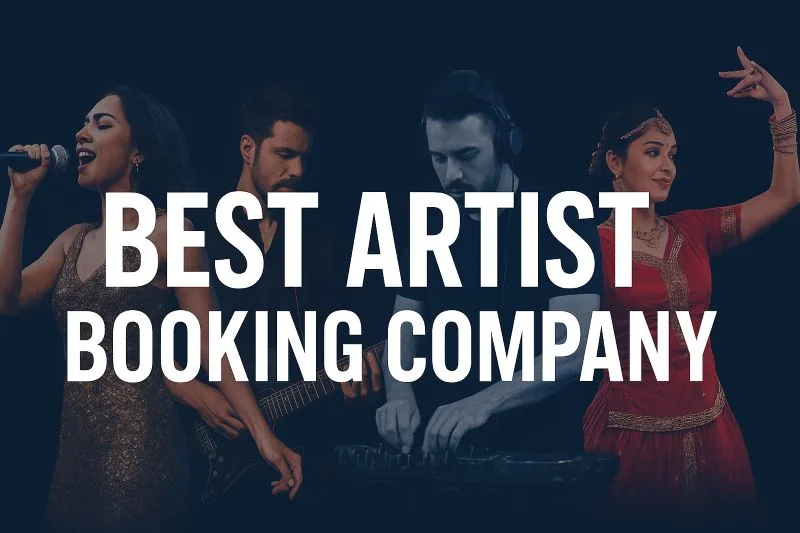
Companies such as Hire4Event work with a wide network of performers across categories including singers, bands, DJs, comedians, motivational speakers, celebrities, anchors, dancers, and cultural artists. By coordinating the booking process from initial inquiry to event day, they help organizers reduce complexity and minimize operational risks.
Common Mistakes to Avoid
Event organizers can improve outcomes by avoiding a few common mistakes:
- Booking entertainment without understanding audience preferences.
- Waiting until the last minute to confirm performers.
- Ignoring technical and stage requirements.
- Overlooking contractual details and cancellation policies.
- Focusing only on popularity instead of event suitability.
- Underestimating travel and accommodation planning.
Early preparation and clear communication help prevent these issues.
Looking Ahead
The events industry continues to evolve as audience expectations change. Interactive performances, hybrid events, personalized entertainment experiences, and digital engagement are becoming increasingly common.
Despite these changes, one principle remains constant: successful entertainment is about creating meaningful connections between performers and audiences.
Choosing the right artist is therefore not just another item on an event checklist—it is an opportunity to create memorable experiences that attendees continue talking about long after the event has ended.
Whether organizing a corporate conference, wedding celebration, exhibition, or live entertainment program, thoughtful artist selection and careful planning can transform an ordinary gathering into an unforgettable experience.