How Product Engineers Create a Better “Feel” Without Changing Core Performance
I’ve always been interested in why some products just feel right the moment you pick them up. It’s not always about size, weight, or even brand reputation. Sometimes it’s the grip, the surface texture, or how securely it sits in your hand.
After looking into product design more closely, I found that a lot of this experience comes from a manufacturing approach called silicone overmolding.
Design Today Is About Experience, Not Just Function
Modern products aren’t judged only by what they do anymore. People care about how easy they are to use, how comfortable they feel, and how long they last under real conditions.
From my point of view, this shift has pushed engineers to think beyond traditional single-material designs. Instead, they now combine materials to improve both performance and user experience at the same time.
That’s where overmolding becomes especially useful.
A Practical Way to Combine Two Materials in One Product
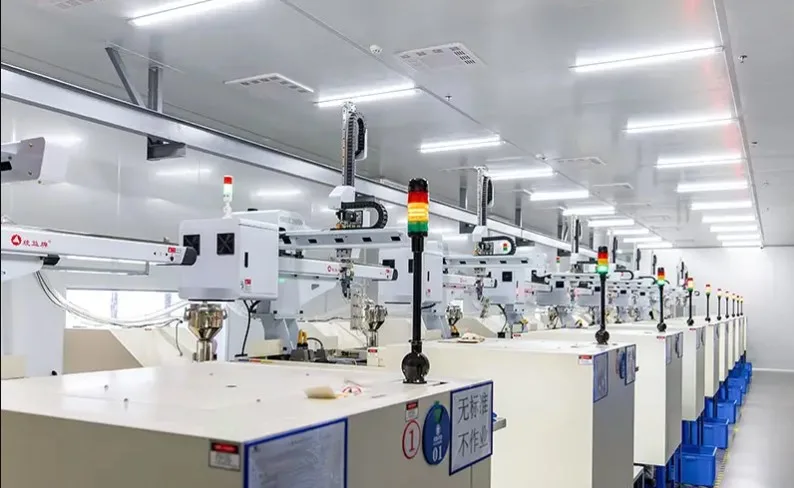
Overmolding is a process where one material is molded directly over another, creating a single unified part. The base layer usually provides structure and strength, while the outer layer adds comfort or functionality.
What I find interesting is how seamless the final product feels. There are no visible joints or separate pieces—just one integrated design.
When silicone is used as the outer material, the result becomes even more effective in everyday use. I found a clear explanation here: silicone overmolding.
Why Silicone Is So Common in Modern Manufacturing
Silicone has become one of the most trusted materials in product design, especially for surfaces people touch regularly. From my experience, it stands out because it performs consistently in different environments.
Here’s what makes it so valuable:
- It remains flexible over time without cracking
- It handles heat, cold, and moisture very well
- It provides a naturally soft, non-slip surface
- It resists aging and maintains stability
Because of these properties, silicone works well in products that require both durability and comfort.
Where You’ll Find This Technology in Everyday Life
Once I became aware of it, I started seeing silicone overmolding almost everywhere.
Handheld Consumer Devices
Remote controls, gaming controllers, and portable gadgets often use silicone surfaces to improve grip and reduce slipping.
Kitchen and Home Tools
Items like peelers, spatulas, and scissors benefit from soft-touch handles that make daily tasks easier and safer.
Fitness and Outdoor Products
Equipment used in active environments needs durability and grip, which silicone helps provide.
Healthcare and Safety Products
In medical environments, silicone is valued for its hygiene, safety, and skin-friendly nature.
The Real Advantages You Notice as a User
What stands out most to me is that the benefits are not just technical—they’re directly noticeable during use.
Better Grip in Real Conditions
Whether your hands are wet, sweaty, or oily, silicone surfaces help maintain control.
Reduced Fatigue
Soft-touch materials reduce strain during long periods of use.
Improved Safety
Non-slip textures lower the chance of accidents or mishandling.
Stronger Product Protection
The outer layer absorbs impact and protects internal components.
Why Designers Prefer This Approach
From a design perspective, I find overmolding especially smart because it solves multiple problems at once.
Instead of adding separate grips, coatings, or accessories, engineers can:
- Build comfort directly into the product
- Strengthen high-stress areas selectively
- Improve aesthetics without sacrificing function
This makes products more efficient to design and more reliable in use.
The Challenges Behind the Process
Even though it sounds straightforward, silicone overmolding requires precision. Based on what I’ve learned, manufacturers need to carefully manage:
- Material compatibility between layers
- Temperature control during molding
- Accurate mold design for proper bonding
If these factors aren’t handled correctly, the final product may not perform as expected.
Why This Method Keeps Growing in Popularity
I think the rise of silicone overmolding is tied to one simple idea: people want better everyday experiences.
Manufacturers are under pressure to create products that:
- Last longer
- Feel better in hand
- Perform reliably in different environments
This method helps achieve all three goals at once, which is why it’s being used more widely across industries.
What the Future Might Look Like
Looking ahead, I expect this technology to become even more refined. As manufacturing improves, we may see:
- More sustainable silicone materials
- Smarter multi-layer product designs
- Wider use in wearable and smart devices
- Faster, more cost-efficient production methods
These advancements will likely make products even more user-focused than they are today.
Final Thoughts
The more I learn about product design, the more I realize how much thought goes into the things we use every day. A comfortable grip or a durable surface isn’t accidental—it’s carefully engineered.
Silicone overmolding is one of those behind-the-scenes techniques that quietly improves everyday life. It doesn’t draw attention to itself, but once you notice its effects, you start seeing its value everywhere.
In many ways, it’s one of the simplest explanations for why some products just feel better than others.