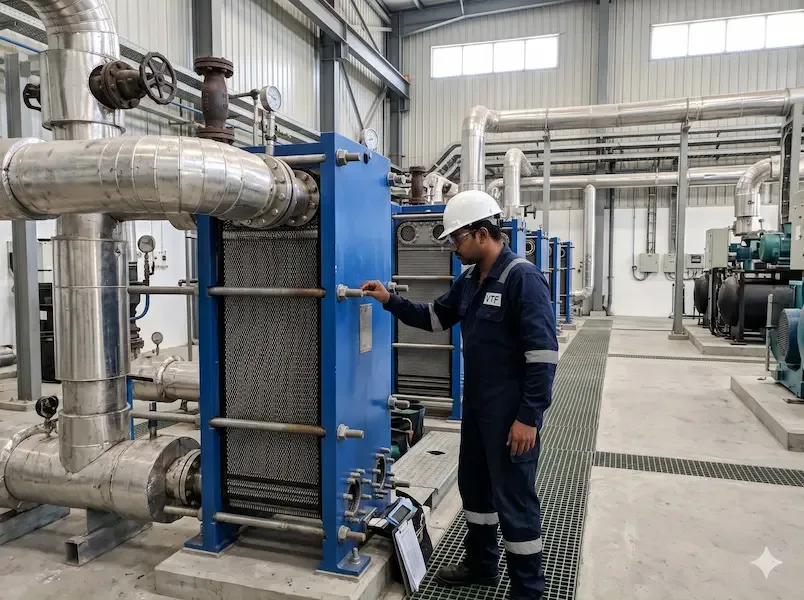
In heavy industrial environments, manufacturing facilities, and large-scale commercial infrastructure, unplanned equipment downtime is one of the largest hidden drains on profitability. A single failure in a critical pipeline, HVAC system, or rotating piece of machinery can halt production lines, delay project timelines, and result in severe financial penalties. As industrial operations across the region continue to scale, shifting from reactive repairs to strategic, preventive mechanical engineering has become essential for long-term operational resilience.
The True Cost of Reactive Maintenance
Many facilities still operate on a run-to-failure model, addressing mechanical issues only after a breakdown occurs. While this approach may seem like a way to defer immediate maintenance expenses, it consistently leads to higher long-term costs. Emergency repairs require expedited replacement parts, overtime labor, and rushed troubleshooting—all while revenue generation is paused. Furthermore, sudden mechanical failures often cause secondary damage to connected components, shortening the overall lifespan of capital equipment.
Core Pillars of Reliable Mechanical Infrastructure
Building a resilient industrial or commercial facility requires precision across every stage of the mechanical lifecycle, from initial fabrication to ongoing plant maintenance:
- Precision Steel Fabrication and Welding: Structural integrity and leak-free piping systems start at the fabrication stage. High-grade custom fabrication ensures that pressure vessels, skids, and structural supports can withstand extreme thermal and mechanical stress without premature fatigue.
- Comprehensive MEP and HVAC Optimization: Mechanical, Electrical, and Plumbing (MEP) systems act as the central nervous system of any modern facility. Properly balanced industrial HVAC and ventilation systems not only protect sensitive machinery from overheating but also ensure regulatory compliance and worker safety.
- Proactive Equipment Overhaul and Servicing: Scheduled inspections of pumps, valves, compressors, and motors allow engineering teams to detect vibration anomalies, seal wear, and alignment issues long before they trigger a catastrophic shutdown.
Partnering with Specialized Mechanical Experts
Achieving high equipment availability requires more than just an internal checklist; it demands experienced field technicians and certified engineers who understand complex industrial standards. Working with an established engineering partner like VTF Mechanical Services FZE gives industrial operators access to end-to-end mechanical solutions tailored to demanding operational environments.
Whether a project calls for specialized piping installation, structural steel work, or turnaround maintenance, integrating expert industrial mechanical services directly into your operational workflow minimizes risk and keeps critical assets running at peak efficiency. By prioritizing quality workmanship and strict safety protocols, facilities can extend asset lifecycles, lower energy consumption, and maintain predictable maintenance budgets.
Looking Ahead: Sustainable and Smart Maintenance
As industries increasingly adopt sustainability targets, mechanical efficiency plays a direct role in reducing carbon footprints. Well-maintained mechanical systems consume significantly less power, minimize material waste, and prevent hazardous leaks. Investing in professional engineering support today is the most reliable way to safeguard productivity and build a future-ready operation.