
In both industrial and municipal environments, managing the pressure of fluids such as water, steam, or gas is not just a technical requirement—it is crucial for operational safety, efficiency, and cost-effectiveness. Without proper pressure management, pipelines, valves, and other infrastructure can be damaged, energy efficiency drops, and operational reliability suffers. This is where Pressure Reducing Stations (PRS) play a pivotal role.
Pressure Reducing Stations are engineered systems designed to reduce high incoming pressure from supply lines to a controlled, lower pressure suitable for downstream equipment and operations. These stations are vital across a wide spectrum of industries and municipal services, including manufacturing, power generation, chemical processing, water distribution, and district heating systems. By stabilizing pressure, PRSs not only protect equipment but also enhance the overall efficiency of fluid delivery networks.
Understanding the Functionality of Pressure Reducing Stations
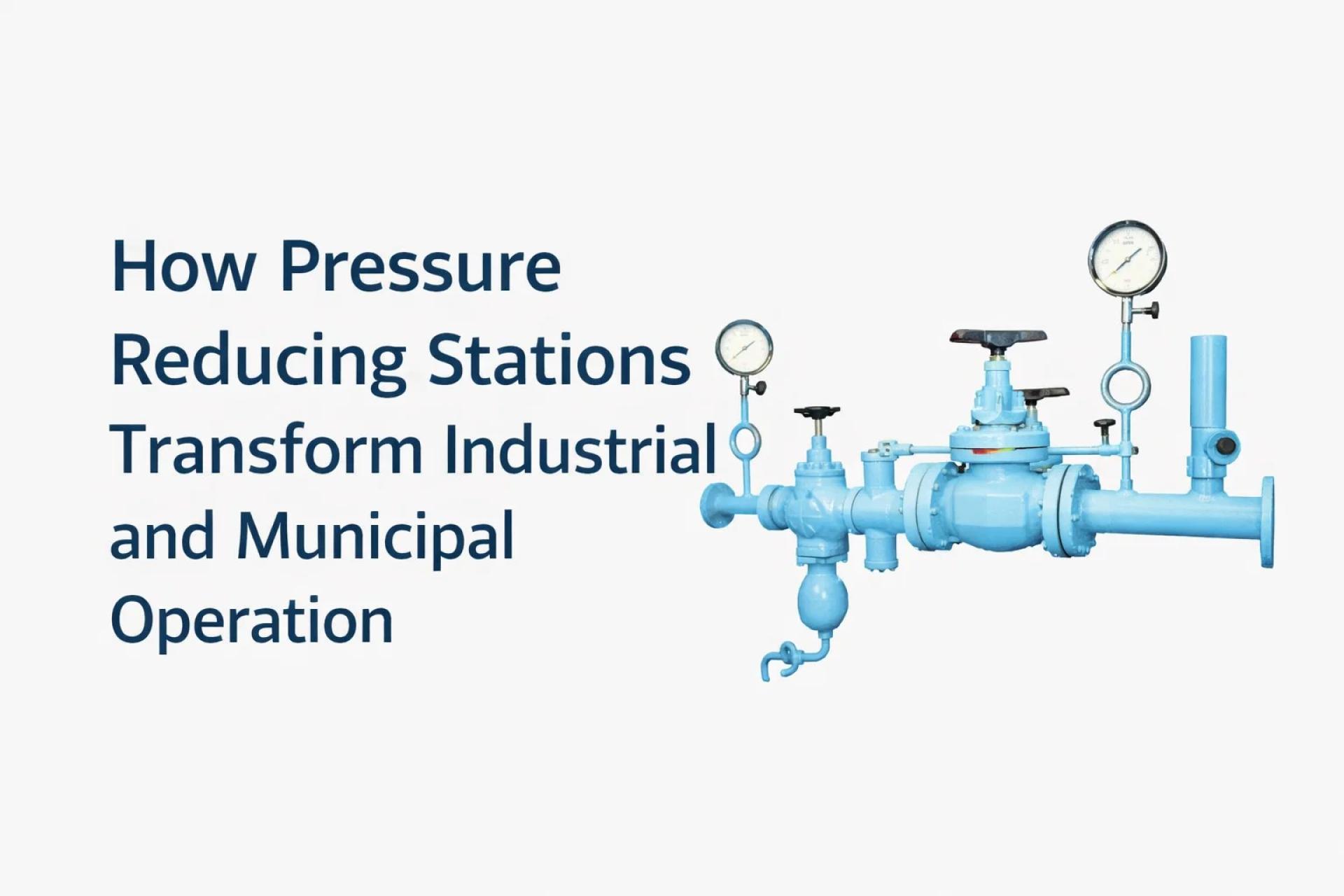
A Pressure Reducing Station essentially serves as a protective and controlling interface between high-pressure supply lines and sensitive downstream systems. It typically includes a combination of:
- Pressure Reducing Valves (PRVs): These core components automatically adjust the downstream pressure to a safe and consistent setpoint.
- Strainers and Filters: Protect the PRVs and other downstream equipment by removing debris and particulate matter.
- Pressure Gauges and Sensors: Provide real-time monitoring, allowing operators to quickly detect any deviations from desired pressure levels.
- Safety Relief Valves: Offer an additional safety layer by venting excess pressure in case of failure or unexpected surges.
- Automation and Control Systems: Advanced PRSs integrate with PLCs or SCADA systems to allow remote monitoring, data logging, and precise control of pressure regulation.
By combining these components, PRSs maintain stable downstream conditions, protect infrastructure, and ensure operational continuity even under fluctuating supply pressures.
Industrial Applications of Pressure Reducing Stations
Manufacturing and Processing Industries
Industrial plants, such as those in chemical, pharmaceutical, food processing, and textile sectors, rely on precise fluid pressures to operate efficiently. Steam and water are often integral to heating, cooling, and processing operations. PRSs help to:
- Maintain precise pressure for boilers, heat exchangers, and reactors.
- Prevent damage to sensitive equipment caused by pressure surges.
- Reduce energy waste by avoiding unnecessary high-pressure operation.
- Minimize downtime due to maintenance or pipeline failures.
For example, in a pharmaceutical plant, maintaining consistent steam pressure ensures that sterilization processes meet strict regulatory standards, while in food processing, water at correct pressure guarantees consistent cooking or cleaning processes.
Power Generation
In power plants, particularly those operating on steam turbines, consistent pressure is critical. PRSs ensure:
- Stable pressure for turbine operation, preventing efficiency loss or mechanical stress.
- Safe distribution of steam throughout the plant.
- Protection of pipelines and condensers from overpressure situations.
Through precise control, PRSs contribute directly to plant safety, reliability, and optimized energy use, making them indispensable in modern power generation.
Oil, Gas, and Chemical Industries
High-pressure pipelines in the oil, gas, and chemical sectors carry potentially hazardous materials. Pressure Reducing Stations in these applications:
- Protect downstream equipment from excessive pressures.
- Prevent leaks or ruptures that could lead to safety hazards or environmental incidents.
- Ensure compliance with industry safety and environmental regulations.
By stabilizing pipeline pressure, PRSs play a crucial role in risk management and operational efficiency.
Municipal Applications of Pressure Reducing Stations
Water Distribution Systems
Municipal water networks often receive water from treatment plants or regional supply lines at pressures higher than suitable for homes and commercial buildings. Pressure Reducing Stations in these networks:
- Reduce the risk of pipe bursts and leaks in residential and commercial areas.
- Protect plumbing fixtures, pumps, and water meters from damage due to high pressure.
- Enable consistent and reliable water delivery across the network.
In addition, PRSs help municipalities save energy by reducing the demand on pumping systems and extending the lifespan of infrastructure.
District Heating and Cooling Networks
In urban areas with centralized heating or cooling systems, PRSs are critical for delivering hot water, steam, or chilled water at appropriate pressures to buildings. Proper pressure regulation ensures:
- Buildings receive energy efficiently without risking damage to internal piping.
- System pressures remain consistent, even during peak demand.
- Maintenance costs are minimized due to reduced strain on equipment.
Firefighting and Safety Infrastructure
Fire suppression networks rely on precise pressure control to function effectively. Pressure Reducing Stations:
- Maintain correct pressure in hydrants and sprinkler systems.
- Ensure rapid and effective response in emergencies.
- Reduce the likelihood of equipment failure during critical situations.
By controlling pressure, PRSs help municipalities meet safety regulations while protecting public infrastructure.
Key Benefits of Pressure Reducing Stations
The installation of a well-designed Pressure Reducing Station provides multiple benefits:
- Enhanced Safety: Prevents damage to pipelines, valves, and sensitive equipment caused by overpressure.
- Energy Efficiency: Optimized pressure reduces unnecessary energy expenditure in pumping systems.
- Operational Stability: Ensures consistent fluid flow for critical industrial and municipal processes.
- Reduced Maintenance Costs: Minimizes wear and tear caused by pressure fluctuations.
- Regulatory Compliance: Helps meet safety and operational standards required in both industrial and municipal systems.
- Longevity of Infrastructure: Reduces stress on pipelines and associated equipment, extending service life.
Technological Advancements in Pressure Reducing Stations
Modern PRSs are evolving beyond mechanical valves. Integration with smart monitoring and automation technology allows operators to:
- Remotely monitor real-time pressure data.
- Receive predictive alerts for maintenance before failures occur.
- Adjust pressure settings dynamically to respond to fluctuating demand.
IoT-enabled PRSs and advanced sensors are becoming standard in critical industrial and municipal applications, making systems more efficient, reliable, and cost-effective.
Conclusion
Pressure Reducing Stations are essential for ensuring the safe and efficient distribution of fluids in both industrial and municipal operations. From protecting infrastructure and optimizing energy use to enhancing operational safety and regulatory compliance, their impact is profound. Companies like Vytal Controls specialize in designing high-performance Pressure Reducing Stations tailored to the unique requirements of each application, helping industries and municipalities maintain operational efficiency while safeguarding critical systems.