
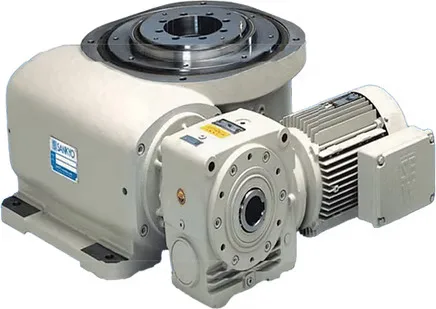
Walk through any modern manufacturing unit and you will notice one thing: machines are expected to do more, faster, and with almost no error. Whether it is an assembly line, a packaging unit, or a machining centre, the secret behind smooth, repeatable motion is often a component most people never see: the indexer. As Indian industry moves toward automation, demand for dependable Industrial Indexing Solutions in Kerala is growing steadily across sectors such as food processing, pharmaceuticals, electronics, automotive components, and light engineering.
What Is an Indexer and Why Does It Matter?
An indexer is a motion control device that converts continuous rotation from a motor into precise, intermittent, or step-by-step movement. In simple words, it moves a table, turret, or conveyor to an exact position, holds it there with high accuracy, and then moves to the next position.
Think of a rotary table that brings a component under a drilling head, pauses while the operation is done, and then advances to the next station. Every pause and every move has to be timed perfectly. If the indexing is off by even a small margin, the result is wasted material, rework, and downtime.
That is why choosing the right indexing system is not just a technical decision; it directly affects productivity, product quality, and profit.
The Shift from Mechanical to Servo-Driven Indexing
For many years, factories relied on purely mechanical cam indexers. They are rugged and reliable, but they are fixed: the motion profile is built into the cam, and changing it means changing hardware.
Today's production environment is different. Product variants change quickly, batch sizes are smaller, and customers expect flexibility. This is where servo-driven indexing steps in. A servo system uses a motor, a drive, and a controller working together in a closed loop, so the position is constantly monitored and corrected. The result is higher accuracy, smoother acceleration, and the freedom to change settings without opening the machine.
Why a Programmable Servo Indexer Is Gaining Popularity
A Programmable Servo Indexer allows operators and engineers to set the number of stations, dwell time, speed, and motion profile through software rather than mechanical changes. This makes it one of the most practical upgrades for plants that handle multiple products on the same line.
Here is what makes it valuable:
- Flexibility: Switch from a 6-station to an 8-station layout by changing parameters, not parts.
- Smooth motion: Programmable acceleration and deceleration reduce shock, vibration, and wear.
- Higher throughput: Optimised motion profiles shorten cycle time without stressing the machine.
- Easy integration: It connects with PLCs and HMIs, making it simple to fit into existing automation setups.
- Reduced downtime: Quick changeovers mean less time stopped between batches.
For small and medium enterprises especially, this flexibility means one machine can do the work of several, which is a big advantage when floor space and budgets are limited.
The Role of Trusted Brands: Sankyo Servo Indexer India
Reliability matters most when a machine runs shift after shift. This is why many manufacturers look for established names when selecting indexing equipment. The Sankyo Servo Indexer India range is widely recognised for its precision, compact design, and long service life. Backed by decades of engineering experience in cam and indexing technology, these indexers are used in high-speed assembly, pick-and-place, and rotary transfer applications.
Benefits that industries commonly look for in this category include:
- High positioning accuracy that stays consistent over time
- Compact, space-saving design suited to modern machine layouts
- Low backlash and smooth, quiet operation
- Strong load-bearing capability for demanding applications
- Easy maintenance with long intervals between servicing
When a trusted brand is combined with a knowledgeable local supplier who can offer guidance, spares, and after-sales support, the overall ownership experience improves significantly.
Why Kerala Is Ready for Advanced Indexing Technology
Kerala's industrial landscape is evolving quickly. Industrial belts around Kochi, Ernakulam, Thrissur, Palakkad, Kollam, and Thiruvananthapuram host a growing mix of manufacturers, from spice processing and packaged foods to rubber products, electrical components, and precision engineering units. As labour costs rise and quality standards tighten, automation is no longer a luxury but a competitive necessity.
This is where reliable Industrial Indexing Solutions in Kerala make a real difference. Local manufacturers need systems that are accurate, easy to maintain, and supported by service teams who understand regional requirements, from humid coastal conditions to tight delivery schedules. A supplier within reach can mean faster commissioning, quicker troubleshooting, and fewer long waits for spare parts.
Common Applications of Indexing Systems
Indexers are far more versatile than most people expect. Typical uses include:
- Packaging machines: Moving containers precisely under filling, capping, and labelling heads
- Assembly lines: Positioning components for screwing, welding, or inserting
- Pharmaceutical equipment: Handling vials, tablets, and blister packs with careful, repeatable motion
- Electronics manufacturing: Placing and testing delicate parts at high speed
- Machining and drilling: Rotating workpieces to exact angles for multi-face operations
- Inspection systems: Stopping parts at fixed points for camera or sensor checks
In each case, the indexer is the backbone that keeps the entire process synchronised.
How to Choose the Right Indexing Solution
Before investing, it helps to ask a few practical questions:
- What load will the table or turret carry? Weight and inertia decide the size and torque you need.
- How many stations and what cycle time? This determines the required motion profile and speed.
- Is flexibility important? If your products change often, a programmable servo option is usually the smarter choice.
- What accuracy is required? Precision applications need low backlash and high repeatability.
- What support is available locally? Installation help, training, and spares should not be an afterthought.
Answering these upfront prevents costly mistakes and ensures the system matches your real production needs.
Maintenance Tips for Long Life
Even the best equipment performs better with simple care. Keep lubrication on schedule, check mounting bolts and couplings regularly, monitor temperature and unusual noise, and keep the working area clean. Servo systems also benefit from periodic checks of cables, encoders, and drive parameters. A small preventive routine can add years to the life of your machine.
Final Thoughts
Automation success depends on getting the basics right, and precise, reliable motion is one of the most important basics of all. From the flexibility of a programmable servo system to the proven dependability of well-known brands, today's indexing technology gives manufacturers the tools to produce more, waste less, and stay competitive. For Kerala's growing industries, investing in the right indexing partner is a step toward faster, cleaner, and more profitable production.
Frequently Asked Questions (FAQs)
1. What is an indexer used for in industrial machines?
An indexer converts motor rotation into precise, stop-and-go movement. It positions tables, turrets, and conveyors accurately at each station for operations like assembly, packaging, drilling, and inspection.
2. How is a Programmable Servo Indexer different from a mechanical cam indexer?
A mechanical cam indexer has a fixed motion profile set by the cam. A Programmable Servo Indexer lets you change stations, speed, and dwell time through software, offering far more flexibility and quicker changeovers.
3. Why do manufacturers prefer Sankyo Servo Indexer India products?
They are known for high accuracy, compact design, smooth operation, and long service life, making them dependable for high-speed and continuous-duty applications.
4. Which industries in Kerala can benefit from indexing systems?
Food processing, pharmaceuticals, packaging, electronics, rubber products, automotive components, and general engineering units can all improve speed, accuracy, and consistency with the right indexing setup.
5. How do I select the right indexing system for my application?
Consider your load, number of stations, cycle time, accuracy needs, and need for flexibility. Also check for local technical support and spare availability, and consult an experienced supplier before finalising.