
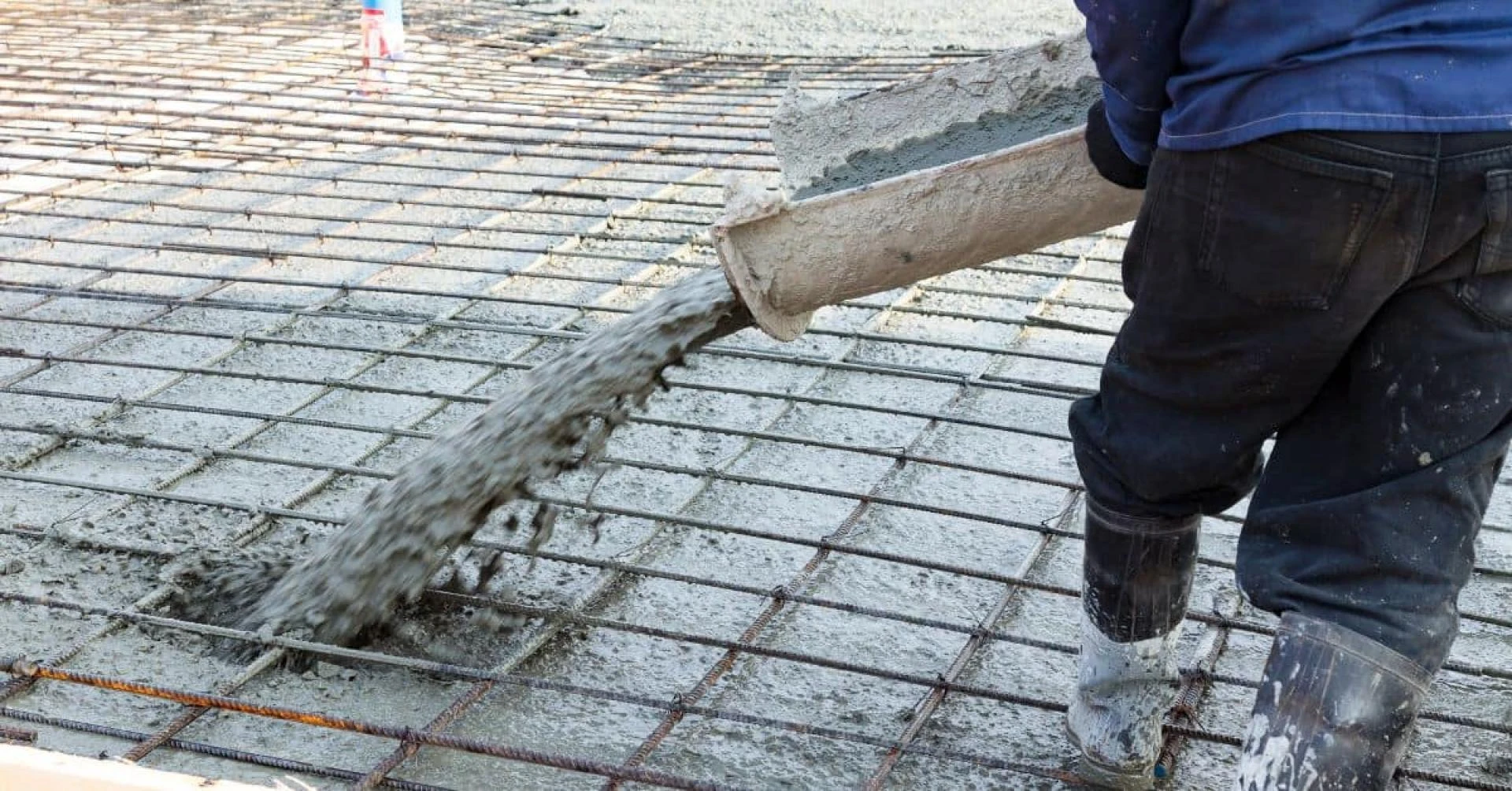
Concrete pouring may look simply, but the method changes a lot depending on where the work is done. Indoor and outdoor concrete jobs face very different conditions. Temperature, space, air flow, and surface use all affect how concrete is poured and finished. For long-lasting results, contractors must follow the right process for each location to make sure the concrete stays strong and smooth.
Controlled Conditions in Indoor Concrete Pouring
Indoor concrete jobs are done in closed spaces such as basements, garages, or factory floors. One big advantage of indoor work is better control over the environment. Wind, rain, and direct sunlight are not problems indoors.
Because of this, the concrete mix can be more precise. Workers can pour at a steady pace without rushing. Drying happens slowly and evenly, which helps prevent cracks. Many homeowners choose residential concrete services in Troy for indoor floors because careful pouring gives a smooth and level surface that lasts longer.
Indoor pouring also needs proper air flow. Even though weather is not an issue, fresh air is important for safe working and proper curing.
Outdoor Concrete Pouring Faces Weather Challenges
Outdoor concrete jobs include driveways, patios, sidewalks, and pathways. These areas are fully exposed to nature. Temperature changes, rain, wind, and sunlight all affect the pouring method.
Outdoor concrete must be poured quickly and at the right time of day. Too much heat can dry concrete too fast. Cold weather can slow down setting and weaken the surface. Contractors offering residential concrete services carefully check weather conditions before starting outdoor pours to avoid future damage.
Difference in Surface Preparation
Indoor surfaces are usually clean, flat, and protected. Floors often already have a base that supports the concrete. This makes preparation easier and more controlled.
Outdoor surfaces need more preparation. The ground must be dug, levelled, and compacted properly. Poor base preparation can lead to sinking or cracks later. This step is very important for outdoor durability and drainage.
Pouring Speed and Timing Matter
Indoor concrete pouring allows more time to work. Workers can adjust levels and finish details carefully. There is less pressure from changing conditions.
Outdoor concrete needs faster action. Workers must:
· Pour and spread quickly
· Finish the surface before weather changes
· Protect fresh concrete from rain or heat
Experienced teams from residential concrete services plan outdoor pours carefully to avoid surface damage.
Different Curing Methods Used
Curing is the process that helps concrete gain strength. Indoor concrete cures in a stable environment. Moisture stays longer, which helps proper strength development.
Outdoor concrete often needs extra care. Contractors may:
· Cover concrete with sheets
· Spray water to prevent drying
· Use curing compounds
These steps protect the surface from cracking and uneven drying.
Finishing Styles Vary by Location
Indoor concrete usually needs a smooth finish. Floors inside homes or buildings must be level and clean for walking or placing furniture.
Outdoor concrete needs textured finishes to prevent slipping. Brushed or patterned finishes are common for safety reasons. When choosing residential concrete services homeowners often discuss finish types based on whether the surface is inside or outside.
Equipment and Access Differences
Indoor jobs often have limited space. Smaller tools and careful movement are needed to avoid damage to walls and doors.
Outdoor jobs allow larger equipment like mixers and pumps. This helps speed up work but needs proper planning to avoid surface errors.
Strength Requirements Are Not the Same
Indoor concrete supports furniture, people, and light equipment. Outdoor concrete must handle vehicles, weather stress, and heavy loads.
Because of this, outdoor concrete mixes are often stronger and thicker. Contractors adjust the mix based on use and location.
Final Thoughts
Indoor and outdoor concrete jobs may use the same material, but the pouring methods are very different. Each location needs special planning, timing, and care. From surface preparation to curing and finishing, every step matters. Choosing skilled residential concrete services in Troy ensures that both indoor and outdoor concrete work stays strong, safe, and long-lasting for many years.