In today’s fast-paced e-commerce and logistics landscape, accuracy, efficiency, and automation are critical for businesses managing shipping operations. Postal errors, incorrect weight measurements, and manual data entry can lead to costly mistakes, delayed deliveries, and unhappy customers. This is where postal scales integrated with shipping software can make a significant difference.
By connecting physical weighing devices to digital systems, businesses can streamline operations, reduce errors, and save time and money.
What Are Postal Scales?
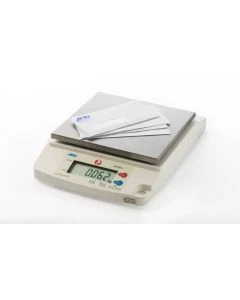
A postal scale is a weighing device designed specifically for measuring packages, envelopes, and parcels. These scales range from compact units suitable for small businesses to high-capacity scales for warehouses and logistics hubs.
Key features often include:
- Accurate weight measurement for shipping calculations
- Tare functionality to account for packaging
- Digital displays for quick readings
- Connectivity options such as USB, Bluetooth, or Wi-Fi
While a standalone postal scale can handle basic weighing tasks, its full potential is realised when integrated with shipping software.
How Postal Scales Integrate with Shipping Software
Modern shipping software, whether cloud-based or desktop applications, provides a central platform to manage shipments, generate labels, and track deliveries. Integration with postal scales ensures that weight data flows seamlessly into the system, eliminating the need for manual entry.
1. Real-Time Weight Transfer
Integration allows postal scales to send weight measurements directly to the shipping software in real time. This ensures:
- Accurate shipping costs based on actual weight
- Reduced risk of human error during manual data entry
- Faster label generation
For example, when a package is placed on the scale, the weight is instantly recorded in the shipping application. This speed and accuracy are particularly valuable for high-volume e-commerce operations.
2. Automated Label Printing
Some shipping software supports automatic label printing based on the weight captured by the scale. When the scale communicates the parcel weight to the system, the software can:
- Calculate postage costs
- Apply carrier-specific pricing rules
- Generate shipping labels with correct weight and service details
This integration reduces operational bottlenecks and streamlines the packaging and shipping workflow.
3. Multi-Carrier Compatibility
Integrated systems can support multiple carriers, such as Australia Post, DHL, FedEx, and StarTrack. With accurate weight data from postal scales, shipping software can:
- Compare rates across carriers
- Suggest the most cost-effective or fastest option
- Ensure compliance with carrier weight restrictions
Businesses no longer need to weigh packages manually for each carrier, saving time and reducing errors.
4. Inventory and Order Management
Postal scale integration often extends beyond shipping. Some software solutions connect weighing data to inventory management. Features include:
- Automatic stock updates when packages are weighed and shipped
- Weight-based order verification for bulk or variable-weight products
- Reporting for logistics and warehouse management
This creates a seamless link between physical operations and digital order processing, enhancing overall business efficiency.
Benefits of Integrating Postal Scales with Shipping Software
1. Increased Accuracy
Manual entry of package weights is prone to mistakes. Integrating postal scales ensures accurate weight recording, reducing the risk of:
- Overcharging or undercharging customers
- Shipping delays due to rejected parcels
- Carrier penalties for incorrect weight
2. Time Savings
By eliminating manual steps, businesses can process shipments faster. Automated weight transfer and label generation reduce bottlenecks, allowing staff to focus on packaging, inventory management, or customer service.
3. Cost Efficiency
Accurate weight data ensures correct postage costs, preventing overpayment to carriers. Additionally, faster processing and fewer errors lower labor costs and reduce the risk of costly shipping mistakes.
4. Enhanced Customer Experience
Reliable and timely shipping improves customer satisfaction. Integration ensures that:
- Parcels are shipped with the correct postage
- Delivery timelines are met
- Tracking information is accurate and up to date
Happy customers are more likely to return, boosting repeat business.
5. Compliance and Reporting
For businesses that must comply with carrier requirements or legal trade standards, integration provides a clear audit trail. Shipping software stores all weight and shipment records, enabling:
- Easy reporting for internal audits
- Proof of postage for customer disputes
- Compliance with Australian postal regulations
Implementation Considerations for Australian Businesses
1. Choosing the Right Postal Scale
When selecting a scale for integration, consider:
- Maximum weight capacity required for your shipments
- Accuracy and readability for small and large parcels
- Connectivity options compatible with your shipping software
Many Australian businesses prefer NMI-approved scales if using them for trade-related purposes, ensuring compliance with national measurement standards.
2. Selecting Compatible Shipping Software
Ensure your shipping software supports hardware integration. Features to look for include:
- Real-time weight capture
- Label automation
- Multi-carrier support
- API access for custom integration
Popular software options in Australia include Australia Post eParcel, ShipStation, and StarShip.
3. Training and Workflow Setup
Even with automation, staff should be trained to:
- Correctly place items on the scale
- Verify weight readings and software entries
- Troubleshoot common connectivity issues
A smooth workflow ensures maximum efficiency and minimal downtime.
4. Maintenance and Calibration
Postal scales require regular maintenance and calibration to maintain accuracy. Routine checks prevent discrepancies and ensure that weight data remains reliable over time.
Real-World Applications
E-Commerce Fulfillment Centres
High-volume e-commerce businesses benefit from postal scale integration by automating parcel processing, reducing handling time, and ensuring accurate postage.
Small Businesses and Retailers
Retailers can integrate smaller postal scales with desktop shipping software to streamline daily dispatches while maintaining cost efficiency.
Warehousing and Distribution
Distribution centres handling bulk shipments use integrated postal scales to verify pallet weights and individual package weights, enhancing logistics accuracy.
Specialized Shipping
For items where weight affects pricing—like food, supplements, or fragile goods—postal scale integration ensures correct billing and shipping cost allocation, protecting profit margins.
Conclusion
Integrating postal scales with shipping software transforms the shipping process from a manual, error-prone task into a seamless, efficient, and accurate operation. By connecting physical scales to digital systems, businesses can save time, reduce errors, cut costs, and improve the customer experience.
For Australian businesses of all sizes—from small e-commerce shops to large logistics centres—this integration is no longer a luxury; it’s a strategic necessity in a competitive market.
With the right combination of high-quality postal scales, compatible shipping software, and well-defined workflows, businesses can achieve streamlined operations, precise shipping, and happier customers—all while reducing operational stress and boosting profitability.