Every oil and gas well eventually reaches the end of its productive life. When a well is no longer economically viable or safe to operate, it must be permanently decommissioned to protect people, the environment, and underground resources. This process, known as Plug and Abandonment (P&A), is one of the most critical stages in the well life cycle.
Plug and Abandonment involves permanently sealing the wellbore with engineered barriers that prevent the migration of oil, gas, water, or other formation fluids between geological formations and to the surface. A properly executed P&A operation safeguards groundwater, minimizes environmental risks, and ensures long-term well integrity in accordance with regulatory requirements.
What Is Plug and Abandonment (P&A)?
Plug and Abandonment (P&A) is the process of permanently closing an oil or gas well after production has ceased or when continued operation is no longer technically or economically feasible. The primary objective of P&A is to establish permanent well barriers that isolate hydrocarbon-bearing formations and eliminate any potential pathways for fluid migration. These barriers are designed to maintain well integrity for decades after abandonment.
Wells are typically abandoned for several reasons, including:
- Declining oil or gas production
- Mechanical failures that are uneconomical to repair
- Completion of drilling or exploration programs
- Regulatory or lease obligations
- Safety and environmental considerations
- End-of-field or asset life
Proper Plug and Abandonment is essential for protecting the environment, preserving groundwater resources, and ensuring compliance with industry standards and government regulations.
How Does Plug and Abandonment Work?
Although every well presents unique challenges, the Plug and Abandonment process generally follows a structured sequence of engineering, well intervention, and verification activities.
1. Well Evaluation and Engineering Planning
The operation begins with a comprehensive assessment of the well's history and current condition. Engineers review available data, including:
- Well construction records
- Completion design
- Production history
- Reservoir and pressure data
- Previous workover reports
- Well integrity assessments
This evaluation helps determine:
- Existing wellbore conditions
- Potential pressure zones
- Required isolation barriers
- Suitable plugging materials
- Necessary intervention equipment
- Operational and safety requirements
A well-designed abandonment program minimizes operational risks while ensuring long-term barrier integrity.
2. Well Preparation and Removal of Existing Equipment
Before permanent barriers can be installed, production equipment is removed from the well. Depending on the completion design, this may include:
- Production tubing
- Artificial lift equipment
- Packers
- Downhole completion tools
- Surface production equipment
The wellbore is then cleaned to remove scale, debris, wax deposits, cement residue, or other obstructions that could interfere with proper barrier placement. A clean and stable wellbore is essential for achieving reliable cement bonding and long-term sealing performance.
3. Installation of Mechanical Barriers
Mechanical barriers provide the initial isolation within the wellbore and serve as a foundation for permanent sealing operations.
Commonly used downhole tools include:
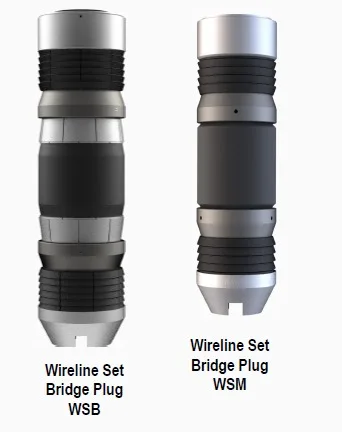
Bridge Plugs
Bridge plugs are mechanical isolation devices installed inside the casing or open hole to isolate specific intervals. They provide a secure base for cement placement and prevent fluid movement during abandonment operations.
Cement Retainers
Cement retainers are specialized tools that enable accurate placement of cement while preventing reverse flow. They help ensure that cement remains confined within the intended interval, resulting in more effective zonal isolation.
These mechanical barriers significantly improve the reliability and effectiveness of the overall Plug and Abandonment process.
4. Cement Plug Placement
Cement forms the primary permanent barrier in most Plug and Abandonment operations. Carefully engineered cement slurries are pumped into designated sections of the wellbore to create long-term hydraulic isolation.
Properly designed cement plugs are intended to:
- Prevent oil and gas migration
- Isolate hydrocarbon-bearing formations
- Protect groundwater aquifers
- Maintain long-term well integrity
- Resist pressure and temperature variations throughout the life of the abandoned well
Engineers carefully calculate cement properties, placement depth, plug length, and curing time to ensure durable and dependable barriers.
5. Verification and Final Well Closure
Following barrier installation, operators verify that all permanent plugs have been correctly placed and meet regulatory requirements.
Verification activities may include:
- Pressure testing
- Mechanical integrity testing
- Cement evaluation logging
- Barrier verification
- Regulatory inspections
Once all required barriers have been confirmed, remaining surface equipment is removed, the wellhead is permanently secured or removed, and the location is restored in accordance with environmental regulations and lease obligations.
Why Is Plug and Abandonment Important?
Plug and Abandonment is essential for ensuring the long-term safety and environmental sustainability of oil and gas operations.
A properly abandoned well prevents:
- Migration of hydrocarbons between geological formations
- Methane leakage to the atmosphere
- Groundwater contamination
- Surface safety hazards
- Loss of well integrity over time
By permanently isolating the well, operators reduce environmental liabilities while protecting surrounding communities and natural resources.
Common Challenges in Plug and Abandonment Operations
Despite careful planning, older wells often present technical challenges that require specialized engineering solutions.
Aging Well Infrastructure
Legacy wells may contain deteriorated casing, corroded tubing, incomplete documentation, or unknown well conditions, making abandonment more complex.
High-Pressure Zones
Pressure differences between formations must be carefully isolated to prevent crossflow or uncontrolled fluid migration during and after abandonment.
Complex Well Architectures
Modern wells frequently include horizontal sections, multilateral branches, extended-reach drilling, and advanced completion systems that require sophisticated abandonment techniques and specialized downhole tools.
How Technology Is Improving Plug and Abandonment
Advances in well intervention technology continue to improve the safety, efficiency, and reliability of Plug and Abandonment operations.
Key innovations include:
- Real-time well monitoring systems
- Improved cement formulations
- High-performance bridge plugs and cement retainers
- Advanced pressure evaluation techniques
- Digital well integrity analysis
- Data-driven abandonment planning
These technologies help operators reduce operational risks, improve barrier reliability, and comply with increasingly stringent environmental regulations.
Frequently Asked Questions
What is the primary objective of Plug and Abandonment?
The primary objective of Plug and Abandonment is to permanently isolate the well by installing engineered barriers that prevent the migration of oil, gas, water, or other formation fluids while protecting the environment and groundwater resources.
How long does a Plug and Abandonment operation take?
The duration depends on several factors, including well depth, complexity, completion design, accessibility, and required regulatory procedures. Simple wells may be abandoned within a few days, whereas complex offshore or high-pressure wells can require several weeks.
Why is cement used during well abandonment?
Cement provides a durable, long-lasting hydraulic barrier capable of isolating underground formations and preventing fluid migration. It remains the industry standard for creating permanent abandonment barriers.
What is the purpose of a bridge plug?
A bridge plug mechanically isolates sections of the wellbore, providing a secure foundation for cement placement and improving the effectiveness of permanent abandonment barriers.
Are abandoned oil and gas wells permanently sealed?
Yes. When Plug and Abandonment is performed according to industry standards and regulatory requirements, the installed barriers are designed to provide permanent isolation and maintain well integrity for the long term.
Conclusion
Plug and Abandonment is a vital component of responsible oil and gas field management. It ensures that wells reaching the end of their productive life are permanently secured while protecting people, groundwater resources, and the environment.
Through comprehensive engineering, careful planning, the use of specialized tools such as bridge plugs and cement retainers, and properly designed cement barriers, operators can safely decommission wells and minimize long-term environmental risks.
As industry regulations continue to evolve and environmental stewardship becomes increasingly important, effective Plug and Abandonment practices remain essential for ensuring the safe, sustainable, and responsible closure of oil and gas wells.