Cybersecurity threats have become more sophisticated than ever, and phishing attacks remain one of the most common ways hackers breach organizations. From fake emails disguised as legitimate communication to cloned websites that steal login credentials, phishing continues to exploit one key vulnerability—human error. That’s where Phishing Attack Simulation programs come in. They act as a proactive defense strategy to train employees, identify vulnerabilities, and build a culture of cybersecurity awareness across your organization.
Understanding Phishing Attacks
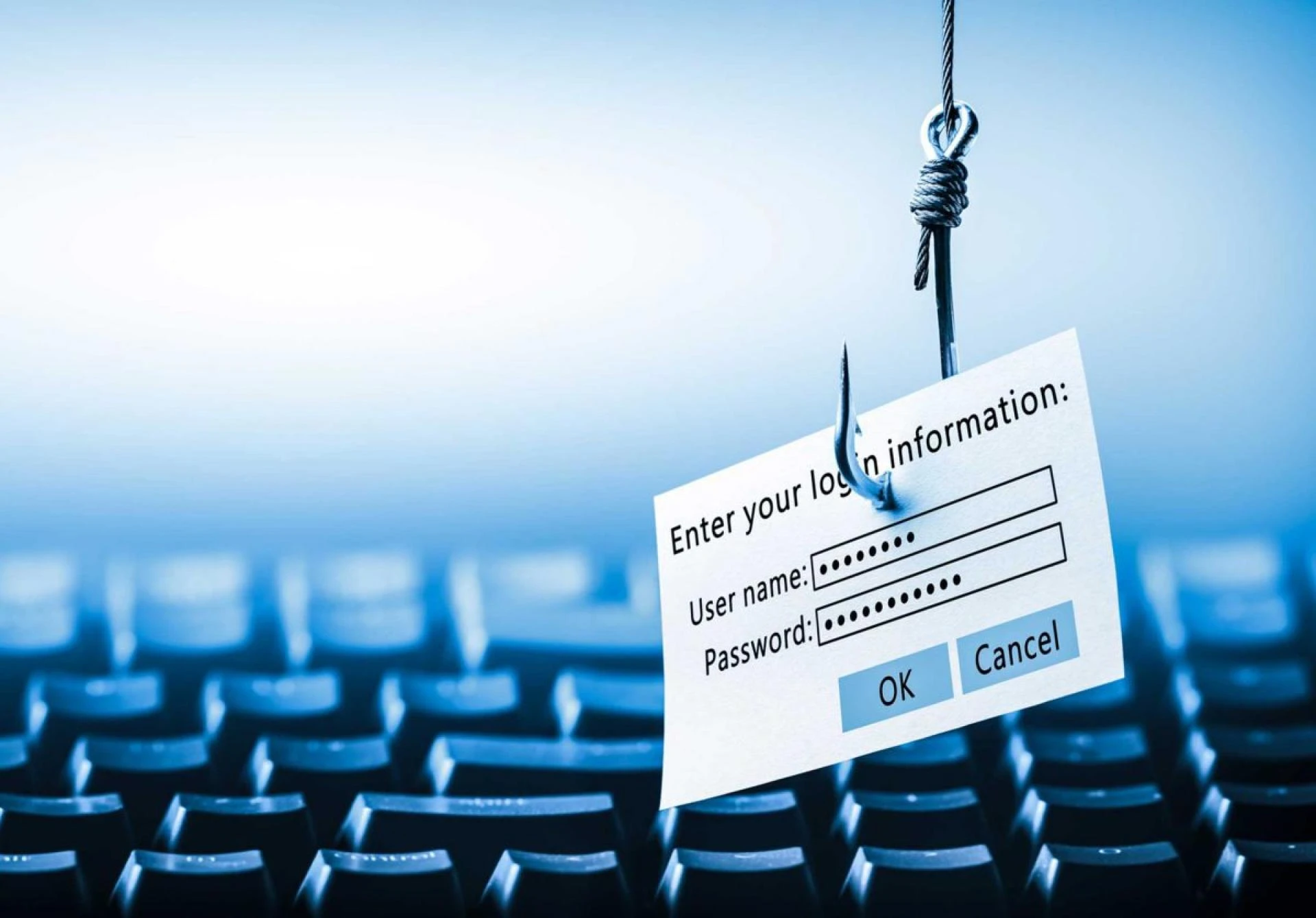
A phishing attack occurs when attackers disguise themselves as trusted sources and trick users into revealing sensitive information such as passwords, banking details, or business data. These attacks often come through emails, social media, or text messages that appear genuine but contain malicious links or attachments. Once a user clicks on a phishing link, it can open the door to ransomware, data breaches, or identity theft.
What makes phishing dangerous is its psychological nature. Attackers exploit curiosity, urgency, or fear to make recipients act impulsively. Clicking on a “Verify Your Account” or “Payment Failed” link without checking its authenticity can compromise an entire network. Even with modern firewalls and antivirus systems, one careless click by an uninformed employee can put the whole organization at risk.
Why Phishing Attack Simulation Matters
A Phishing Attack Simulation is a controlled, safe, and practical exercise designed to test how employees respond to phishing attempts without causing any harm. It helps organizations assess how well-prepared their workforce is to detect suspicious communication. During such a simulation, employees receive realistic fake phishing emails crafted to mimic actual attacks, testing their ability to recognize and report malicious messages.
This approach does more than just identify who clicks on phishing links. It measures awareness, reveals vulnerabilities, and lays the foundation for targeted security training. When employees experience firsthand how tricky phishing messages can be, they become more cautious and vigilant in real scenarios.
Building a Culture of Cybersecurity Awareness
One of the biggest advantages of running Phishing Attack Simulations is that it encourages an ongoing culture of cybersecurity awareness. When employees regularly participate in simulations, they start viewing every email, message, or link with a security-first mindset. Over time, this habit reduces risky behavior and strengthens the organization’s overall security posture.
Awareness campaigns paired with simulations can transform employees from potential vulnerabilities into active defenders of company data. They learn to identify email red flags such as misspelled domains, suspicious attachments, or urgent requests for confidential information. This shift in mindset is crucial because even the best security technologies cannot compensate for human mistakes.
Realistic Training Builds Real Confidence
Traditional cybersecurity training sessions often rely on presentations or checklists that fail to engage employees meaningfully. In contrast, a Phishing Attack Simulation delivers hands-on exposure. By experiencing realistic examples, employees develop an instinctive ability to pause before clicking on suspicious links or downloading unverified files.
This kind of experiential learning strengthens retention. Instead of memorizing theoretical tips, employees remember the consequences of interacting with a simulated phishing email. Over time, these lessons become second nature, significantly reducing the chances of successful phishing attacks.
Identifying Weak Links and Skill Gaps
No team is perfect when it comes to cybersecurity awareness. A Phishing Attack Simulation helps identify which departments or individuals are more susceptible to fall for phishing attempts. Understanding these weak spots allows IT and security teams to design targeted training sessions that focus on actual problem areas.
For example, if employees in the finance department frequently click on simulation links related to payment requests, they can receive specialized training on how to verify invoices, check sender authenticity, and report suspicious correspondence. This personalized approach ensures that awareness training is purposeful and data-driven rather than generic.
Measuring Progress with Data
Regular simulations provide measurable data that help track improvement over time. Metrics such as the percentage of employees who clicked on a phishing link, reported an email, or ignored it entirely offer valuable insight into organizational preparedness. By comparing results across different simulation cycles, companies can evaluate whether their awareness programs are effective or need refinement.
Security leaders can use these insights to showcase progress to management and justify further investments in cybersecurity awareness initiatives. Over time, the data from repeated Phishing Attack Simulations serves as evidence of tangible improvements in human defense mechanisms.
Reducing Response Time to Real Threats
Phishing Attack Simulations also prepare employees to act quickly during actual attacks. When they know how to identify malicious content, they can immediately report phishing attempts to the IT team for further analysis. Fast reporting helps security teams contain potential threats before they escalate.
Well-trained employees also help reduce downtime and data compromise during incidents. The earlier an attack is detected, the easier it becomes to prevent system-wide damage. Simulations thus act as a preventive shield that limits the impact of real-world phishing attempts.
Enhancing Compliance and Risk Management
Many industries require organizations to comply with data protection and cybersecurity standards. Regular Phishing Attack Simulations not only improve employee readiness but also demonstrate compliance with these mandates. For businesses handling sensitive customer information, simulation programs highlight a proactive commitment to security best practices.
By integrating these simulations into your cybersecurity strategy, you minimize business risks associated with data breaches, financial losses, and reputational damage. This proactive approach helps build trust among clients, partners, and stakeholders who value a company’s dedication to data security.
Creating Engaging Learning Experiences
Security awareness doesn’t have to be dull. Organizations can make Phishing Attack Simulations engaging by gamifying the experience. Techniques such as leaderboards, badges, and recognition programs motivate employees to actively participate and improve their phishing detection scores. When employees see cybersecurity as a collective responsibility rather than a mandatory task, they become more involved in maintaining safety across digital channels.
Story-driven simulations, creative scenarios, and interactive feedback systems can make the training process enjoyable. After each simulation, providing immediate feedback on what employees missed or did right reinforces learning outcomes effectively.
Empowering Every Employee to be a Cyber Sentinel
Every employee, regardless of department or seniority, plays a role in defending the organization’s digital assets. Phishing Attack Simulations empower individuals with knowledge and awareness that extend beyond office boundaries. Whether on business emails, personal accounts, or mobile devices, the ability to identify phishing red flags keeps both the company and employees safer.
This empowerment also builds confidence among employees. They no longer feel anxious about making mistakes but become proactive participants in protecting their work environment from cybercriminals.
Continuous Improvement Through Regular Simulations
Cyber threats evolve constantly, and so should employee preparedness. Running a single simulation is not enough. Organizations should schedule multiple simulation rounds with different themes and difficulty levels throughout the year. Regular practice ensures familiarity with new phishing tactics, keeping employees alert and adaptable as attackers change their methods.
Each simulation becomes an opportunity to learn, improve, and strengthen collective resilience. Over time, such consistent reinforcement transforms cybersecurity from a one-time training session into an ingrained habit within the company culture.
Conclusion
Phishing Attack Simulations are more than just an IT exercise—they are a strategic investment in human intelligence and organizational resilience. By recreating real-world phishing scenarios in a controlled environment, these simulations prepare employees to spot and stop genuine cyber threats before they cause damage. They promote awareness, build habits, and foster accountability at every level of the organization.
When employees are equipped to recognize and respond to phishing attacks effectively, the company’s first line of defense becomes its people. In a world where digital threats are constantly evolving, that awareness is the strongest shield any organization can have.