
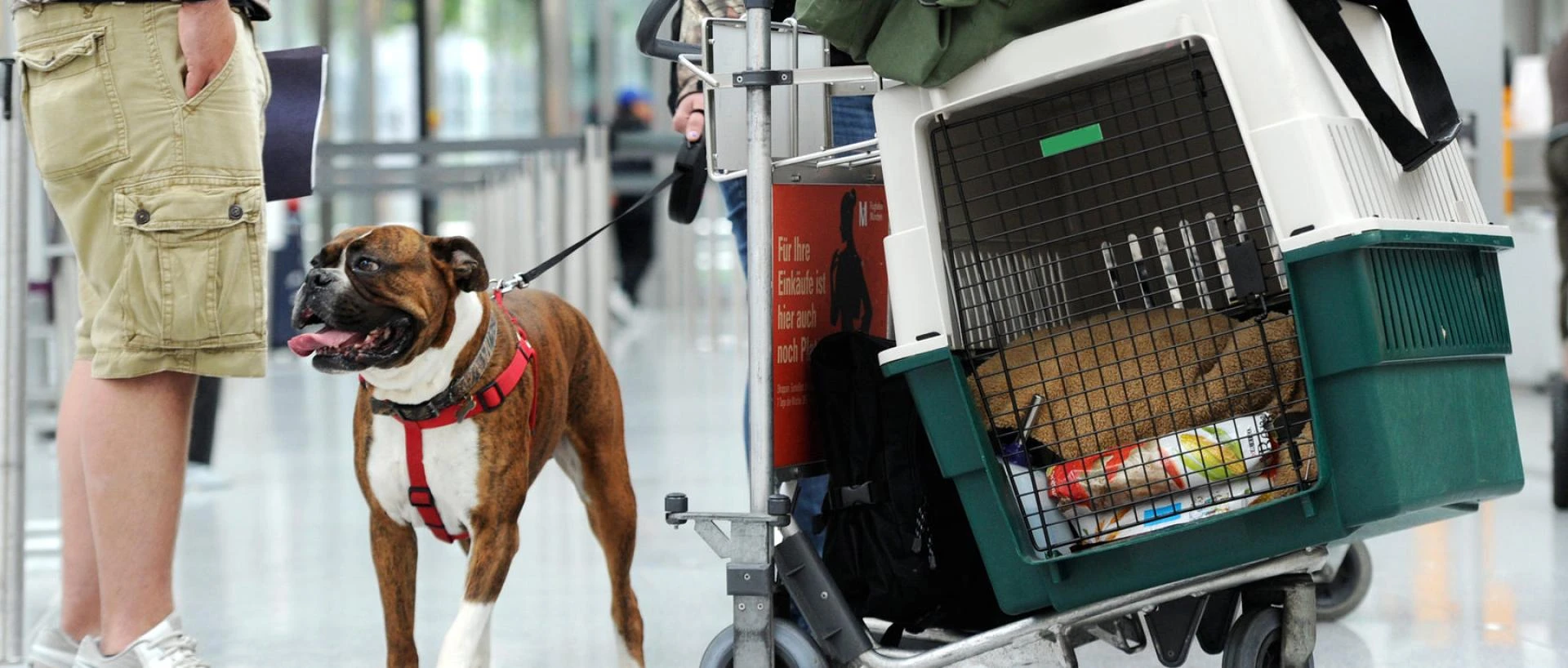
Moving from one place to another can be stressful for anyone, and animals are no exception. Whether it’s a short ride to the veterinarian or a cross-country relocation, the way pets are transported plays a major role in their comfort and overall well-being. Over the past decade, professional pet transport has evolved significantly, with a stronger focus on animal welfare, safety standards, and stress reduction techniques.
Pet owners today are far more aware of how travel can affect their dogs, cats, birds, and even exotic animals. As a result, specialized transportation solutions have emerged to ensure animals remain calm, secure, and physically comfortable throughout the journey. Understanding how modern pet transportation works can help owners make informed decisions that prioritize their animal’s health and happiness.
Understanding Animal Stress During Travel
Animals experience travel differently than humans. Dogs and cats rely heavily on routine and familiar environments. When that routine is disrupted, stress hormones like cortisol increase, potentially leading to anxiety, motion sickness, or behavioral changes.
Short trips to facilities such as the American Veterinary Medical Association emphasize minimizing travel-related stress because it directly impacts physical health. Rapid breathing, excessive panting, drooling, and vocalization are common signs that an animal is uncomfortable during transport.
Professional pet transportation providers understand these stress signals. They design travel environments that replicate familiarity as much as possible. From climate control systems to quiet cabins and appropriate crate sizing, each detail is tailored to reduce anxiety triggers.
The Role of Proper Crating in Animal Comfort
One of the most important elements in comfortable pet transport is proper crating. A well-sized crate acts as a secure den, giving animals a sense of protection. It should allow the pet to stand, turn around, and lie down naturally without feeling confined.
Transport guidelines established by organizations such as the International Air Transport Association provide clear standards for crate dimensions and ventilation, especially for air travel. These guidelines are widely followed not only by airlines but also by ground transport specialists.
Ventilation, absorbent bedding, and non-slip flooring inside the crate contribute significantly to comfort. For long-distance journeys, hydration systems are often attached to ensure consistent access to water. This careful preparation prevents overheating, dehydration, and unnecessary discomfort.
Climate Control and Environmental Management
Temperature regulation is critical when transporting animals. Unlike humans, pets cannot easily adjust to extreme temperature changes. Dogs and cats are particularly vulnerable to heat stress, while smaller animals may be sensitive to cold drafts.
Modern pet transportation vehicles are equipped with advanced climate control systems. These systems maintain stable temperatures regardless of outdoor weather conditions. Proper airflow also reduces the risk of respiratory distress, especially for brachycephalic breeds such as Bulldogs and Persian cats.
Humidity levels, air circulation, and noise reduction all play roles in maintaining a calm travel environment. Professional handlers monitor these conditions closely throughout the journey, making real-time adjustments if needed.
Professional Handling and Animal Behavior Expertise
Beyond equipment and logistics, human expertise makes a tremendous difference in animal comfort. Experienced handlers are trained in animal behavior and understand how to approach nervous pets without escalating fear.
Certified professionals often align their practices with recommendations from animal welfare organizations like the American Society for the Prevention of Cruelty to Animals. Gentle handling techniques, minimal restraint, and calm verbal communication are essential strategies used during loading and unloading.
Handlers also schedule rest stops strategically during long trips. These breaks allow dogs to relieve themselves, stretch, and hydrate. Structured pauses prevent stiffness, anxiety buildup, and digestive issues that can arise during extended travel periods.
Reducing Anxiety Through Familiarity and Routine
Animals feel safest when surrounded by familiar scents and objects. Transport providers frequently encourage owners to include a favorite blanket or toy inside the crate. These familiar items carry the pet’s scent and create a sense of home within a new environment.
Feeding schedules are another important factor. Abrupt dietary changes or feeding immediately before departure can increase the risk of motion sickness. Many transport professionals recommend maintaining regular meal routines while adjusting portion timing slightly to accommodate travel schedules.
Calming aids may also be considered when recommended by a licensed veterinarian. However, sedation is rarely encouraged unless medically necessary, as it can interfere with an animal’s natural ability to regulate body temperature and balance.
Safety Measures That Protect Physical Well-Being
Comfort and safety go hand in hand. A smooth, secure journey ensures animals are not physically jolted or injured during transit. Vehicles designed specifically for animal transport often include secure crate anchoring systems that prevent movement during sudden stops or turns.
Advanced route planning reduces travel time and avoids heavy traffic congestion whenever possible. Fewer delays mean less time confined and lower stress levels for the pet. Some providers also use GPS tracking systems, offering owners peace of mind while ensuring precise coordination throughout the trip.
Air travel introduces additional considerations, particularly regarding cargo hold conditions. Airlines regulated under authorities such as the Federal Aviation Administration must follow strict safety standards. When executed correctly, these protocols ensure animals travel in pressurized, temperature-controlled compartments designed for live cargo.
Specialized Transportation for Different Species
Not all pets have the same needs. Dogs, cats, birds, reptiles, and small mammals require species-specific handling methods. Birds, for instance, are highly sensitive to air pressure changes and loud noise. Reptiles need carefully controlled temperature ranges to maintain metabolic stability.
Specialized transport services customize environments based on species requirements. They may use insulated carriers for temperature-sensitive animals or vibration-minimizing equipment for species prone to stress reactions.
In urban areas, pet taxi services have become increasingly popular for routine transportation to grooming appointments, boarding facilities, and veterinary clinics. While convenient, these services must still prioritize ventilation, crate security, and handler experience to maintain animal comfort.
Long-Distance Relocation and International Moves
Relocating pets internationally involves more than just transportation logistics. Health certificates, vaccination records, and quarantine regulations must be carefully managed. Countries may require documentation aligned with standards set by the United States Department of Agriculture for exported animals.
Professional transport coordinators assist with compliance, ensuring that pets are not delayed unnecessarily. Prolonged waiting times in unfamiliar environments can significantly increase stress levels. By streamlining paperwork and coordinating flight schedules efficiently, transport experts reduce the overall strain on animals.
For long-haul journeys, comfort measures include mid-trip wellness checks, hydration monitoring, and direct supervision during transfers. These added layers of oversight make a noticeable difference in maintaining both physical and emotional stability.
The Emotional Impact of Comfortable Travel
Animals are highly intuitive and responsive to their environment. A calm, well-managed transportation experience helps preserve trust between pets and their owners. When pets arrive at their destination without signs of trauma or exhaustion, the transition into a new home or routine becomes significantly smoother.
Comfortable transportation also reduces post-travel behavioral issues. Pets that experience high levels of stress during travel may display withdrawal, aggression, or appetite loss afterward. Minimizing stress during transit prevents these lingering effects.
Owners who choose professional, welfare-focused transport solutions are ultimately investing in their pet’s long-term health. Reduced anxiety during travel supports stronger immune function and faster adjustment to new surroundings.
Choosing the Right Pet Transportation Provider
Selecting a reliable transportation provider requires careful research. Look for companies with documented animal handling certifications, climate-controlled vehicles, transparent communication processes, and positive client testimonials.
Ask detailed questions about travel routes, emergency protocols, rest stops, and supervision procedures. A reputable provider will be open about their safety measures and compliance with industry regulations.
Comfort during pet transportation is not accidental. It is the result of structured planning, behavioral knowledge, specialized equipment, and compassionate care. When all these elements work together, animals can travel safely and with minimal stress, whether across town or across continents.
In today’s evolving pet care landscape, transportation is no longer just about moving animals from point A to point B. It is about ensuring that every mile traveled supports their well-being, comfort, and emotional security.