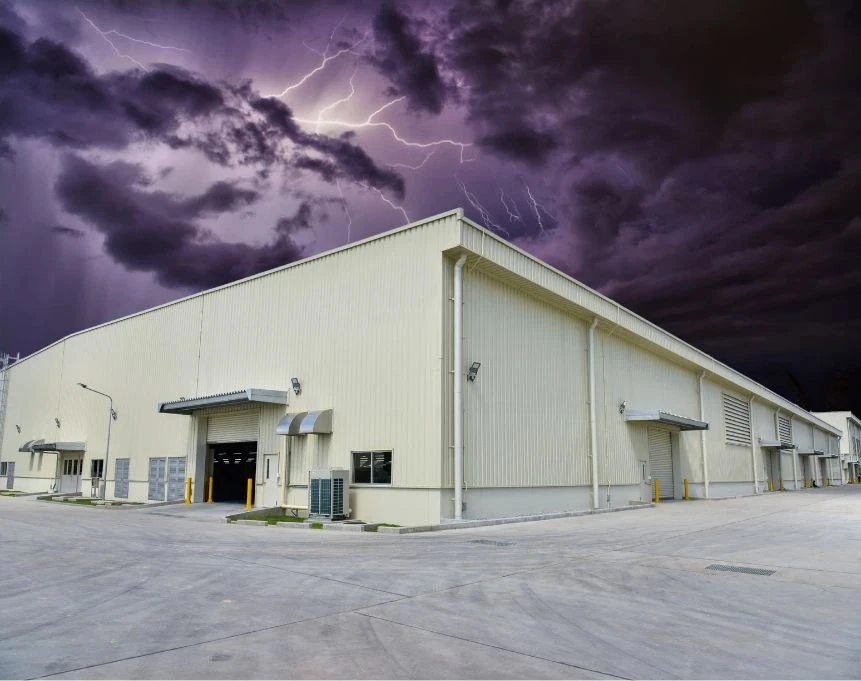
In today’s fast-paced industrial world, time and money are two resources businesses cannot afford to waste. Whether you're setting up a factory, warehouse, or an industrial shed, traditional construction methods can be slow, expensive, and riddled with inefficiencies. This is where Pre-Engineered Buildings (PEBs) come in, offering a game-changing alternative to conventional construction.
PEBs are designed to be cost-effective, durable, and quick to install, making them the go-to solution for industries looking to expand rapidly without breaking the bank. At Metal Tree, a trusted PEB manufacturer in India, we have witnessed firsthand how businesses save time and money by switching to Pre-Engineered Buildings.
But how exactly do PEBs reduce construction time and costs? Let’s break it down.
1. Faster Construction Time: The Power of Prefabrication
One of the biggest advantages of Pre-Engineered Buildings is speed. Traditional construction involves bricklaying, on-site welding, and a series of sequential processes that take months, sometimes even years, to complete.
PEBs, on the other hand, are manufactured in a controlled factory environment, where precision engineering ensures that every component is ready for quick assembly at the construction site. Think of it as a giant Meccano set—just bolt and fit the pieces together!
How This Saves Time:
- No on-site fabrication – Every component is pre-cut, pre-drilled, and pre-welded before reaching the site.
- Parallel processing – While site preparation is underway, PEB components are being manufactured simultaneously.
- Quick assembly – With pre-fabricated parts, buildings can be erected 50-60% faster than traditional structures.
Example: A conventional warehouse may take 8-12 months to complete, while a PEB warehouse can be erected in just 8-10 weeks! Imagine the operational benefits of getting your business running months ahead of schedule.
2. Lower Labor Costs: Less Time, Fewer Workers
Labor costs can skyrocket in traditional construction due to extended project timelines, weather delays, and inefficiencies. Since PEBs require significantly less on-site labor, companies save both time and money.
How PEBs Cut Labor Costs:
- Reduced workforce – Since most components arrive ready to assemble, fewer workers are needed.
- Less dependency on skilled labor – Unlike traditional buildings that require masons, welders, and carpenters, PEBs need only a small team of technicians to assemble the structure.
- Minimal rework – Traditional buildings often have errors that require correction, adding to labor costs. With PEBs, precision engineering minimizes mistakes, reducing expensive modifications.
By cutting on-site labor needs by up to 50%, PEBs offer substantial savings on manpower.
3. Reduced Material Wastage: Smart Engineering = Less Waste
Construction sites are infamous for material wastage—excess concrete, broken bricks, unused steel rods. All of this translates to higher costs.
With Pre-Engineered Buildings, materials are fabricated with exact precision, reducing wastage to a minimum.
Why PEBs Reduce Waste:
- Precision manufacturing – Every steel beam, panel, and bolt is cut to exact measurements in the factory.
- No excess inventory – Traditional construction often involves overordering materials "just in case". With PEBs, you get exactly what you need.
- Steel is recyclable – Even in rare cases of excess material, steel can be reused or recycled, making it an eco-friendly choice.
Less waste means lower material costs and a more sustainable approach to construction.
4. Lightweight Structures = Lower Foundation Costs
A PEB structure is much lighter than traditional concrete buildings, which means it requires less foundation work. Since foundations contribute significantly to overall construction costs, this is a major advantage.
How This Saves Money:
- Less excavation – Lighter structures require shallower foundations, cutting down on excavation costs.
- Faster foundation work – Since PEBs distribute weight more evenly, foundation requirements are simplified, reducing both material and labor costs.
For industrial projects built on unstable or marshy land, this benefit is even greater—less reinforcement, fewer materials, and lower overall costs.
5. Energy Efficiency = Lower Operational Costs
Saving money doesn’t stop after construction—PEBs continue to reduce costs for years. How? Through energy-efficient designs that lower cooling, heating, and maintenance expenses.
Why PEBs Are More Energy-Efficient:
- Better insulation – PEBs can incorporate high-quality insulation panels, reducing the need for air conditioning.
- Reflective roofing – Many PEBs use cool roofing materials that reflect heat, keeping interiors cooler.
- Ventilation and natural lighting – Pre-engineered designs optimize airflow and sunlight, cutting down electricity bills.
For industries running 24/7 operations, these energy savings add up significantly over time.
6. Low Maintenance = Long-Term Cost Savings
Traditional buildings, especially concrete and wood structures, require frequent maintenance—cracks need repairs, wood attracts termites, and leaks develop over time.
PEBs, made of high-quality steel, require minimal upkeep.
How PEBs Save on Maintenance Costs:
- Rust-resistant coatings – Protects steel from corrosion.
- No risk of termites or pests – Unlike wooden structures, PEBs are immune to infestations.
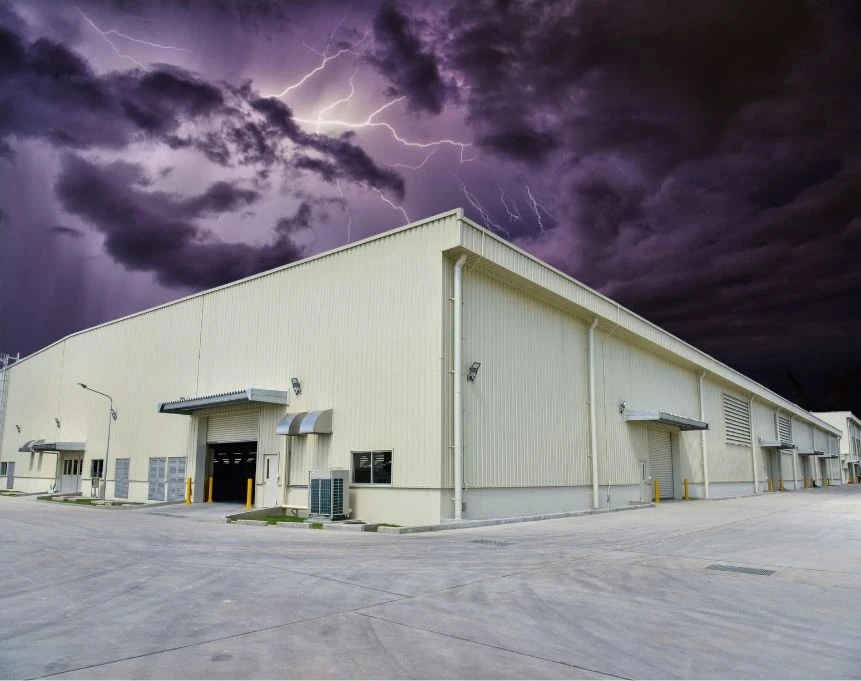
- Weather-resistant – Engineered to withstand high winds, earthquakes, and heavy snowfall, reducing the risk of structural damage.
With lower maintenance needs, businesses save thousands in repair costs over the years.
7. Scalability: Expand Without Major Costs
In business, growth is inevitable. But expanding traditional buildings is costly, time-consuming, and disruptive.
PEBs are modular and scalable, allowing businesses to expand seamlessly without major structural changes.
How This Saves Time & Money:
- Easier modifications – Need to add another wing or an extra floor? PEBs allow quick expansion without demolishing existing structures.
- Portable structures – Some PEBs can be disassembled and relocated, making them a flexible solution for growing businesses.
- Future-proofing – With pre-engineered designs, businesses can plan for expansion in advance, reducing unexpected costs later.
For businesses anticipating future growth, PEBs offer a stress-free and cost-effective way to scale.
8. Reduced Insurance Costs
Here's something many businesses don’t consider—insurance costs. Since PEBs are fire-resistant, earthquake-proof, and require less maintenance, insurance companies often offer lower premiums.
Lower risk = Lower insurance costs = More long-term savings.
Final Thoughts: The Smart Choice for Industrial Construction
PEBs are not just about cutting costs and saving time—they're about building smarter. From faster project completion to lower labor costs, minimal maintenance, and energy efficiency, Pre-Engineered Buildings offer an unbeatable combination of benefits for industrial construction.
At Metal Tree, we specialize in customized PEB solutions that cater to diverse industrial needs across India. Whether you need a factory, warehouse, or an industrial shed, we ensure high-quality construction that’s fast, cost-effective, and built to last.
Thinking of switching to PEBs?
Get in touch with Metal Tree today and let’s build something extraordinary—on time and within budget.