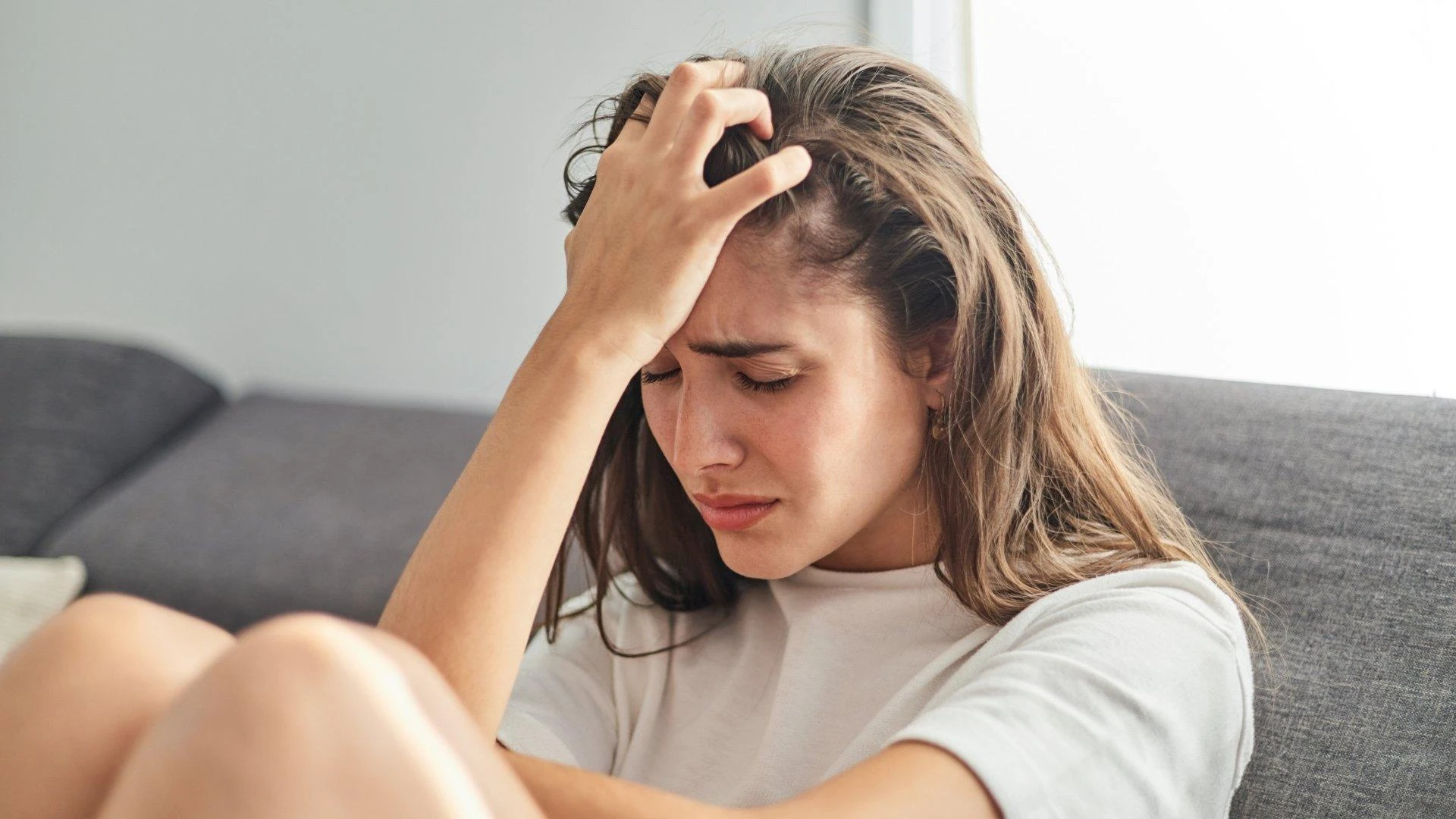
Panic attacks are sudden episodes of intense fear or discomfort that are accompanied by physical and psychological symptoms. They can last from a few minutes to an hour and can have a significant impact on a person's daily life. These episodes often feel uncontrollable, leading to feelings of helplessness and increased stress. Let's look at how panic attacks affect different aspects of a person's life.
Physical impact
The physical manifestations of panic attacks can be so intense that they are often taken as a sign of a serious illness, such as a heart attack. Symptoms include rapid heartbeat, sweating, tremors, shortness of breath, dizziness, nausea, and a feeling of suffocation. These conditions can frighten a person and cause them to avoid situations that they associate with the onset of an attack.
Repeated panic attacks can lead to chronic fatigue and a weakened immune system. Constant tension due to the anticipation of new episodes often exhausts the body. Some people start abusing depressants or stimulants like alcohol or caffeine, which makes the problem worse.
Emotional impact
On an emotional level, panic attacks cause feelings of fear, shame, and isolation. Often a person avoids talking about their experiences for fear of not being understood or judged. This increases internal fear and creates a vicious circle where fear of another attack becomes the reason for its occurrence.
Panic attacks also often lead to the development of more serious mental illnesses such as depression or generalized anxiety disorder. The inability to control attacks can sometimes lead to a sense of loss of control over life, destroy self-esteem, and worsen general emotional well-being.
Social consequences
The social life of people suffering from panic attacks is often at risk. The fear of being in a situation where a seizure might occur leads to avoiding public places such as shops, offices, or transport. This phenomenon is known as agoraphobia - the fear of open spaces or situations from which it is difficult to escape.
Limiting social activities not only isolates a person from society but also complicates their career. Missing work due to panic attacks, reduced productivity and difficulty communicating with the team can lead to professional stagnation or even dismissal.
Impact on personal relationships
Panic attacks also affect personal relationships. Partners, friends, and family members may not understand how to help a person suffering from panic attacks. In some cases, relatives begin to avoid the interaction because they believe that their presence can make the situation worse.
In addition, the increased irritability and anxiety common in people who have panic attacks can lead to conflict and strain in relationships. This makes it difficult to form healthy and supportive connections with others.
Financial aspects
Your financial situation may also suffer. The costs of medical examinations, consultations with psychologists and psychotherapists, medications, and alternative treatment methods can be significant. Often, people who suffer from panic attacks lose a stable source of income because they are unable to fulfill their job responsibilities.
How to deal with panic attacks?
There are many strategies that can help reduce the impact of panic attacks on your life. One of the most effective methods is cognitive behavioral therapy (CBT), which helps identify and change the negative thoughts that trigger attacks.
Regular physical activity and meditation can also help reduce stress and improve your overall mental health. Lifestyle changes, including eating a balanced diet and avoiding bad habits, can reduce the frequency of attacks. It is important to note that seeking professional therapy for panic attacks in time can prevent the condition from worsening. Support from relatives also plays a central role in the recovery process.
The bottom line
Panic attacks have a serious impact on a person's life, affecting their physical health, emotional state, social relationships, and professional activities. But with the right approach and support, it is possible to minimize their impact. It is important to remember that it is possible and necessary to manage panic attacks and that there are many effective tools and methods for this.
Living with panic attacks takes time and effort to recover from, but it remains fulfilling and worthwhile.